
Trade Court Blocks Trump's 10% Global Tariff Plan

US Court of International Trade rules against Trump's across-the-board tariffs, siding with small business challengers in landmark decision.
The US Court of International Trade has delivered a significant blow to the Trump administration's aggressive trade policy agenda by rejecting the implementation of 10% global tariffs that were set to apply uniformly across all international commerce. The court determined on Thursday that the broad-based tariff approach lacked sufficient legal justification under the Trade Expansion Act of 1962, a foundational piece of legislation that has governed American trade policy for decades. This ruling represents a crucial victory for small business advocates who have persistently challenged the tariff scheme since its announcement.
The court's decision came in a 2-1 ruling that favored the small business plaintiffs who filed the challenge against the tariffs that officially took effect on February 24th of this year. The majority opinion found that the across-the-board tariff implementation exceeded the scope of presidential authority under the Trade Expansion Act, which requires specific findings about the impact on national security before such broad trade measures can be imposed. This legal framework has been the subject of intense debate as the administration sought to expand executive powers in trade matters.
One of the three judges issued a dissenting opinion, arguing that granting victory to the small business plaintiffs was premature at this stage of the legal proceedings. This judge's perspective suggested that the case warranted further consideration before making a final determination on the validity of the tariffs. The dissent highlights the complexity and contentious nature of the legal arguments surrounding the government's tariff authority under existing trade legislation.
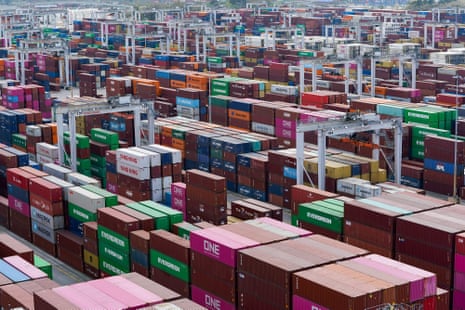
In response to the court's decision, Trump signaled that he intends to shift his approach to trade negotiations with key economic partners, particularly the European Union. The president announced that he is prepared to give the EU until July 4th to demonstrate progress in implementing trade deal commitments that have been under negotiation. If European officials fail to meet this deadline and show concrete progress toward resolving trade disputes, Trump indicated that tariff levels would be escalated to what he characterized as "much higher levels," substantially exceeding the 10% rate that the court just struck down.
This strategic pivoting reflects a broader pattern in Trump's trade policy approach, which has frequently relied on the threat of escalating tariffs as a negotiating tool with trading partners. The administration views tariffs not merely as economic policy instruments but as leverage in broader geopolitical negotiations. By establishing specific timelines and threat escalation pathways, the White House has attempted to create pressure on foreign governments to accept American trade demands.
The small business community that mounted the legal challenge has expressed cautious optimism about the court's ruling, though many business leaders remain concerned about the broader trade environment. Small businesses have been particularly vulnerable to tariff regimes because they typically have less ability to absorb increased costs or relocate production to alternative countries compared to large multinational corporations. The tariff debate has divided the business community, with different sectors and company sizes holding divergent views on trade policy.
Legal analysts have characterized this ruling as a significant constraint on executive power in trade matters, establishing important precedent for how future tariff proposals will be evaluated by the courts. The decision suggests that the judiciary will require more substantive legal justification before accepting broad tariff applications that could affect the entire spectrum of American trade relationships. This represents a potential counterweight to presidential authority that has expanded considerably in recent years through various executive actions.
The Trade Expansion Act of 1962 has become the focal point of intense legal and political scrutiny, with various administrations and legal scholars debating its scope and proper interpretation. The statute originally granted presidents broad authority to impose tariffs when deemed necessary for national security, but the courts have increasingly questioned the expansive application of this provision. This case adds another important data point to the evolving jurisprudence surrounding presidential trade powers.
The EU's response to Trump's ultimatum will likely shape the trajectory of US-European trade relations for the remainder of the year and potentially beyond. European officials have indicated their willingness to negotiate in good faith, but they have also expressed skepticism about the feasibility of meeting aggressive timelines while making substantive changes to long-standing trade arrangements. The July 4th deadline creates a compressed negotiating window that will test both the commitment and flexibility of all parties involved.
Economic analysts have raised concerns about the broader implications of the tariff uncertainty for global markets and supply chains that depend on predictable trade conditions. The combination of the court ruling striking down existing tariffs while simultaneously threatening higher future tariffs creates a complex landscape that businesses must navigate. This uncertainty has already begun to influence investment decisions and corporate planning across multiple sectors of the American economy.
The case will likely continue through the appellate process, with the administration potentially seeking to challenge the lower court's decision through higher judicial authorities. The Supreme Court could ultimately be called upon to weigh in on the scope of presidential trade authority, potentially settling fundamental constitutional questions about the separation of powers in trade policy. Such a scenario would represent one of the most significant judicial decisions on trade law in modern American legal history.
Congressional leaders from both parties have begun weighing in on the court's decision and the broader trade policy debate. While some lawmakers have expressed support for the court's constraint on executive power, others argue that the president requires flexibility to respond to what they view as unfair trading practices by foreign nations. This partisan divide reflects deeper disagreements about the appropriate role of tariffs in modern American economic strategy and international relations.
The implications of this trade court ruling will reverberate through the business community, with companies now able to plan with somewhat greater certainty about tariff rates, at least temporarily. However, the threat of escalating tariffs pending the EU negotiations means that significant uncertainty remains. Business groups have called for a more predictable and transparent approach to trade policy that provides clearer guidelines for long-term planning and investment.
Source: The Guardian


