
Tracing the Origins of Life: Groundbreaking Fossil Discoveries Reveal Complex Animal Groups Before the Cambrian

Newly uncovered fossil deposits in China provide unprecedented insights into the transition from the Ediacaran to the Cambrian, challenging our understanding of the origins of animal life.
Unraveling the Mysteries of Prehistoric Life - The details of how animal life began have long been shrouded in uncertainty. While the Cambrian period witnessed a rapid diversification of familiar forms, along with the emergence of bizarre creatures, there have been hints that some modern animal groups may have predated this pivotal era. However, the organisms found in Ediacaran deposits have often appeared to have no clear relationship to anything we recognize today. 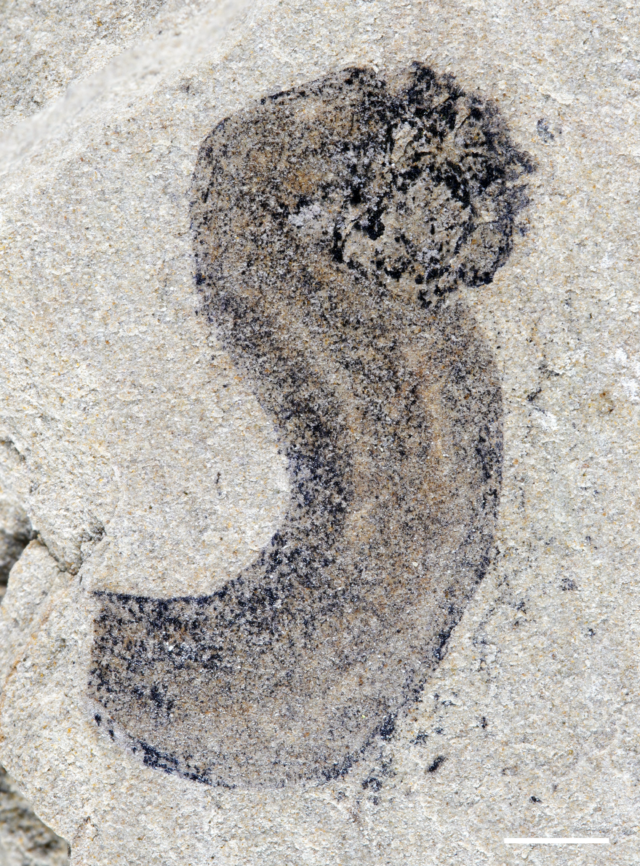
The complete absence of these Ediacaran creatures in later strata has led to the hypothesis that they may have vanished in a mass-extinction event that paved the way for the Cambrian explosion. But a remarkable new discovery from a site in China is challenging this narrative, revealing a complex intermingling of Ediacaran and Cambrian species that suggests a more gradual transition between the two eras.
A Fossil Trove in Southern China
The newly described fossils come from a location just south of Kunming, near Fuxian Lake, in the Dengying Formation - a geological layer known to contain deposits from the Ediacaran period, which spanned from 635 to 540 million years ago. These latest discoveries, made by a team of researchers from Yunnan University and Oxford University, date to the very end of the Ediacaran, only around 7 million years before the first clear Cambrian deposits. 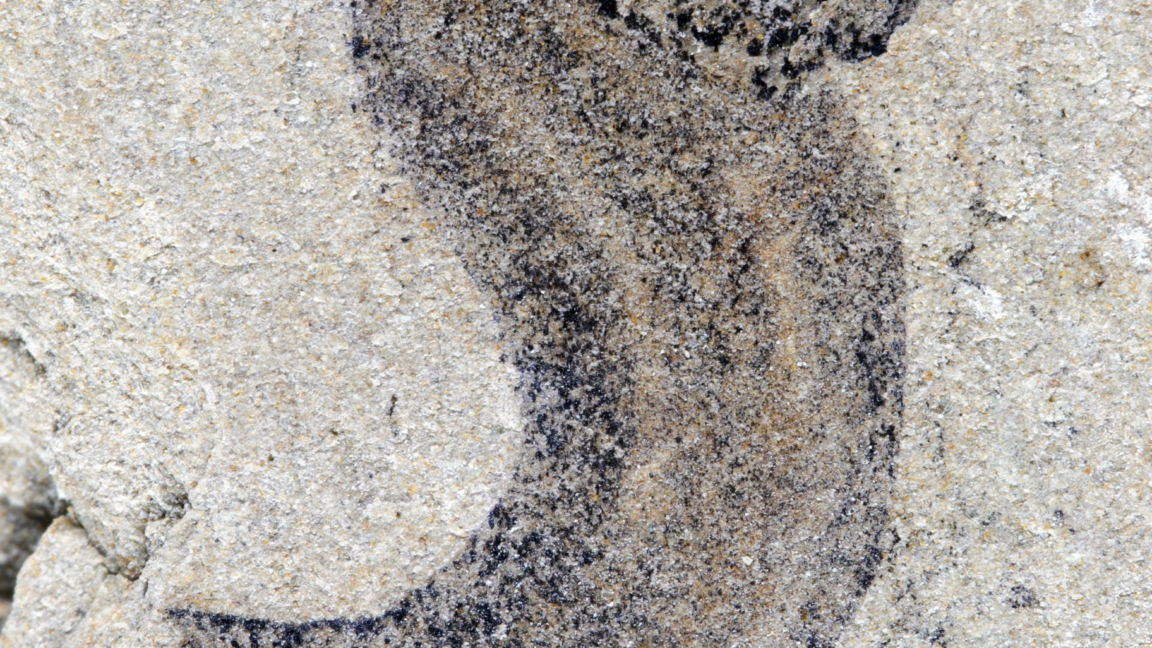
A Surprising Coexistence - The significance of this find lies in the fact that these fossils include examples of groups that flourished during the Cambrian, living side-by-side with a few Ediacaran species. This challenges the notion of a sudden, cataclysmic transition between the two eras, instead suggesting a more gradual shift in the composition of prehistoric life.
"The complete absence of these creatures in later strata suggest they might have vanished in a mass-extinction event that cleared the way for the explosion of Cambrian species," says the research team. "But this new discovery shows that there was a more complex intermingling of Ediacaran and Cambrian species, hinting at a more gradual transition between the two periods."
The researchers' findings offer a tantalizing glimpse into a crucial period in the history of life on Earth, shedding new light on the origins and evolution of the diverse array of organisms that would come to define the Cambrian explosion. 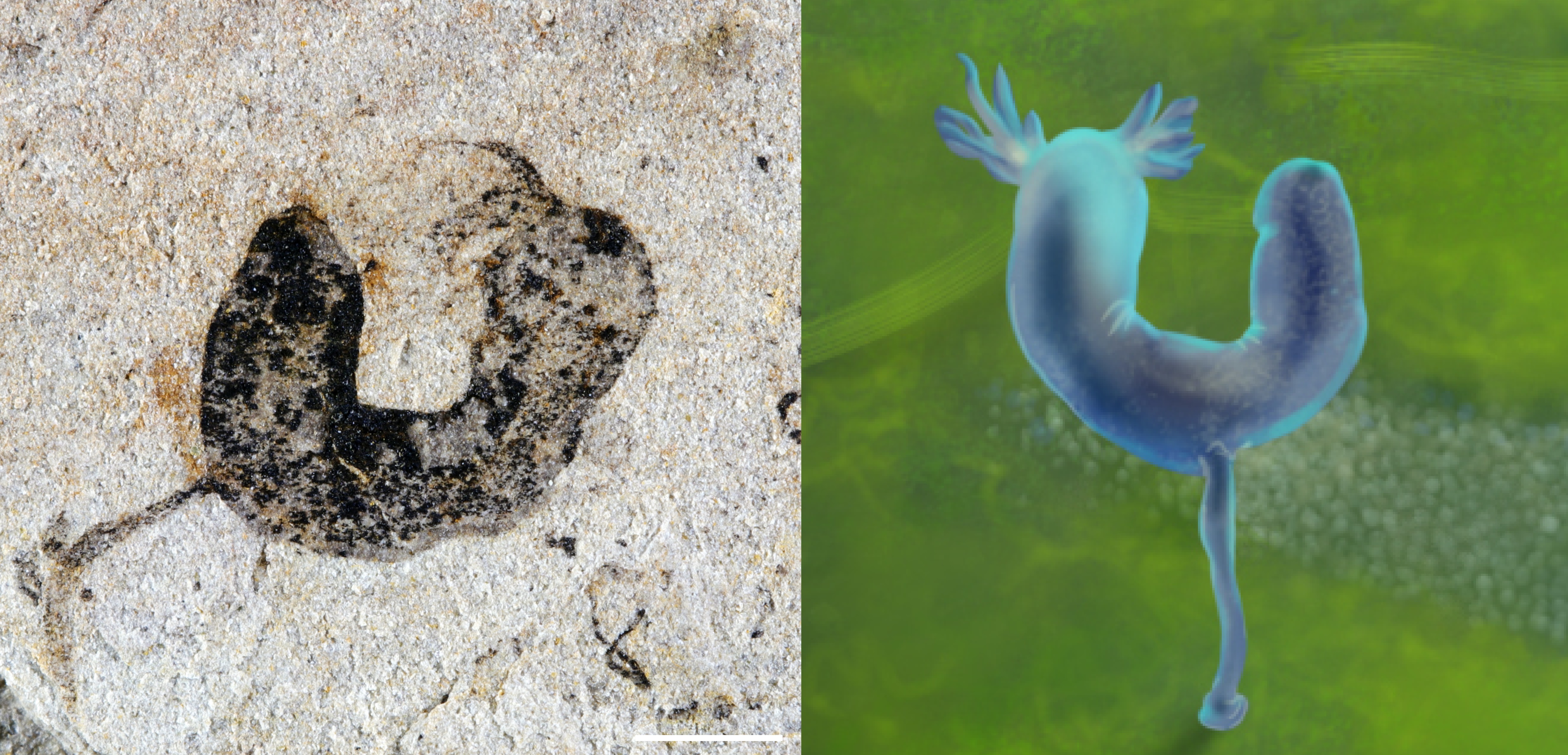
Source: Ars Technica


