
Three Killed in Suspected Hate Crime at San Diego Mosque

Investigators reveal hate rhetoric note left by teenage suspect in tragic shooting at San Diego mosque that claimed three lives. Details emerge.
A tragic incident unfolded at a San Diego mosque when three individuals were killed in what authorities are investigating as a suspected hate crime. The devastating attack has sent shockwaves through the local community and raised urgent questions about religious violence and extremism in America. Law enforcement officials have been working tirelessly to piece together the circumstances surrounding the shooting and understand the motivations behind the violence.
According to investigators, one of the teenage suspects involved in the incident left behind a note containing what authorities describe as general "hate rhetoric." The discovery of this written material has provided crucial insight into the potential mindset and motivations of those responsible for the attack. Authorities are currently analyzing the content of the note to determine if it offers any additional clues about the attack or whether the suspect had connections to organized hate groups or extremist movements.
The San Diego mosque shooting has prompted immediate responses from community leaders, religious organizations, and local government officials who have expressed their condemnation of the violence. Many are emphasizing the need for increased security measures at places of worship and renewed efforts to combat religious intolerance. The incident serves as a stark reminder of the ongoing threat posed by hate-motivated violence in the United States and the vulnerability of religious communities to such attacks.
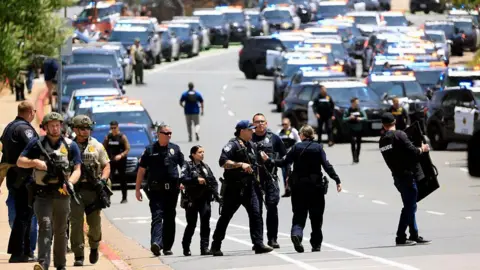
The teenage suspects involved in the attack are currently in custody as law enforcement officials continue their investigation into the case. Detectives have been conducting interviews with witnesses and gathering evidence to build a comprehensive understanding of what transpired. The investigation has expanded to examine whether the suspects had any prior criminal history, association with extremist groups, or had made previous threats that might have been missed by authorities.
Community members and religious leaders have come forward to share their grief and demand justice for the victims. The hate crime investigation has drawn attention from civil rights organizations and advocacy groups that are calling for stronger protections for religious minorities. Many in the San Diego community have organized vigils and peaceful demonstrations to honor the deceased and reaffirm their commitment to interfaith harmony and religious tolerance.
The presence of hate rhetoric in the suspect's note underscores a broader concern about radicalization and the dissemination of extremist ideologies, particularly among young people. Experts have pointed to the role of online platforms in potentially exposing vulnerable individuals to hateful messaging and conspiracy theories. Law enforcement agencies are working with technology companies to identify and address sources of radicalization that may have influenced the suspects.
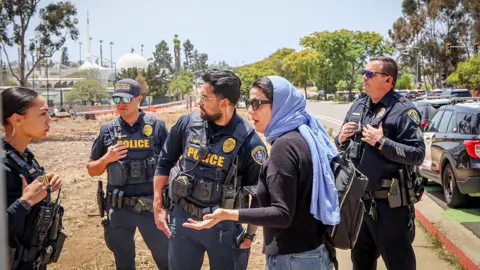
The investigation into the mosque shooting has also prompted discussions about the effectiveness of existing threat assessment protocols and whether warning signs were overlooked. Investigators are examining the digital footprint of the suspects to determine if they posted threatening content online or expressed extremist views in chat rooms or social media platforms. This comprehensive approach aims to identify any pattern of escalating radicalization that might have been detected earlier.
Religious leaders across different faiths have united in their response to the tragedy, emphasizing the importance of standing together against hatred and violence. Muslim community organizations have highlighted the need for federal resources to enhance security at mosques and other houses of worship. The incident has reignited debates about hate crimes legislation and whether existing laws provide adequate protection and sufficient penalties for religiously-motivated violence.
As the investigation continues, authorities are appealing to the public for any additional information that might help them understand the full scope of the suspects' activities and motivations. Law enforcement agencies have established tip lines and are encouraging anyone with relevant information to come forward. The cooperation of community members could be instrumental in ensuring that all aspects of the attack are thoroughly examined and that appropriate justice is served.
The tragic deaths have left families devastated and the broader religious community grappling with feelings of vulnerability and fear. Counseling services and mental health resources have been made available to those affected by the tragedy, including survivors, family members, and first responders. Many organizations have launched fundraising efforts to support the families of the victims and help the mosque community recover from the trauma.
This incident represents another dark chapter in America's ongoing struggle with religious violence and extremism. Security experts have begun reviewing best practices for protecting places of worship and have made recommendations to enhance safety protocols at religious institutions nationwide. The San Diego community's response to this tragedy will likely influence discussions about prevention strategies and community resilience in the face of hate-motivated attacks.
The teenage suspects face serious federal and state charges related to the hate crime, with prosecutors building cases that reflect the severity and premeditated nature of the violence. Legal experts anticipate that the presence of the hate rhetoric note will strengthen charges and potentially result in enhanced sentences under hate crimes legislation. The legal proceedings will be closely watched by civil rights advocates and community members seeking accountability for the senseless loss of life.
In the aftermath of the shooting, conversations about radicalization, hate speech, and community responsibility have become more urgent than ever. Educational institutions, law enforcement agencies, and community organizations are exploring ways to identify and intervene with individuals who may be vulnerable to extremist ideologies. The San Diego mosque attack serves as a catalyst for these critical discussions about preventing future acts of violence and building more resilient, inclusive communities. Moving forward, the focus will remain on supporting the affected families, ensuring thorough justice, and working collectively to prevent similar tragedies from occurring.
Source: BBC News


