
Tensions Escalate in the Strait of Hormuz: BBC Witnesses the Frontlines

BBC journalist Orla Guerin travels to the edge of the critical Strait of Hormuz, where tensions between Iran and the West are reaching a boiling point.
Tensions are rising in the Strait of Hormuz, a crucial waterway that Iran has placed under a virtual stranglehold. BBC journalist Orla Guerin traveled to the edge of this strategic chokepoint to witness the escalating situation firsthand.
As Guerin reports, the region is now "at the edge of a battlefield." Iran has flexed its military muscle, threatening to disrupt the global oil trade by blocking or seizing vessels passing through the strait. This volatile situation has raised concerns about the potential for a broader conflict in the Middle East.
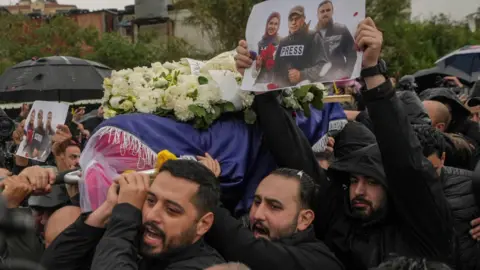
The Strait of Hormuz is a narrow waterway that connects the Persian Gulf to the Gulf of Oman and the Arabian Sea. It is a critical choke point for global oil shipments, with an estimated 20% of the world's crude oil passing through its waters.
Iran, which controls the northern shore of the strait, has threatened to close the passage in response to crippling economic sanctions imposed by the United States and its allies. This has prompted a significant military buildup in the region, with the U.S. and its partners deploying additional warships and aircraft to deter any Iranian aggression.
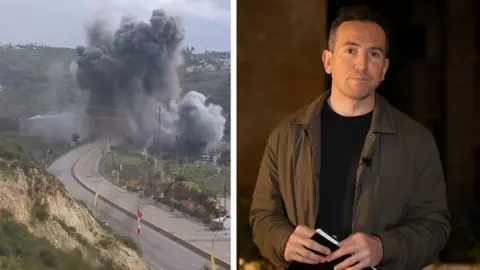
Guerin's reporting from the edge of the Strait of Hormuz provides a firsthand glimpse into the tense and volatile situation unfolding in this strategic waterway. Her account underscores the high stakes involved and the potential for a dangerous escalation that could have global consequences.
As the world watches the developments in the Strait of Hormuz with bated breath, the risk of miscalculation and unintended conflict remains a grave concern. The delicate balance of power in the region hangs in the balance, and the actions of both Iran and the international community will be crucial in determining the outcome.
Source: BBC News


