
Tarique Rahman Takes Office as Bangladesh's New PM

BNP leader Tarique Rahman sworn in as Bangladesh PM, ending 18 months of caretaker rule and marking dramatic political comeback after Hasina's fall.
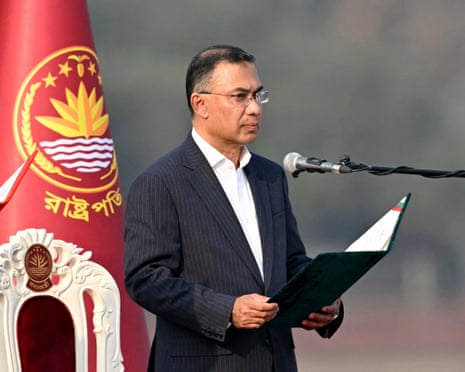
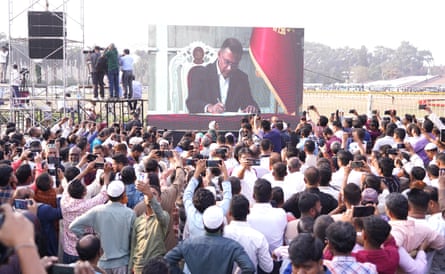
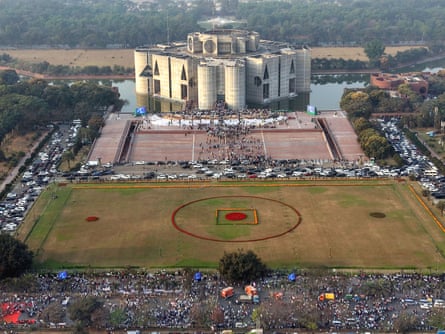
In a momentous political development that has captured international attention, Tarique Rahman has officially assumed the role of Bangladesh's prime minister, marking a stunning political resurrection for the Bangladesh Nationalist Party (BNP). The swearing-in ceremony represents not just a change in leadership, but a fundamental shift in Bangladesh's political landscape after years of authoritarian rule and civil unrest.
The transition brings to a close an unprecedented 18-month period of caretaker government led by Nobel Peace Prize laureate Muhammad Yunus, who served as interim leader following the dramatic collapse of Sheikh Hasina's administration in 2024. This interim period was marked by significant challenges, including economic instability, social tensions, and the monumental task of preparing the country for democratic elections.
Rahman's ascension to power represents a remarkable comeback story for both the politician and his party, which had been systematically marginalized during Hasina's increasingly authoritarian rule. The BNP leader's journey to the prime minister's office was fraught with obstacles, including years of legal battles, political persecution, and periods of exile that seemed to spell the end of his political career.
The political transformation in Bangladesh has been closely watched by regional and international observers, who view this transition as a critical test of the country's democratic institutions. The peaceful transfer of power from the caretaker government to an elected administration signals a potential return to democratic norms after years of political repression and electoral manipulation.
Citizens across Bangladesh have expressed cautious optimism about the new administration, with many voicing hope that Rahman's leadership will usher in an era of political reconciliation and economic revival. The country's economy, which suffered significant damage during the political upheaval and transition period, faces numerous challenges including inflation, unemployment, and reduced foreign investment confidence.
The new prime minister inherits a nation grappling with deep-seated issues that extend far beyond politics. Social divisions, infrastructure challenges, and the need for institutional reforms present formidable obstacles that will test Rahman's leadership capabilities and his government's ability to deliver on campaign promises of change and prosperity.
International diplomatic circles have responded with measured optimism to the democratic transition, with several nations and international organizations expressing support for Bangladesh's return to elected governance. The smooth handover of power has been particularly welcomed by regional partners who had grown concerned about stability in one of South Asia's most populous nations.
The Bangladesh Nationalist Party's return to power comes after years of being effectively shut out of the political process under Hasina's Awami League government. The party's resilience in maintaining its organizational structure and popular support despite systematic persecution demonstrates the enduring nature of Bangladesh's multi-party democratic aspirations.
Economic experts and policy analysts are closely monitoring the new administration's approach to addressing Bangladesh's financial challenges. The country's key industries, including textiles and agriculture, require significant investment and modernization to compete effectively in global markets. Rahman's government faces the daunting task of restoring investor confidence while implementing policies that address widespread poverty and inequality.
The role of Muhammad Yunus during the transitional period has been widely praised for maintaining stability and ensuring a peaceful path to democratic elections. His leadership of the caretaker government provided crucial legitimacy during a period when Bangladesh's democratic institutions faced their greatest test in decades.
Regional geopolitics will play a significant role in shaping Rahman's foreign policy approach, particularly in managing relationships with neighboring India and China, both of which have substantial strategic and economic interests in Bangladesh. The new administration will need to navigate these complex relationships while pursuing policies that serve Bangladesh's national interests.
Civil society organizations and human rights advocates have expressed hope that the new government will prioritize the restoration of democratic freedoms and the rule of law. Years of political repression, media censorship, and restrictions on civil liberties have left deep scars on Bangladesh's democratic fabric that will require sustained effort to heal.
The youth demographic in Bangladesh, which played a crucial role in the political uprising that led to Hasina's downfall, represents both an opportunity and a challenge for the new administration. These young citizens have high expectations for change and will likely hold the government accountable for delivering on promises of reform and modernization.
Educational reform and job creation are among the most pressing priorities facing Rahman's government, as Bangladesh struggles to provide adequate opportunities for its large and growing young population. The success or failure of these initiatives will likely determine the long-term stability and prosperity of the new democratic government.
As Bangladesh embarks on this new chapter in its political history, the international community watches with keen interest to see whether this transition will indeed mark the beginning of a more democratic, prosperous, and stable future for the nation's 170 million citizens. The stakes could not be higher for both Rahman's government and the country's democratic aspirations.
Source: The Guardian


