
Tariff Turmoil: Asia Braces for New Trade Landscape After Supreme Court Ruling

The Supreme Court's ruling on Trump's tariffs has shaken up Asia's economic landscape. This article explores the implications and the region's next steps.
The recent Supreme Court ruling striking down former President Trump's tariffs on goods entering the United States has sent shockwaves through the Asian markets. Despite the decision, Trump has vowed to impose new levies of 15% on imports, further complicating the region's trade dynamics.
As the dust settles, many are left wondering: what now for Asia? The region, which has long been the manufacturing hub for the global economy, now faces a deeply uncertain future as it navigates the shifting trade landscape. Experts warn that the new tariffs could significantly impact Asia's export-driven economies, potentially leading to job losses, supply chain disruptions, and broader economic turmoil.
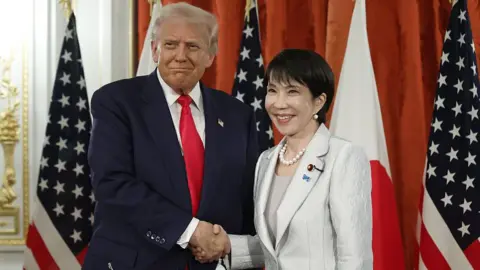
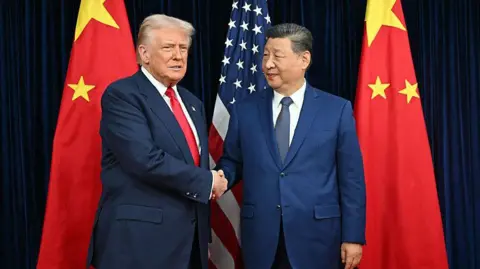
One of the key concerns is the potential escalation of trade tensions between the US and its Asian trading partners. China, in particular, is likely to be a primary target of the new tariffs, as the two countries continue to spar over a range of issues, including technology transfer, intellectual property rights, and market access.
"This is a concerning development for Asia," says Dr. Aisha Huang, a senior fellow at the Asia-Pacific Research Institute. "The region has spent decades building up its export-driven economies, and now it faces the prospect of significant disruption to those carefully constructed supply chains. The long-term implications could be severe."
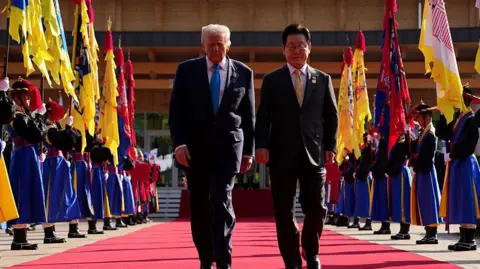
In response, many Asian nations are exploring alternative strategies to mitigate the impact of the new tariffs. Some are seeking to diversify their export markets, while others are focusing on strengthening domestic consumption and developing new industries. Additionally, there is a renewed push for regional economic integration, with initiatives like the Comprehensive and Progressive Agreement for Trans-Pacific Partnership (CPTPP) gaining momentum.
"The key for Asia now is to be proactive and adaptable," says Huang. "They need to find ways to insulate their economies from the unpredictable actions of the US government and chart a course that ensures long-term stability and growth." The road ahead may be uncertain, but Asia's resilience and economic dynamism will be put to the test in the coming years.
Source: BBC News


