
Syria Camp Crisis: Australia Urged to Save Trapped Citizens

Aid workers warn of dire conditions as 34 Australian women and children face nightly raids and violent beatings in deteriorating Roj camp in Syria.
International humanitarian organizations are intensifying pressure on the Australian government to immediately repatriate 34 citizens currently detained in deteriorating conditions at the Roj detention camp in northeastern Syria. Aid workers describe the situation as increasingly dire, with near-nightly security raids and escalating violence creating what they characterize as more dangerous circumstances than repatriation would present. The group consists of 11 women and 23 children who were forcibly returned to the facility earlier this week.
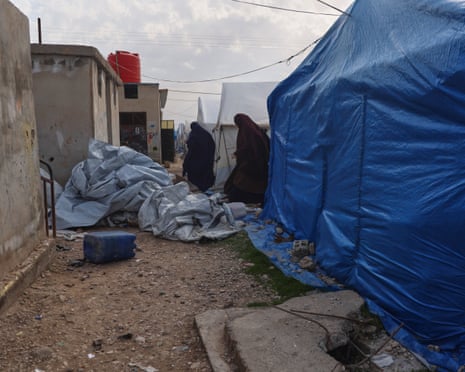
The Australian citizens, who had been temporarily relocated from the camp, were forced back to Roj camp on Monday under circumstances that have drawn international criticism. Upon their return, they discovered their former accommodations in complete disarray, with their temporary shelters completely demolished and personal belongings confiscated by camp authorities. The area previously known as "Australia Street," where the families had established a small community within the larger detention facility, no longer exists.
Camp conditions have reportedly reached crisis levels, with humanitarian workers documenting a significant increase in violent incidents and security operations. The Syrian detention facility, which houses individuals with alleged connections to Islamic State activities, has become increasingly unstable as regional security concerns mount. Families are experiencing trauma from constant disruption, with children particularly affected by the uncertain environment and frequent nighttime disturbances.
Australian government officials have remained largely silent on the deteriorating situation, despite mounting pressure from human rights advocates and international partners. The repatriation of Australian citizens from Syrian camps has been a contentious political issue, with security concerns often cited as the primary obstacle to bringing nationals home. However, aid organizations argue that the current conditions present greater risks to the wellbeing of the detained families than a carefully managed return to Australia would entail.
The demolished living quarters represent more than just physical destruction; they symbolize the erasure of the small sense of community and stability these families had managed to create within the harsh confines of the camp. Personal items, including children's belongings, educational materials, and family photographs, were reportedly seized during the demolition process. This loss of personal property adds another layer of trauma to an already difficult situation for the detained Australian families.
Humanitarian experts familiar with the situation describe the camp's security environment as increasingly volatile, with armed guards conducting searches and raids that often occur without warning during nighttime hours. These operations have become more frequent and aggressive in recent weeks, creating an atmosphere of constant fear and uncertainty among detainees. The violent beatings reported by aid workers represent a significant escalation in the treatment of camp residents.
International law experts emphasize that Australia has legal obligations to protect its citizens, regardless of the circumstances that led to their detention in Syria. The principle of consular protection extends to all nationals, and the deteriorating conditions in Roj camp make the urgency of action even more pressing. Legal advocates argue that the Australian government's reluctance to act decisively puts vulnerable children at particular risk of long-term psychological damage.
The 23 Australian children in the camp range in age from toddlers to teenagers, with many having spent significant portions of their lives in detention. Child welfare experts warn that prolonged exposure to violence, uncertainty, and harsh living conditions can have lasting developmental impacts. The recent escalation in camp violence adds additional trauma layers to children who have already experienced significant adversity throughout their young lives.
Regional security dynamics in northeastern Syria continue to complicate the situation for all detainees in facilities like Roj camp. The area remains politically unstable, with various armed groups competing for control and influence. This broader instability contributes to the harsh conditions within the camp and makes the long-term prospects for detained families increasingly uncertain. The Syrian conflict has created complex challenges for international repatriation efforts.
Diplomatic sources suggest that behind-the-scenes negotiations regarding the Australian detainees have been ongoing, but progress remains limited. The complexity of arranging safe passage from a conflict zone, combined with domestic political considerations, has slowed decision-making processes. However, the recent deterioration in camp conditions has prompted renewed urgency in these discussions among government officials and international partners.
The forced return to Roj camp on Monday marked a significant setback for the families, who had briefly hoped for improved conditions or potential resolution of their situation. Instead, they found themselves in circumstances worse than before their temporary relocation. The destruction of their living spaces and confiscation of belongings sends a clear message about their precarious status within the camp hierarchy.
Aid organizations operating in the region emphasize that the current trajectory is unsustainable and potentially dangerous for all camp residents. The combination of deteriorating physical infrastructure, increasing violence, and growing uncertainty creates conditions that humanitarian workers describe as approaching a crisis point. The humanitarian crisis extends beyond the Australian families to affect all detainees in the facility.
International precedents exist for successful repatriation operations from Syrian camps, with several countries having managed to safely return their nationals under carefully controlled circumstances. These operations typically involve extensive security screening, rehabilitation programs, and ongoing monitoring to address both security concerns and reintegration challenges. Australia's reluctance to pursue similar approaches has drawn criticism from international partners and humanitarian organizations.
The psychological impact of the current situation extends beyond immediate physical safety concerns. Mental health experts who work with conflict-affected populations warn that the combination of repeated displacement, violence exposure, and uncertain futures creates conditions for long-term trauma disorders. Children are particularly vulnerable to these psychological effects, which can impact their development and future capacity for normal social integration.
As international pressure mounts, Australian government officials face increasing scrutiny over their handling of the situation. The contrast between Australia's stated commitment to citizen protection and the reality faced by these 34 nationals in Syrian detention has become a source of diplomatic embarrassment. Critics argue that the government's approach prioritizes domestic political considerations over fundamental obligations to protect Australian citizens in crisis situations.
Source: The Guardian


