
Stockholm Opens First Public Sauna Amid Access Crisis

Stockholm launches its first publicly-run sauna, addressing years-long waiting lists at exclusive clubs. A game-changer for locals and visitors seeking affordable sauna access.
Stockholm has long been recognized as a city where sauna culture thrives, with residents embracing the tradition of bada bastu throughout the year, regardless of season or time of day. Yet despite this deep cultural connection to saunas, the Swedish capital has faced a surprising challenge: accessing these cherished facilities has become extraordinarily difficult for ordinary residents and tourists alike. The city's authorities have now taken a decisive step to address this problem by announcing plans to open Stockholm's first publicly run sauna, a development that promises to democratize access to this beloved Nordic tradition.
The stunning contrast between Stockholm's sauna culture and the actual availability of sauna facilities has created an unusual paradox in the city. Throughout the year, from dawn until dusk and well into the evening hours, countless Stockholmers can be observed making their way to and from wooden sauna structures, their silhouettes framed against rising wisps of woodsmoke escaping from traditional chimneys. These dedicated enthusiasts then immerse themselves in the city's distinctive brackish waters, which line Stockholm's picturesque waterfront areas. This daily ritual speaks volumes about how integral sauna bathing has become to the city's lifestyle and identity.
However, the reality of accessing these facilities tells a markedly different story. For both longtime residents and visiting tourists, gaining entry to Stockholm's most desirable sauna venues has become nearly impossible without significant connections or substantial patience. The most coveted waterside sauna locations maintain waiting lists stretching for years, with thousands of individuals hoping for their eventual turn. This exclusionary access pattern mirrors that of the world's most prestigious private clubs, where membership is limited, highly selective, and comes with considerable barriers to entry.

The scarcity of publicly accessible sauna spots has become a genuine problem for Stockholm's population. When new facilities do occasionally open their doors, available slots typically vanish within minutes as eager applicants rush to secure access. While some of the city's exclusive sauna clubs do reserve a limited number of spots for non-members, these opportunities are exceptionally rare and require considerable luck or persistence to obtain. This has effectively created a two-tiered system where only privileged members can enjoy regular sauna access while everyone else struggles with sporadic and unpredictable availability.
The introduction of a publicly-run sauna facility represents a fundamental shift in how the city approaches this culturally significant amenity. Rather than continuing to rely on private membership clubs that exclude the majority of residents, Stockholm is embracing a more egalitarian model that prioritizes accessibility and inclusivity. This new public sauna is explicitly designed as a place for everybody, reflecting the city's commitment to ensuring that sauna culture remains a shared experience rather than an exclusive privilege reserved for a wealthy few.
Comparisons to other Nordic countries highlight just how unusual Stockholm's situation has been. Sweden's neighboring nations, including Finland and Norway, have long maintained robust networks of publicly accessible sauna facilities, allowing their residents and visitors to enjoy this fundamental aspect of Nordic culture without extensive waiting periods or membership requirements. The absence of similar public infrastructure in Stockholm has been a notable gap in Nordic sauna provision, one that has finally prompted civic action.
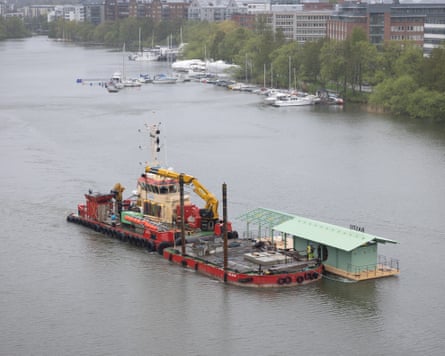
This new Stockholm sauna initiative comes at a time when interest in sauna wellness and traditional bathing practices has experienced a significant resurgence throughout Europe. Health-conscious individuals are increasingly recognizing the physical and mental health benefits associated with regular sauna use, from improved circulation and cardiovascular health to stress relief and mental wellness. The accessibility crisis in Stockholm has thus become particularly frustrating for those seeking these wellness benefits, as the city's residents have been unable to fully participate in this healthful practice.
The planning and development process for this publicly-run facility has involved extensive consultation with local communities, sauna enthusiasts, and city planners. Officials have emphasized that the new venue will be designed with both functionality and comfort in mind, ensuring that it meets the high standards expected by Stockholm's discerning sauna-loving population. The facility is intended to be welcoming to diverse age groups and backgrounds, encouraging both longtime sauna enthusiasts and newcomers to explore this cherished tradition.
Beyond simply opening a new sauna, this project represents a broader statement about civic values and public access to cultural institutions. By investing in public sauna infrastructure, Stockholm is affirming its belief that certain cultural practices and wellness amenities should not be restricted to those who can afford exclusive club memberships. Instead, the city is positioning sauna access as a public good, similar to public parks, libraries, or swimming pools, to which all residents and visitors should have reasonable access.

The anticipated impact of this new facility extends beyond mere convenience for sauna-seekers. By reducing waiting times and eliminating barriers to entry, the city expects to see broader participation in sauna culture across different demographic groups. This could help introduce younger generations to the tradition and attract international visitors who wish to experience authentic Nordic sauna bathing. The facility is also expected to generate economic benefits through tourism and related hospitality services in the surrounding area.
Looking ahead, this publicly-run sauna is expected to serve as a model for how other Scandinavian cities might approach public wellness infrastructure. Should the Stockholm facility prove successful in meeting demand while maintaining quality and sustainability, it could inspire similar initiatives throughout the region. The project thus carries significance that extends well beyond Stockholm's borders, potentially reshaping how Nordic cities think about providing equitable access to cultural and wellness amenities.
For Stockholm residents who have spent years on waiting lists or given up on accessing sauna facilities altogether, the opening of this public sauna represents a welcome relief and an affirmation that their city recognizes and values their desires to participate in one of the most cherished aspects of Nordic culture. As construction progresses and the opening date approaches, anticipation continues to build among the city's sauna-loving community, united in the knowledge that their beloved tradition will finally be accessible to all.
Source: The Guardian


