
Starmer's Crisis Deepens as Labour MPs Lose Faith

Labour MPs express growing concerns about PM Keir Starmer's leadership following a crucial speech. Party morale plummets after election setbacks.
Prime Minister Keir Starmer faced mounting political pressure on Monday as his position within the Labour Party continued to deteriorate following what many party members viewed as a make-or-break leadership speech. The gravity of the situation became increasingly apparent as Labour MPs engaged in urgent conversations about their leader's viability, with sentiment within party ranks shifting toward skepticism rather than solidarity.
The atmosphere within Labour circles reflected a party in turmoil, with backbench members and senior figures grappling with fundamental questions about the party's direction and leadership. What had been envisioned as an opportunity for Starmer to reinvigorate confidence in his leadership instead appeared to intensify existing doubts among key party members. The sense of crisis was palpable as MPs weighed the implications of staying loyal to their party leader amid unprecedented challenges.
Throughout Monday's political calendar, the central question dominating Labour corridors was straightforward yet existential: "Has Keir done enough to survive?" This inquiry, repeated countless times among worried party members, encapsulated the genuine anxiety permeating Westminster. Many had hoped Starmer's speech would provide decisive answers and restore the confidence that had been shattered by recent electoral outcomes.
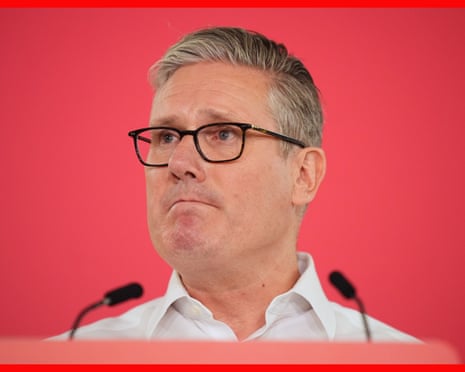
However, the nature of MPs' concerns revealed a paradoxical predicament. Rather than fearing that the Prime Minister might be removed from office, many party members appeared genuinely worried that he would remain in leadership despite the mounting difficulties. This distinction highlighted a fundamental crisis of confidence that went beyond typical political disagreements or policy disputes. The bruises inflicted by Thursday's election results had cut deeply into party morale and faith.
The scale of Labour's electoral defeat on Thursday had shocked party activists and elected officials alike, creating immediate questions about strategic direction and leadership capability. Election setbacks of the magnitude Labour experienced typically trigger intense internal debates about whether current leadership can effectively navigate recovery. The party faced not just electoral challenges but a crisis of internal cohesion and purpose.
Calls from the Prime Minister's allies for party unity and continued support for Starmer's leadership appeared to be falling on increasingly deaf ears. These pleas for solidarity and patience seemed to lack the persuasive force necessary to stem the tide of skepticism among rank-and-file MPs. Senior figures attempting to shore up support for their leader found themselves fighting against a groundswell of doubt that had become increasingly difficult to contain or redirect.
The evolution of Labour party dynamics reflected broader patterns of political volatility affecting Westminster. When major electoral defeats occur, questions inevitably arise about whether existing leadership structures can effectively respond to new political realities. For Starmer, the challenge extended beyond simply articulating a recovery plan; he needed to restore fundamental confidence among party members who had begun questioning whether change at the top might be necessary.
The Monday speech represented Starmer's most significant opportunity to reverse negative momentum and convince wavering MPs that his leadership offered the best path forward. Yet early assessments from within party ranks suggested that even this high-profile platform had failed to achieve the decisive turnaround many had anticipated. The continuing Labour leadership crisis reflected deep structural challenges within the party that extended beyond any single speech or statement.
Among experienced political observers, the pattern seemed clear: a wounded prime minister facing an increasingly restless party membership with limited options for regaining lost ground. The coalition of support that had initially backed Starmer's ascension to the party leadership appeared to be fragmenting under the pressure of recent events. Questions multiplied about whether the party could sustain its current direction without significant changes to its leadership structure or strategic approach.
The political situation underscored fundamental challenges inherent in maintaining party cohesion during periods of electoral difficulty and internal stress. Labour had weathered previous periods of internal turbulence, but the current crisis appeared qualitatively different in its intensity and the breadth of skepticism it encompassed. Many MPs who might have been expected to remain loyal to their leader seemed prepared to seriously consider alternative approaches to party leadership and direction.
Looking at the broader implications, Starmer's ability to recover from this period of acute political vulnerability would depend not merely on rhetorical skill or strategic planning, but on his capacity to convince a skeptical party membership that his continued leadership offered genuine prospects for future electoral success and political relevance. As the week progressed, all eyes within Labour focused intently on whether the Prime Minister could rebuild the fractured coalition of support that his leadership had previously commanded among party members and supporters.
Source: The Guardian


