
Starmer's Ally Sidesteps Leadership Question

Chief Secretary Darren Jones avoids confirming if PM will lead Labour into next election as pressure mounts for Starmer's resignation.
One of Prime Minister Keir Starmer's most trusted senior colleagues has notably sidestepped a direct question about whether the Labour leader will continue to guide the party through the next general election. The carefully measured response underscores the intensifying internal pressure within the party as various high-profile members and backbenchers voice concerns about Starmer's political future and leadership direction. Chief Secretary Darren Jones, widely regarded as one of the Prime Minister's closest confidants within government circles, delivered his characteristically diplomatic response when pressed on this increasingly contentious issue.
During recent parliamentary exchanges and media appearances, Jones emphasized that the Prime Minister is actively listening to colleagues who have raised questions about his timeline for potential departure from the top job. However, he was quick to note that any final decision regarding Starmer's political future would remain firmly in the hands of the Prime Minister himself, rather than being subject to internal party pressure or coordinated demands from cabinet members. This statement reflects the delicate balancing act that senior government figures must maintain when addressing questions about their leader's tenure and long-term intentions.
The mounting pressure on Starmer represents a significant challenge for a government that has faced various policy setbacks and internal controversies in recent months. Multiple Labour MPs and party officials have reportedly expressed concerns about the party's electoral prospects and internal morale, with some questioning whether new leadership might better position Labour for future electoral success. The lack of clarity from Jones about the Prime Minister's intentions suggests that no firm decision has yet been made public within the highest echelons of government regarding a specific resignation timeline.

The Chief Secretary's measured remarks come amid a broader period of Labour leadership uncertainty that has captured significant media attention and sparked intense debate among party members and supporters alike. Sources close to Downing Street have indicated that discussions about the party's future direction and potential transition plans are ongoing, though no official statements have been released detailing specific timelines or succession planning. The reluctance of senior figures like Jones to provide definitive answers suggests that the situation remains fluid and subject to ongoing internal negotiations and considerations.
Political observers have noted that Starmer's position as Prime Minister, while still constitutionally secure, has become increasingly subject to speculation and analysis regarding its long-term sustainability. Some commentators have suggested that a managed transition with a predetermined timeline might actually strengthen the party's position by allowing for an orderly process of succession planning and leadership preparation. Others argue that premature announcements about departure timelines could undermine a sitting Prime Minister's authority and effectiveness in their current role.
The political pressure being exerted on the Labour leadership reflects broader tensions within the party regarding its direction, policy priorities, and electoral strategy moving forward. Various factions within Labour have expressed differing views about the optimal path forward, with some advocating for continuity under Starmer's leadership and others suggesting that fresh leadership might invigorate the party and its supporters. The Chief Secretary's comments suggest that these internal discussions remain active and unresolved, with no immediate clarity expected regarding the Prime Minister's final decision.
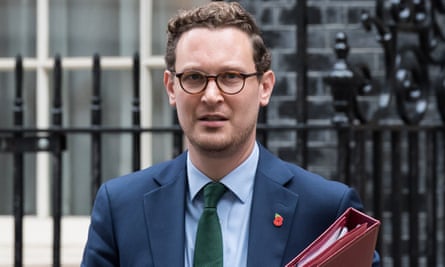
In his capacity as Chief Secretary to the Treasury, Darren Jones holds one of the most senior and influential positions within the government's economic policymaking apparatus. His reluctance to confirm details about the Prime Minister's future leadership intentions underscores the sensitivity surrounding this issue within the highest levels of the Labour government. As one of Starmer's longest-serving and most loyal advisors, Jones's carefully worded statements likely reflect discussions and understandings developed through extensive private conversations with the Prime Minister and other senior cabinet members.
The question of next election leadership has become increasingly prominent in political commentary as speculation grows about potential timelines for either a voluntary departure or a forced transition of power. Jones's statement that Starmer is "listening to colleagues" while reserving the right to make his own decisions suggests a Prime Minister who is considering input from trusted advisors but remains firmly committed to maintaining personal control over the final determination. This approach reflects Starmer's known preference for deliberative decision-making processes that involve consultation with key figures but ultimately vest authority in his own judgment and leadership instincts.
Political analysts have suggested that the next election timing could be crucial in determining whether Starmer continues as Labour leader or whether the party undergoes a transition to alternative leadership before electoral competition resumes. The fixed-term parliament arrangements and constitutional conventions governing British politics mean that the Prime Minister retains significant discretion over when to call an election, which could in turn influence decisions about leadership transitions and succession planning. The ambiguity currently surrounding Starmer's intentions may therefore be strategic, allowing him flexibility in managing both governmental responsibilities and internal party dynamics.
The broader context of these discussions includes concerns about party unity, electoral prospects, and the government's ability to implement its legislative agenda effectively over the coming months and years. Some Labour figures have privately acknowledged that the party faces significant challenges in maintaining momentum and public support amid various policy implementation challenges and external economic pressures. The question of Labour party leadership thus intersects with broader strategic considerations about how best to position the party for electoral success and effective governance in the current political environment.
As discussions continue behind closed doors in Whitehall and Labour Party headquarters, the public facade of unity and confidence in Starmer's leadership remains largely intact, though cracks are increasingly visible to close observers of British politics. Jones's careful language represents an attempt to acknowledge the reality of ongoing discussions and pressure while simultaneously defending the Prime Minister's right to make autonomous decisions about his political future. The coming weeks and months will likely prove decisive in determining whether these discussions lead to a managed transition with a predetermined timeline or whether Starmer consolidates his position and commits to leading Labour into the next general election.
Source: The Guardian


