
Starmer Pledges to Defeat Doubters in Critical Leadership Speech

PM vows to fight leadership challenge, announces EU deal pursuit, and defends Labour against 'dangerous opponents' in pivotal address.
Keir Starmer has made an emphatic declaration that he will prove his critics wrong, delivering what many observers are characterizing as a make-or-break speech at a pivotal moment for his Labour leadership. In his address, the Prime Minister warned that the party faces "very dangerous opponents" and pledged to remain steadfast in his role, signaling his determination to weather the current political storm threatening his tenure at the top of the party.
The speech comes at a critical juncture in Starmer's premiership, with senior party figures reportedly positioning themselves for a potential leadership challenge. Rather than backing down from these mounting pressures, Starmer chose to confront them head-on, emphasizing that he would not "walk away" from his responsibilities as Prime Minister and would actively fight any formal attempt to unseat him. His combative stance represents a significant moment of resolve in what has been described as an increasingly fractious period within Labour's ranks.
During his address, Starmer outlined a series of substantial policy pledges designed to reinvigorate both party morale and public confidence in his government. Central to these announcements was his commitment to pursuing a new arrangement with the European Union, a proposal that resonates with portions of the Labour base and signals a potential shift in the government's approach to post-Brexit relations. This pledge has significant implications for trade, regulatory alignment, and Britain's broader relationship with its continental neighbors.
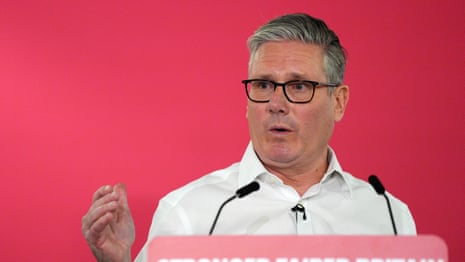
The timing of Starmer's speech proves particularly significant given the internal dynamics currently affecting the Labour party. Sources close to party operations suggest that multiple senior figures have been exploring the viability of mounting a formal challenge to his leadership, indicating deeper dissatisfaction within the parliamentary party. By delivering this forceful address, Starmer appears to be attempting to rally his supporters, demonstrate unity among those loyal to him, and convince wavering members of his continued fitness for the role of party leader and Prime Minister.
In recent months, Starmer has faced considerable criticism from various quarters. Some within Labour have questioned his strategic direction, his handling of various policy matters, and his approach to internal party management. External critics, meanwhile, have seized upon these internal divisions as evidence of governmental dysfunction. The Prime Minister's speech directly addresses these concerns by projecting confidence, outlining a clear vision, and demonstrating his unwillingness to yield to pressure from his opponents.
The EU deal proposal announced during the speech represents one of the most concrete policy initiatives coming from Starmer's government in recent weeks. This move signals a willingness to engage with European partners on mutually beneficial arrangements, potentially addressing some of the economic and regulatory challenges that have emerged since Britain's departure from the European Union. The proposal could include discussions on trade facilitation, data adequacy agreements, and enhanced cooperation on security matters.

Starmer's emphasis on facing "very dangerous opponents" suggests he views the current political environment as increasingly hostile and competitive. This language serves multiple purposes: it rallies party members around a common enemy, it justifies his firm stance on maintaining party unity, and it attempts to shift public discourse away from internal Labour divisions toward external threats. By framing the political contest in terms of combating dangerous adversaries, Starmer seeks to elevate the stakes and encourage internal party solidarity.
The Prime Minister's explicit commitment to fighting any leadership challenge demonstrates his determination to avoid the fate of predecessors who faltered under similar pressure. By making this statement public and unequivocal, Starmer is signaling to potential challengers that they would face a well-prepared and combative opponent. This rhetorical stance may itself serve to deter formal challenges from materializing, as potential rivals assess whether they possess sufficient support to overcome a determined incumbent.
Beyond the immediate political theater, Starmer's address touches on fundamental questions about his vision for the Labour government and its direction. The policy pledges outlined in the speech are intended to provide substantive evidence that his administration has a coherent agenda and can deliver meaningful change. These commitments, particularly regarding EU relations, represent a direct appeal to voters who may have become disillusioned with Labour's performance in government.
The broader context of Starmer's speech includes ongoing debates within Labour about the party's ideological direction, its position on various policy matters, and its electoral strategy. Some party members have expressed frustration with what they perceive as overly cautious or centrist approaches, while others have praised Starmer's pragmatic governance style. By delivering this make-or-break address, Starmer is attempting to reconcile these competing perspectives and establish a unifying narrative around his leadership.
Political analysts note that such critical moments often serve as inflection points in a leader's tenure. A successful speech can consolidate support, intimidate potential challengers, and reset the narrative around a leader's fitness for office. Conversely, a poorly received address can accelerate internal pressure for change. In this case, Starmer's combative approach and specific policy commitments suggest he is taking a calculated risk to stabilize his position through bold assertion rather than retreat.
The reference to not "walking away" from his responsibilities carries particular weight, as it implicitly acknowledges the option that some might expect him to exercise under pressure. By rejecting this option emphatically and publicly, Starmer is drawing a line in the sand and signaling his determination to lead the party and country through this challenging period. This stance may resonate with those who value stability and consistent leadership, while potentially frustrating those who believe a fresh start would benefit the party.
Looking forward, the success or failure of Starmer's speech will likely be measured by whether internal Labour party pressure diminishes in the coming weeks and whether the policy pledges he outlined begin to gain public traction. The EU deal initiative in particular will require careful negotiation and sustained attention to demonstrate tangible results. If Starmer can show progress on these fronts while simultaneously quashing leadership challenges, his political position will strengthen considerably. Conversely, if internal divisions persist or policy initiatives stall, the effectiveness of today's speech will be severely undermined.
Source: The Guardian


