
Starmer Faces Mounting Pressure as Labour MPs Demand His Resignation

UK Prime Minister Keir Starmer confronts growing calls to step down from Labour frontbenchers following devastating local election losses. Latest political developments.
The political landscape in the United Kingdom has shifted dramatically following disappointing local election results, with Keir Starmer facing unprecedented pressure to resign from within his own party ranks. Multiple senior Labour frontbenchers have privately expressed concerns about the prime minister's ability to lead the party forward, according to sources speaking with major news outlets. The mounting internal dissent represents a significant challenge to Starmer's authority just months into his tenure as prime minister, creating a volatile situation within Number 10.
In candid conversations with journalists, several high-ranking Labour MPs revealed that they believe Starmer's time in office should not extend beyond the end of the year. These frontbenchers, who occupy some of the most prominent positions within the government, have questioned whether the prime minister can recover the party's standing with voters. The private discussions indicate a deeper malaise within Labour circles, suggesting that concerns about leadership extend beyond public statements and official channels into the corridors of power.
The catalyst for this internal rebellion stems from Labour's devastating performance in local elections across England, where the party hemorrhaged hundreds of council seats to rival parties. The electoral setback proved particularly humiliating in Wales, where Labour's traditional stronghold crumbled under voter scrutiny. These results represent a stark reversal of fortune for a party that entered government with considerable optimism and a substantial parliamentary majority.
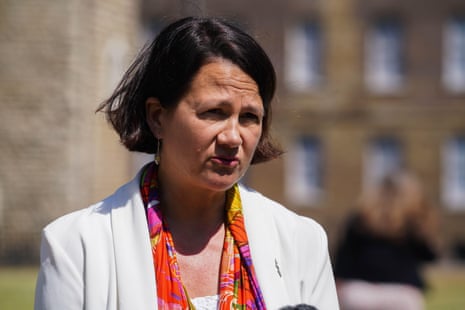
Despite the grim election results, Keir Starmer has maintained his public resolve, insisting that he will not abandon his post in response to electoral setbacks. The prime minister issued a statement accepting responsibility for Labour's poor performance while simultaneously reaffirming his commitment to leading the party through its current difficulties. In a characteristic display of defiance, Starmer remarked that "tough days like this don't weaken my resolve", signaling his intention to weather the political storm regardless of internal pressure.
The contrast between Starmer's public determination and the private doubts expressed by senior Labour figures underscores the deep divisions now affecting the party. While the prime minister projects confidence and stability, his senior colleagues are reportedly having very different conversations behind closed doors. This disconnect between public messaging and private concerns suggests that the government may face significantly greater challenges in maintaining party unity going forward.
Political observers have noted that pressure on Labour's leadership has intensified considerably following the local election campaigns. The party's inability to convert its general election victory into sustained public support raises fundamental questions about its political strategy and messaging. Analysts suggest that the electoral losses reflect broader concerns among voters about the government's handling of key issues, from economic management to public service reform.
The situation represents a critical juncture for the Labour government, which must now navigate both external electoral challenges and internal political turbulence. Starmer's leadership team faces the difficult task of responding to voter concerns while simultaneously managing expectations among backbench MPs and shadow cabinet members. The delicate balance required to maintain government coherence during this period cannot be underestimated, particularly given the scale of the electoral losses suffered.
Sources indicate that some Labour MPs have begun questioning the party's strategic direction and policy priorities, particularly regarding cost-of-living pressures facing ordinary voters. The disconnect between government initiatives and public perception of their impact has created frustration among elected representatives who face constituents' concerns directly. This friction between the parliamentary party and the electorate has translated into the pressure being exerted on Starmer's leadership from within Labour ranks.
The timing of these resignation calls carries particular significance, as they emerge during a sensitive period for the government's legislative agenda. With major policy initiatives pending and significant legislative challenges ahead, internal division poses a serious threat to the government's ability to function effectively. Labour strategists recognize that continued public displays of internal dissent could further damage the party's electoral prospects and public standing.
Political commentators have drawn historical parallels to previous instances of prime ministerial pressure within governing parties, noting that the current situation echoes some familiar patterns of internal party dynamics. However, observers also note that Starmer's specific challenges differ in important ways from historical precedents, given the unique composition of his party and the particular issues dominating the political agenda. The prime minister must therefore craft responses that acknowledge the historical context while addressing contemporary concerns.
Looking ahead, the government faces crucial decisions about how to respond to both public concerns and internal party pressures. Starmer's team is reportedly developing new policy initiatives aimed at addressing voter concerns and demonstrating tangible progress on key issues. Whether these efforts prove sufficient to restore party morale and public confidence remains an open question that will likely dominate political discourse in the coming weeks and months ahead.
The broader context of these developments includes significant global and domestic challenges that have affected government popularity across multiple nations. Economic pressures, inflation concerns, and public service difficulties have created a challenging environment for governments worldwide. Within this context, Labour's electoral performance reflects not only party-specific factors but also broader political dynamics affecting governing parties across democratic nations.
As the situation continues to evolve, political observers will closely monitor whether Starmer can successfully navigate this period of intense internal pressure while maintaining the government's legislative agenda. The prime minister's ability to unite his party around shared objectives while delivering tangible improvements in public services and economic management will prove decisive in determining whether he can overcome current challenges. The coming months will be critical in determining whether the current crisis represents a temporary setback or a more fundamental threat to his leadership and the Labour government's viability.
Source: The Guardian


