
Starmer Accused of 'Appeasing' Big Tech by Safety Expert

Baroness Kidron criticizes PM Starmer for being 'late to the party' on social media regulation, accusing government of appeasing tech giants.
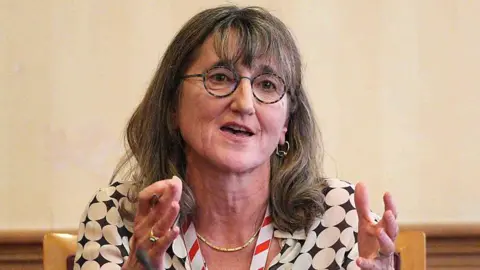
A prominent online safety campaigner has launched a scathing attack on Prime Minister Keir Starmer, accusing him of 'appeasing' major technology companies rather than taking decisive action to protect users from harmful online content. Baroness Kidron, a leading voice in digital rights advocacy, told the BBC that the Prime Minister has been disappointingly "late to the party" when it comes to implementing robust social media regulation. Her criticism comes amid growing concerns about the government's approach to tackling online harms and the influence of big tech corporations on policy decisions.
The crossbench peer, who has been instrumental in pushing for stronger online safety measures, expressed frustration with what she perceives as the government's reluctance to challenge the dominance of tech giants such as Meta, Google, and X (formerly Twitter). Baroness Kidron's comments reflect broader concerns within the digital rights community about the pace and effectiveness of regulatory reforms under Starmer's leadership. The criticism is particularly pointed given Labour's previous promises to prioritize online safety and digital rights as key policy areas.
Speaking to BBC journalists, Baroness Kidron emphasized that the current regulatory framework remains inadequate to address the sophisticated ways in which social media platforms can cause harm to users, particularly children and vulnerable individuals. She argued that the government's cautious approach to big tech regulation has allowed companies to continue operating with minimal oversight while profits from engagement-driven algorithms that can amplify harmful content. Her remarks come at a time when other jurisdictions, including the European Union, have implemented more stringent regulations on digital platforms.
The online safety advocate's criticism extends beyond mere regulatory delays to encompass what she sees as a fundamental misunderstanding of the urgency required to address online harms. Baroness Kidron has previously been credited with championing the Age Appropriate Design Code, which has influenced how tech companies handle children's data and online experiences. Her latest intervention suggests growing impatience with the government's incremental approach to digital policy reform.
The timing of these criticisms is particularly significant as the government faces mounting pressure from multiple stakeholders to accelerate its online safety initiatives. Parents' groups, educators, and mental health professionals have all voiced concerns about the continued exposure of young people to potentially harmful content on social media platforms. The delay in implementing comprehensive regulatory measures has been attributed to various factors, including the complexity of digital governance and the need to balance innovation with protection.
Industry observers note that the relationship between government and big tech has become increasingly complex as these companies have grown to wield enormous influence over public discourse and democratic processes. The accusation of 'appeasement' suggests that Baroness Kidron believes the government is prioritizing the interests of these corporations over the safety and wellbeing of citizens. This tension reflects a broader global debate about how democratic institutions should respond to the unprecedented power of digital platforms.
The Prime Minister's office has yet to respond directly to Baroness Kidron's specific allegations, but government sources have previously emphasized their commitment to creating a safer online environment while maintaining the UK's position as a leading digital economy. The challenge lies in crafting regulations that effectively address harmful content and practices without stifling innovation or creating unintended consequences for legitimate online activities.
Baroness Kidron's intervention comes as Parliament continues to scrutinize the implementation of existing online safety legislation and considers additional measures to address emerging digital threats. The peer has consistently argued that self-regulation by tech companies has proven insufficient and that mandatory standards backed by meaningful penalties are essential for meaningful progress. Her latest comments suggest she believes the current government lacks the political will to confront powerful corporate interests.

The debate over social media accountability has gained additional urgency following recent incidents involving online harassment, misinformation, and the mental health impacts of social media use among young people. Research continues to highlight the correlation between excessive social media use and various negative outcomes, including anxiety, depression, and body image issues among teenagers. Critics argue that the government's measured approach to regulation allows these harms to continue unchecked.
Technology policy experts have noted that the UK's approach to digital regulation has been more cautious compared to other major jurisdictions. The European Union's Digital Services Act and Digital Markets Act have set new global standards for platform accountability and competition in digital markets. Meanwhile, other countries have implemented specific measures targeting issues such as age verification, algorithmic transparency, and content moderation standards.
The accusations of appeasement also reflect broader concerns about the revolving door between government and the tech industry, with former officials often taking positions at major technology companies and vice versa. This dynamic has led to questions about whether regulatory decisions are influenced by considerations beyond public safety and democratic governance. Baroness Kidron's criticism suggests she believes these relationships may be compromising the government's ability to take firm action against harmful practices.
As the debate continues, stakeholders across the spectrum are calling for greater transparency in how the government develops and implements digital policy. The complexity of regulating rapidly evolving technologies while maintaining democratic principles and economic competitiveness presents ongoing challenges for policymakers. However, critics like Baroness Kidron argue that these challenges cannot excuse inaction when it comes to protecting citizens from demonstrable harms.
The future of UK digital policy will likely depend on the government's ability to balance competing interests while demonstrating genuine commitment to online safety. Baroness Kidron's public criticism serves as a reminder that advocacy groups and civil society organizations will continue to hold the government accountable for its promises to create a safer digital environment. The coming months will be crucial in determining whether the Prime Minister can address these concerns while maintaining the UK's reputation as a innovation-friendly jurisdiction.
Source: BBC News


