
Starbucks Shelves AI Inventory Tool After 9 Months

Starbucks has discontinued its AI-powered inventory management system after less than a year. Learn what went wrong with the technology rollout.
Starbucks has made the strategic decision to discontinue its AI-powered inventory management system, marking an unexpected reversal after just nine months of implementation across its store network. The coffee giant's retreat from this artificial intelligence initiative highlights the ongoing challenges that major retailers face when integrating cutting-edge technology into their operations, even with substantial resources and technical expertise at their disposal.
The discontinuation represents a notable setback for the company's digital transformation efforts and raises important questions about the practical viability of AI inventory management solutions in the fast-paced retail and food service environments. What appeared to be a promising initiative to streamline store operations and reduce waste through advanced machine learning algorithms ultimately failed to deliver the expected operational benefits that justified its continued deployment across Starbucks' expansive portfolio of locations.
Industry observers and supply chain experts are now examining what factors contributed to the relatively quick abandonment of this technology initiative. The decision suggests that the AI inventory tool may have encountered significant obstacles in real-world implementation, whether related to data accuracy, integration challenges with existing systems, or failure to achieve measurable improvements in operational efficiency that stakeholders anticipated.
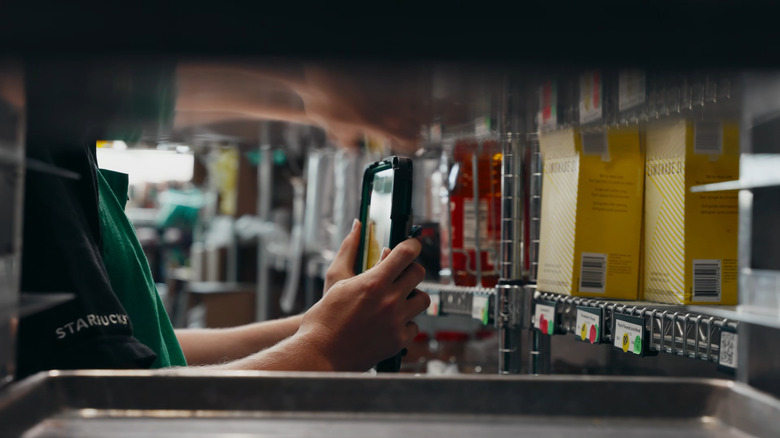
The return to manual inventory management processes indicates that Starbucks store managers will resume traditional methods of tracking products, monitoring stock levels, and managing supply chain logistics. This represents a step backward from the company's attempt to modernize its inventory operations through automation and data-driven decision-making. The shift back to conventional practices suggests that human oversight and judgment remain irreplaceable elements of inventory control in retail food service operations.
Starbucks' experience with this failed AI initiative reflects a broader trend in the technology sector where artificial intelligence implementations sometimes fall short of their projected performance metrics in practical business environments. The gap between laboratory testing and real-world application has proven to be a persistent challenge for companies investing in AI solutions, particularly in industries with complex, variable operational conditions like food service retail.
The nine-month timeline before discontinuation suggests that the company conducted a thorough evaluation period to assess whether the system could be salvaged or improved. However, Starbucks ultimately determined that the costs and challenges associated with maintaining the AI tool outweighed its benefits, prompting the decision to revert to more traditional inventory management approaches that have proven more reliable in their store environments.
For other major retailers and restaurant chains considering similar AI-driven inventory solutions, Starbucks' experience serves as a cautionary tale about the importance of conducting extensive pilot testing before full-scale rollout. The company's decision demonstrates that even large organizations with significant capital investments and technical resources cannot guarantee success when implementing new technologies, particularly those involving complex machine learning algorithms that must adapt to diverse store environments.
The implications of this decision extend beyond Starbucks itself, potentially influencing how other hospitality and retail companies approach technology adoption. Vendors and startups developing inventory management AI systems may face increased scrutiny and skepticism from potential corporate clients who will demand more concrete evidence of reliability and measurable return on investment before committing to large-scale implementations.
Starbucks' pivot away from this AI system underscores the importance of maintaining realistic expectations about what technology can accomplish in operational contexts. Inventory management challenges in retail settings involve numerous variables including customer demand fluctuations, supply chain disruptions, product seasonality, and regional preferences that can be difficult for automated systems to navigate effectively without continuous human intervention and adjustment.
The company's decision also highlights the potential hidden costs associated with AI implementation that extend beyond the initial software licensing or development fees. Integration expenses, staff training, system maintenance, troubleshooting, and the opportunity costs of managing implementation challenges can accumulate significantly, potentially exceeding the financial benefits that the technology generates through efficiency gains.
Moving forward, Starbucks will focus on optimizing its traditional inventory management practices while likely exploring other technological enhancements that may prove more straightforward to implement and measure. The company's experience suggests that not every technological solution, regardless of its sophistication or promise, will necessarily improve operational outcomes when applied to real-world business challenges.
This development also reflects broader industry discussions about the appropriate balance between human expertise and automated systems in critical business operations. While AI and machine learning technologies offer tremendous potential for improving efficiency and reducing costs, their implementation requires careful consideration of specific industry requirements, operational contexts, and the complexity of human decision-making in business environments.
The discontinuation of Starbucks' AI inventory tool after nine months will likely prompt other companies to reassess their own technology roadmaps and implementation strategies. Organizations may now place greater emphasis on more extensive pilot programs, longer evaluation periods, and partnerships with technology vendors who can provide stronger guarantees about system performance and reliability before committing to enterprise-wide deployments that involve thousands of locations and complex operational workflows.
Source: Engadget


