
SpaceX Postpones Starship Launch After IPO Plans

Elon Musk's SpaceX delays Starship launch just one day after announcing plans for major stock market debut. Latest updates on the delay.
SpaceX, the aerospace company led by billionaire entrepreneur Elon Musk, has announced a postponement of its highly anticipated Starship launch, marking a significant scheduling adjustment for the ambitious space exploration program. The delay comes at a particularly notable moment in the company's trajectory, occurring just one day after SpaceX unveiled its strategic plans for a landmark initial public offering on the stock market, signaling major corporate changes ahead for the private space firm.
The timing of the launch postponement has drawn considerable attention from industry observers and investors who have been closely monitoring SpaceX's operational schedule and financial developments. The decision to delay the Starship test flight reflects the meticulous planning and rigorous safety protocols that characterize modern spaceflight operations, where every element must be verified and validated before execution. This particular postponement demonstrates the company's commitment to maintaining the highest standards of operational readiness before attempting such complex and ambitious missions.
SpaceX's Starship program represents one of the most ambitious endeavors in contemporary space exploration, with the ultimate goal of enabling human missions to Mars and establishing a sustainable presence on the Moon. The fully reusable super-heavy-lift launch system has been in development for several years, with numerous test flights and iterations bringing the technology closer to operational maturity. Each test campaign provides invaluable data and insights that inform subsequent launch attempts and system improvements.
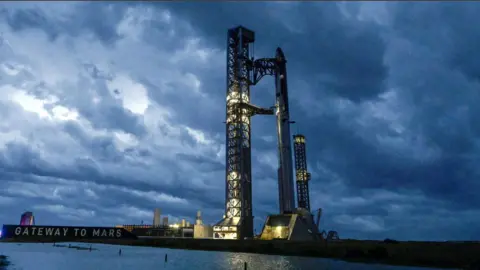
The specific reasons behind the current launch delay have not been extensively detailed by SpaceX officials, though the company maintains standard protocols for postponing launches when technical assessments, weather conditions, or safety reviews indicate that additional preparation time is necessary. Launch windows for space missions are carefully calculated based on orbital mechanics, atmospheric conditions, and numerous other technical factors that must align precisely for optimal mission outcomes. The decision to wait rather than proceed demonstrates the company's unwavering focus on mission success and crew safety considerations.
In the aerospace industry, launch delays are relatively common occurrences that rarely indicate fundamental problems with spacecraft or launch systems. Rather, they typically reflect the complexity of managing intricate technical systems and the necessity of conducting exhaustive pre-flight verifications. SpaceX has built a reputation for managing such adjustments professionally while maintaining communication with stakeholders and the interested public regarding scheduling changes.
The announcement of SpaceX's plans for a public stock market offering adds another dimension to the current operational pause, as the company navigates both its technical development timeline and its evolving corporate strategy. Going public represents a transformative step for any private company, requiring extensive preparation, regulatory compliance, and strategic communications with potential investors. The convergence of these two significant corporate events underscores the dynamic nature of SpaceX's current phase of development and growth.
Industry analysts have been evaluating how SpaceX's potential public listing might influence its operational priorities and strategic direction in the coming months and years. A successful IPO could provide SpaceX with additional capital resources to accelerate development of critical technologies and expand its facilities and workforce. The company's ambitious goals for space exploration would benefit substantially from the financial infrastructure and expanded investment capacity that public company status typically affords.
Elon Musk's leadership of SpaceX has consistently emphasized the importance of advancing human spaceflight capabilities and making space transportation more affordable and reliable than traditional methods. The billionaire entrepreneur has set remarkably ambitious timelines for various milestones, though the company has learned to balance aggressive goals with the practical realities of developing cutting-edge aerospace technology. His vision for Mars colonization has motivated the Starship development program and continues to inspire the company's long-term strategic planning.
The Starship system consists of two fully reusable components: the Super Heavy booster and the Starship upper stage, each capable of powered flight and controlled landing. This design philosophy represents a fundamental shift in space transportation architecture, moving away from expendable rocket designs toward a model where both stages can be recovered and rapidly reused. The technical challenges associated with achieving this vision are immense, requiring innovations in materials, propulsion systems, structural design, and autonomous flight control.
SpaceX has conducted numerous test flights of various Starship configurations, each providing crucial data about vehicle performance, propulsion system behavior, and structural integrity under extreme conditions. The accumulation of flight test data has been instrumental in refining the design and improving the reliability of the system with each iteration. Engineers and technicians at SpaceX's facilities work continuously to incorporate lessons learned from previous tests into subsequent flight vehicles.
The broader context of this launch delay includes the increasingly competitive landscape of commercial space transportation, where multiple companies are developing advanced launch capabilities. SpaceX has maintained market leadership in this domain, but sustained innovation and reliable operations remain essential for preserving competitive advantage. The company's commitment to regular launch schedules and consistent mission success has been a key differentiator in the commercial space industry.
Looking forward, SpaceX will likely announce a revised target date for the postponed Starship launch once the company has completed whatever technical reviews or adjustments prompted the current delay. The aerospace industry and space enthusiasts worldwide closely follow SpaceX's operational schedule, as each Starship test flight represents meaningful progress toward more ambitious long-term objectives. The eventual success of the Starship program could fundamentally transform humanity's access to space and establish the technological foundation for sustained deep space exploration.
In conclusion, SpaceX's decision to postpone the Starship launch, announced amid the company's public market ambitions, reflects the complex interplay between technical excellence and strategic corporate evolution. The aerospace company continues to lead the commercial space industry through persistent innovation, rigorous safety standards, and unwavering commitment to advancing space exploration capabilities. As SpaceX navigates both its near-term operational challenges and longer-term strategic opportunities, the path forward for the company remains marked by ambitious goals and the technical expertise required to achieve them.
Source: BBC News


