
SpaceX IPO Details Revealed: SPCX Trading Plans

SpaceX IPO filing reveals company's financial details and trading plans under ticker SPCX. Discover what the public documents show about the aerospace giant's future.
SpaceX has officially revealed its IPO plans through newly disclosed regulatory filings, providing investors and industry observers with unprecedented insight into the company's financial structure and future ambitions. The documentation, filed with the Securities and Exchange Commission, outlines the framework for the company's entry into public markets under the ticker symbol SPCX, marking a significant milestone in the commercial spaceflight industry.
The IPO filing represents a comprehensive overview of SpaceX's operational metrics, revenue streams, and strategic objectives. Through these public documents, stakeholders can now examine detailed financial information about Elon Musk's aerospace venture, which has transformed from a startup struggling to achieve its first successful orbital launch into a dominant force in satellite deployment, space tourism, and government contracts. The paperwork provides clarity on valuation factors, growth projections, and the company's path toward sustained profitability in the competitive space economy.
This disclosure comes at a pivotal moment for the commercial space industry, which has experienced explosive growth over the past decade. The SpaceX trading announcement signals the company's confidence in its market position and its ability to attract institutional investors. The filing details how SpaceX has diversified its revenue portfolio beyond government contracts to include commercial satellite launches, Starlink internet services, and space tourism ventures through its Inspiration4 and other crewed missions.
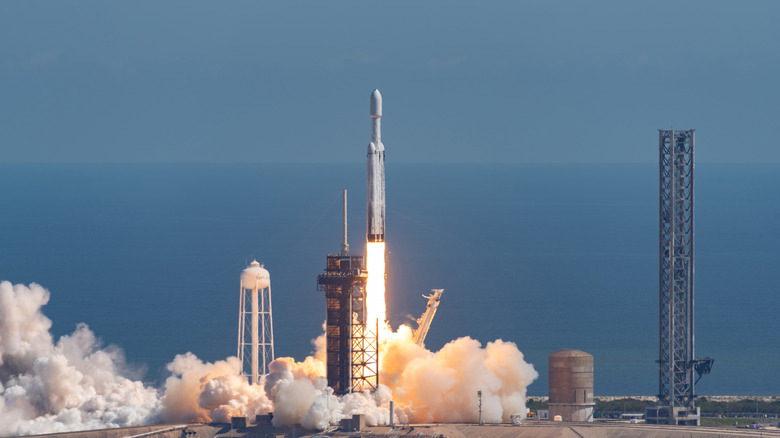
The SPCX ticker symbol selection reflects the company's desire for brand recognition and accessibility to retail investors. Previous IPOs in the aerospace and defense sector have demonstrated strong investor appetite for companies involved in space exploration and satellite technology. SpaceX's public offering documents highlight the company's technical achievements, including the successful development and deployment of reusable Falcon 9 rockets, the creation of Starlink's global satellite internet constellation, and ongoing development of the Starship vehicle for deep space exploration.
Financial analysts have scrutinized the regulatory filings to understand SpaceX's revenue composition and profitability trajectory. The documents reveal that the company generates substantial income from multiple sources: national security launches for the U.S. Space Force, NASA contracts for cargo and crew transportation to the International Space Station, commercial satellite deployment services for telecommunications companies, and growing revenue from Starlink subscriptions. This diversification has positioned SpaceX as a more resilient business model compared to traditional aerospace contractors who rely heavily on government spending.
The aerospace company's IPO timing appears strategic, coinciding with increased global interest in space infrastructure and renewed government spending on space programs. Several nations have announced ambitious plans to establish or expand their space capabilities, creating demand for reliable launch services. SpaceX's existing customer base, which includes NASA, the Department of Defense, and numerous international space agencies, provides a stable foundation for future revenue growth and operational expansion.
Regulatory observers note that the public offering documents contain standard risk disclosures about the space industry, including technical challenges, regulatory uncertainties, and competitive pressures. The filings address potential risks related to launch failures, regulatory changes, international competition from emerging space nations, and the long-term viability of some of SpaceX's ambitious projects. Notably, the company addresses risks associated with Starship development, which represents a significant capital investment with uncertain timelines for commercial viability.
The disclosure also highlights SpaceX's significant government relationships and the importance of maintaining favorable regulatory treatment from the Federal Aviation Administration and other space authorities. Government contracts represent a substantial portion of near-term revenue, making continued positive relationships with federal agencies critical to the company's financial performance. The filings demonstrate how SpaceX has successfully navigated complex regulatory environments while advancing technological innovation at an unprecedented pace.
Industry experts point out that SpaceX's market entry as a publicly traded company will likely attract attention from institutional investors seeking exposure to space economy growth. The global space industry is projected to grow substantially over the coming decades, driven by increasing demand for satellite-based services, emerging space tourism markets, and government investments in lunar exploration and Mars missions. SpaceX's position as the leading commercial launch provider positions the company to capture significant market share in these expanding segments.
The investor documentation provides detailed information about SpaceX's workforce, facilities, and technological capabilities. The company employs thousands of engineers, technicians, and support staff across multiple facilities in California, Texas, Florida, and other locations. These facilities house advanced manufacturing operations for rocket production, integration facilities for spacecraft assembly, and mission control centers for launch and flight operations. The company's significant capital investments in infrastructure underscore its commitment to scaling production capacity to meet growing customer demand.
SpaceX's public company status will bring enhanced transparency and reporting requirements but also broader access to capital markets. The company has demonstrated remarkable financial discipline despite maintaining aggressive development timelines and pursuing moonshot projects. Revenue growth has been substantial, driven primarily by increased national security launch contracts and the expansion of Starlink services. The publicly available financial data will allow investors to track the company's progress toward sustained profitability while maintaining funding for long-term research and development initiatives.
The IPO filing also addresses intellectual property, highlighting SpaceX's extensive patent portfolio covering rocket propulsion, reusable vehicle technology, and various aerospace innovations. These intellectual property assets provide competitive advantages and potential licensing opportunities. The company has successfully defended its patent rights against competitors while maintaining a culture of rapid innovation and iterative development that has distinguished it from traditional aerospace contractors.
Looking forward, SpaceX's entry into public markets under the SPCX ticker symbol represents a maturation of the commercial space industry. The company's public status will facilitate strategic partnerships, acquisition opportunities, and collaborative ventures with other aerospace companies, technology firms, and international partners. Investors will have unprecedented visibility into a company that has fundamentally transformed how space access is achieved, making satellite deployment, space tourism, and exploration missions more affordable and accessible than ever before.
Source: Engadget


