
SpaceX Finally Reveals Finances Ahead of IPO

SpaceX breaks 24 years of secrecy, filing detailed S-1 documents with the SEC before anticipated June IPO launch.
In a historic moment for the aerospace industry, SpaceX has taken an unprecedented step by lifting the veil on its closely guarded financial operations. After maintaining near-complete secrecy about its accounts for nearly a quarter of a century, the company led by Elon Musk submitted a comprehensive S-1 filing to the US Securities and Exchange Commission on Wednesday afternoon. This nearly 400-page regulatory document marks the company's formal entry into the public market arena, signaling a dramatic shift in transparency for one of the world's most influential space exploration enterprises.
Founded in 2002, SpaceX has spent over two decades operating as a private entity, carefully controlling information about its financial performance and business operations. The company's reluctance to disclose its financial metrics has long been a defining characteristic, contrasting sharply with other aerospace contractors and technology companies that operate under greater regulatory scrutiny. Now, with the prospect of an initial public offering potentially occurring as soon as June 12, SpaceX has been compelled to open its books to public scrutiny, providing investors and industry analysts with an unprecedented look at the company's monetary performance and operational structure.
The S-1 filing represents a pivotal moment in SpaceX's evolution from a secretive startup to a publicly traded corporation. This regulatory requirement ensures that potential investors receive comprehensive information about the company's financial health, risks, and growth prospects. The document's submission demonstrates SpaceX's commitment to meeting the rigorous disclosure standards imposed by the Securities and Exchange Commission, even as it prepares to transform from a privately held entity into a publicly accountable company.

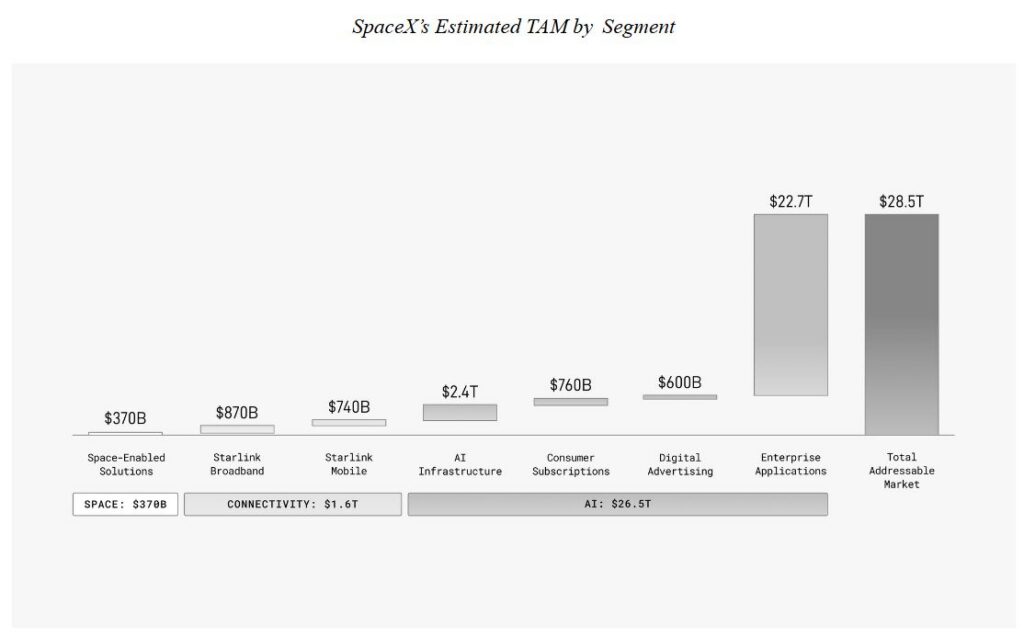
According to industry analysts, the filing reveals that SpaceX's operations have expanded far beyond its original mission of providing commercial rocket launches. The company now encompasses a diverse portfolio of business segments, including satellite launch services, human spaceflight operations, space-based Internet infrastructure, and increasingly, ventures into artificial intelligence and social media platforms. This diversification represents a strategic evolution that reflects both the company's ambitions and its response to evolving market opportunities in the broader technology and aerospace sectors.
One particularly significant development outlined in the filing involves SpaceX's recent acquisition of xAI, a venture associated with Elon Musk. This acquisition marks SpaceX's formal entry into the artificial intelligence and social media sectors, expanding the company's operational scope well beyond traditional space industry boundaries. The move underscores Musk's broader vision of integrating advanced technologies across his various business interests, creating synergies between space exploration, digital communications, and artificial intelligence development.
The S-1 filing, while comprehensive in scope, did not contain major revelations that significantly altered market expectations regarding SpaceX's core space operations. Instead, the document provided a detailed accounting of the company's organizational structure, revenue streams, operational challenges, and growth trajectories. This granular level of detail offers investors and stakeholders a more complete understanding of how SpaceX generates revenue, manages its extensive infrastructure, and allocates resources across its various business units.
The timing of SpaceX's IPO filing comes at a particularly dynamic moment in the commercial space industry. The sector has experienced unprecedented growth, driven by increasing demand for satellite communications, interest in space-based internet services, and growing investment in lunar and deep-space exploration capabilities. SpaceX's market entry through an IPO will likely provide additional capital for expansion while also subjecting the company to the reporting requirements and corporate governance standards applicable to public companies.
Elon Musk's continued leadership of SpaceX remains a central element of the company's narrative. Despite his extensive involvement with multiple companies including Tesla, Neuralink, and The Boring Company, Musk has maintained his primary focus on SpaceX's mission of advancing human space exploration and establishing sustainable settlements on other planets. His role in the company, disclosed in the SEC filing, will likely continue to influence investor perception and company direction following the IPO.
The filing process itself represents a significant administrative and strategic undertaking for SpaceX. Preparing a nearly 400-page S-1 document requires extensive collaboration between company leadership, financial experts, legal advisors, and auditors to ensure complete and accurate disclosure of all material information. This process has forced SpaceX to systematize and document aspects of its operations that may have previously existed in less formal organizational structures, potentially enhancing operational efficiency and corporate governance practices.

For the aerospace industry more broadly, SpaceX's IPO filing signals a maturation of the commercial space sector. As one of the industry's most prominent and ambitious companies moves toward public markets, it establishes precedent for how space-based businesses can be valued and evaluated by institutional investors. This transition may encourage other private space companies to consider similar pathways to capital raising, potentially accelerating innovation and investment throughout the sector.
The anticipated June 12 IPO date, assuming regulatory approval and favorable market conditions, would represent a watershed moment for both SpaceX and the broader commercial space industry. The public offering would provide the company with substantial capital resources to fund its ambitious expansion plans, including continued development of its Starship vehicle, enhancement of its satellite internet capabilities, and pursuit of its long-term objective of enabling human settlement beyond Earth. Investors participating in the IPO will be making calculated bets on the company's ability to execute its strategic vision and achieve profitability in its various business segments.
The SEC filing also includes detailed information about the competitive landscape in which SpaceX operates. The document likely addresses competitive threats from established aerospace contractors, emerging commercial space companies, and international space agencies. Understanding SpaceX's competitive positioning is crucial for investors evaluating the company's long-term growth prospects and market viability in an increasingly crowded commercial space sector.
This unprecedented opening of SpaceX's financial records represents a transformative moment in corporate transparency for the company. After more than two decades of operating in relative secrecy, the company's decision to file detailed financial disclosures with the SEC reflects the inevitable consequences of transitioning to public ownership. For SpaceX investors, industry analysts, and space enthusiasts, the S-1 filing provides an invaluable window into the financial and operational realities of one of the world's most influential space exploration enterprises, marking the beginning of a new era of transparency for the company and the broader commercial space industry.
Source: Ars Technica


