
Southport Attack: Catastrophic Failures and Irresponsible Parents Blamed

Damning inquiry finds multiple agencies failed and killer's parents played an irresponsible role in the Southport atrocity, calling for an end to this 'culture'.
Southport attack was enabled by catastrophic failures of multiple agencies and the irresponsible role of the killer's parents, a damning inquiry has revealed. The official report condemned the 'inappropriate merry-go-round' of state bodies passing the buck and their 'frankly depressing' refusal to accept responsibility, stating: 'This culture has to end.'
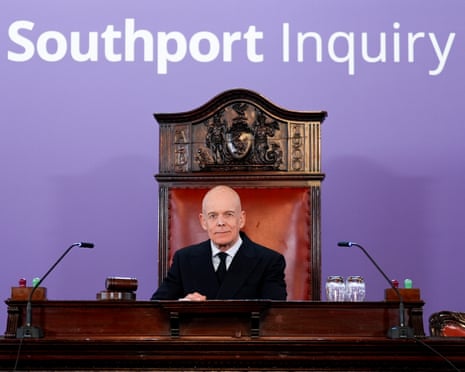
The inquiry found that Axel Rudakubana's violence had been 'unambiguously signposted over many years', yet the system 'completely failed' to prevent the Southport atrocity. Sir Adrian Fulford, who led the investigation, delivered a scathing assessment of the multiple agencies involved, accusing them of catastrophic failures and a refusal to take accountability.
The report paints a troubling picture of a dysfunctional system where various authorities passed the responsibility between them, never taking decisive action. 'This culture of buck-passing and lack of ownership has to end,' Fulford stressed, calling for a complete overhaul of the processes intended to identify and support high-risk individuals.
Rudakubana's parents were also heavily criticized for their 'irresponsible and harmful' role, with the inquiry finding that their actions - or lack thereof - contributed significantly to the tragedy. 'They were in a unique position to intervene and prevent this horrific outcome, yet they failed to do so,' the report states.

The findings of the inquiry have sparked outrage and calls for immediate action to address the systemic issues that allowed this attack to occur. Experts argue that a complete overhaul of the mental health, social services, and criminal justice systems is needed to ensure that such catastrophic failures never happen again.
'This is a wake-up call that cannot be ignored,' said one criminologist. 'The agencies tasked with protecting the public have clearly failed, and they must be held accountable. We need a fundamental shift in how we identify, monitor, and support high-risk individuals to prevent such tragedies in the future.'

The Southport attack inquiry has exposed deep-seated problems within the UK's public service system, and the findings have sent shockwaves through the community. As the country grapples with the aftermath, there is a renewed urgency to address the systemic issues that allowed this tragedy to occur and to ensure that such catastrophic failures never happen again.
Source: The Guardian


