
South Korea's 'Echo Boomers' Drive Birth Rate Rebound

South Korea sees its birth rate rise for the second consecutive year, with experts attributing the boost to a surge in children born to the 'echo boomer' generation now entering their 30s.
South Korea's birth rate has risen for the second consecutive year, with experts attributing the boost to a surge in children born to the echo boomer generation now entering their 30s. The country recorded 254,500 births in 2025, the largest annual increase in 15 years.
The fertility rate – the average number of babies a woman is expected to have in her lifetime – rose to 0.80 from 0.75 last year, returning to the 0.8 range for the first time since 2021, according to provisional figures released by South Korea's ministry of data and statistics on Wednesday.
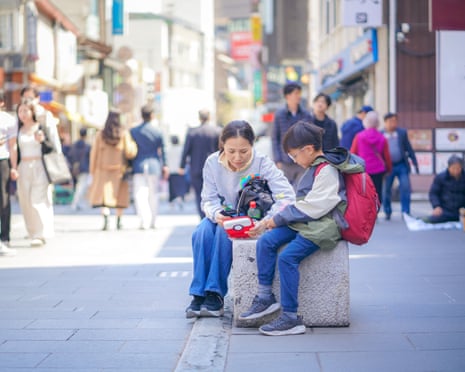
The rebound in the country, which has been facing a demographic crisis, is said to be partly because of 3.6 million South Koreans born between 1991 and 1995 – the echo boomers – now having children of their own.
Alongside the surge in the echo boomer generation, marriage rates have also recovered from the Covid-era delays, further contributing to the birth rate increase.
Experts have cautioned that the birth rate rise may be temporary, as the echo boomer generation is a one-time demographic bulge. To sustain the trend, the government will need to address deeper societal issues, such as the high cost of living, long working hours, and lack of affordable childcare, which have deterred many South Koreans from starting families.
Source: The Guardian


