
Snowpack Crisis: Warm March Leaves Western US at Risk of Severe Wildfires

After an exceptionally warm winter, March's record-breaking temperatures have left the crucial mountain snowpack at critically low levels in the American West, raising concerns about a potentially devastating wildfire season.
Concerns about the coming wildfire risk and persistently high temperatures remain high on the other side of the Pacific as well, where a rare tropical cyclone has formed.
The American West has endured an exceptionally warm winter, and the first month of meteorological spring brought record-breaking temperatures to numerous states. This remarkable intensity and longevity of the warmth have left the mountain snowpack, a crucial source of water for millions, at critically low levels.
Though precipitation typically increases in spring, the severely depleted snowpack has raised concerns about a potentially severe wildfire season if conditions do not improve soon. With further spells of abnormally warm, dry weather expected this week, the outlook is becoming increasingly worrying heading into the late spring and summer months.
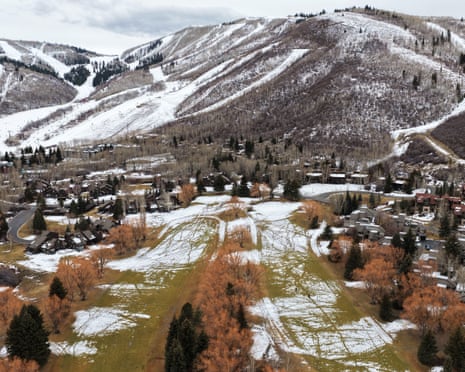
The mountain snowpack is a vital resource for the American West, providing essential water supplies for agriculture, drinking water, and hydroelectric power. When the snowpack is depleted, as it is now, it can have far-reaching consequences for the region's ecosystems, economy, and communities.
Climatologists and weather experts are closely monitoring the situation, as the prolonged heatwave and dwindling snowpack could set the stage for a potentially devastating wildfire season. Wildfires have become an increasingly common and destructive phenomenon in the West, fueled by climate change, drought, and the depletion of natural resources like the mountain snowpack.
The warm and dry conditions in the region are not limited to the United States, as high temperatures and unusual weather patterns have also been observed on the other side of the Pacific. In fact, a rare tropical cyclone has formed in the region, adding to the concerns about the overall climate dynamics and their potential impact on the coming months.
As the world grapples with the effects of climate change, the situation in the American West serves as a stark reminder of the need for comprehensive, long-term solutions to address the pressing environmental challenges we face. Policymakers, scientists, and communities must work together to find ways to mitigate the risks and adapt to the changing climate in order to protect the region's precious resources and ensure the well-being of its inhabitants.
Source: The Guardian


