
Sir Jim Ratcliffe: The Billionaire Behind Manchester United

Explore the business empire and controversial journey of Sir Jim Ratcliffe, from chemical giant INEOS to Manchester United co-ownership.
Sir Jim Ratcliffe stands as one of Britain's most influential industrialists and wealthiest individuals, having built a chemical empire that spans the globe while making headlines for his acquisition of a significant stake in Manchester United. The billionaire entrepreneur recently found himself in the spotlight for controversial immigration comments that prompted a public apology, drawing attention to both his business acumen and public statements.
Born in 1952 in Failsworth, Greater Manchester, Ratcliffe's journey to becoming one of the UK's richest individuals began with humble origins. His father worked as a joiner while his mother was an accounts office worker, providing Ratcliffe with a working-class foundation that would later influence his business philosophy. After completing his education at the University of Birmingham, where he studied chemical engineering, and later obtaining an MBA from London Business School, Ratcliffe embarked on a career that would ultimately reshape the global chemicals industry.
The foundation of Ratcliffe's vast fortune lies in INEOS, the petrochemicals giant he established in 1998. Starting with a modest investment and leveraging his engineering background, Ratcliffe transformed what began as a small chemicals business into one of the world's largest private companies. INEOS operates across multiple sectors, including petrochemicals, specialty chemicals, and oil refining, with facilities spanning Europe, North America, and Asia. The company's success has been built on strategic acquisitions, operational efficiency, and Ratcliffe's ability to identify undervalued assets in the chemicals sector.
Through a series of bold acquisitions and strategic investments, INEOS expanded rapidly throughout the 2000s and 2010s. Ratcliffe demonstrated a particular talent for acquiring struggling chemical plants and refineries from larger corporations, then improving their operational efficiency and profitability. This approach allowed INEOS to become a dominant force in the global petrochemicals market, with revenues exceeding $60 billion annually at its peak. The company's portfolio includes everything from basic chemicals used in everyday products to specialized materials for aerospace and automotive industries.
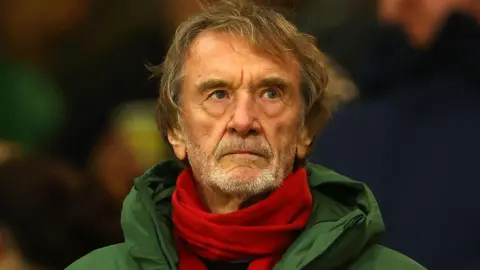
Ratcliffe's wealth, estimated at over £12 billion, has afforded him the luxury of pursuing various high-profile investments and interests beyond the chemicals industry. His passion for sports led him to acquire the cycling team formerly known as Team Sky, rebranding it as Team INEOS and later INEOS Grenadiers. The team has achieved remarkable success under his ownership, winning multiple Tour de France titles and establishing itself as one of the premier cycling organizations in the world.
The Manchester United investment represents perhaps Ratcliffe's most visible foray into sports ownership. In early 2024, he completed a deal to acquire approximately 25% of the legendary football club, with the agreement also granting him control over football operations. This investment, worth over £1 billion, fulfilled a long-held ambition for the lifelong United fan and positioned him as a key figure in the club's future direction. His involvement has been closely watched by fans hoping for improved performance both on and off the pitch.
Beyond sports, Ratcliffe has diversified his interests into automotive manufacturing through the development of the INEOS Grenadier, a rugged 4x4 vehicle designed to fill the gap left by the discontinuation of the original Land Rover Defender. The project represents a significant departure from his core chemicals business, demonstrating his willingness to invest in new sectors and challenge established automotive manufacturers. The Grenadier has been positioned as a premium utility vehicle targeting both commercial and recreational markets.
However, Ratcliffe's public profile has not been without controversy. His decision to relocate to Monaco in 2020 drew criticism from those who viewed it as tax avoidance, particularly given his previous statements about supporting British industry and workers. The move was estimated to save him hundreds of millions in tax obligations, sparking debates about wealthy individuals' responsibilities to their home countries.
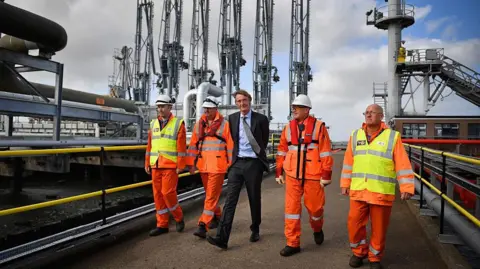
The recent immigration comments that prompted his public apology have once again thrust Ratcliffe into public discourse. While the specific details of his statements have not been fully disclosed, the fact that such a prominent business figure felt compelled to apologize suggests the comments were significant enough to potentially damage his reputation and business interests. This incident highlights the scrutiny that comes with being a high-profile billionaire in today's social media-driven environment.
Ratcliffe's business philosophy has consistently emphasized operational excellence, strategic acquisitions, and long-term value creation. His approach to running INEOS involves maintaining lean corporate structures while investing heavily in plant improvements and efficiency gains. This strategy has allowed the company to compete effectively against larger multinational corporations and maintain profitability even during challenging market conditions.
The petrochemicals industry faces increasing pressure regarding environmental sustainability, and Ratcliffe has acknowledged the need for INEOS to adapt to changing expectations. The company has invested in carbon capture technologies, hydrogen production facilities, and recycling initiatives as part of its efforts to reduce environmental impact. These investments represent both a response to regulatory pressures and an attempt to position INEOS for future market conditions.
Looking toward the future, Ratcliffe's influence extends beyond his business empire to include his role as a prominent voice in British industry. His opinions on economic policy, industrial strategy, and business regulation carry significant weight given his success in building and operating large-scale manufacturing operations. However, his recent controversial statements serve as a reminder that public figures must carefully consider the broader implications of their words.

The intersection of Ratcliffe's various business interests creates a complex web of investments and strategic considerations. His ownership stake in Manchester United brings both prestige and responsibility, as millions of fans worldwide scrutinize every decision related to the club's management and direction. Similarly, his cycling team continues to compete at the highest levels of professional sport, requiring ongoing investment and strategic planning to maintain its competitive edge.
As one of Britain's wealthiest individuals, Ratcliffe's actions and statements inevitably carry broader implications for public discourse about wealth, responsibility, and business leadership. His apology regarding immigration comments demonstrates an awareness of this responsibility, even as it raises questions about the original statements and their context. The incident serves as a case study in how quickly public opinion can shift and the importance of careful communication for high-profile business leaders.
The future trajectory of Ratcliffe's empire will likely depend on his ability to navigate both business challenges and public scrutiny while maintaining the operational excellence that built his fortune. With interests spanning chemicals, sports, automotive manufacturing, and now football, his influence extends across multiple sectors of the economy. His continued success will require balancing these diverse interests while adapting to changing market conditions and social expectations.
Source: BBC News


