
Russian Village Loses All Its Men to Ukraine War

Sedanka, a remote Russian village, faces demographic collapse as virtually all fighting-age men depart to join the conflict in Ukraine.
In the windswept expanse of Russia's Far East, the remote village of Sedanka stands as a haunting testament to the human cost of the ongoing Ukraine conflict. This small community, once vibrant with the voices and labor of its men, now echoes with an eerie silence as virtually all of its fighting-age men have departed to join the war effort. The demographic transformation has left behind a village populated primarily by women, children, and elderly residents, creating a social and economic crisis that mirrors similar situations across rural Russia.
The exodus from Sedanka began gradually but accelerated dramatically following Russia's mobilization orders. What started as voluntary enlistments driven by economic necessity and patriotic fervor has evolved into a near-complete depletion of the village's male workforce. Local residents describe watching as neighbors, friends, and family members disappeared one by one, leaving behind empty homes and unfinished projects. The agricultural work that once sustained the community now falls to aging shoulders and willing hands of women who must balance traditional domestic responsibilities with the physical demands of farming.
Sedanka's transformation reflects broader demographic challenges facing rural Russia, where economic opportunities remain limited and military service offers one of the few pathways to steady income. For many young men in these remote communities, the Ukraine war represents not just a patriotic duty but a practical solution to financial hardship. The promise of military wages, death benefits for families, and potential advancement opportunities has proven irresistible to men struggling with unemployment and poverty in Russia's economically neglected regions.
The village's remaining residents face mounting challenges as essential services and infrastructure deteriorate without adequate manpower. Agricultural production has declined sharply, with fields lying fallow and livestock operations scaled back dramatically. Local businesses have shuttered their doors, unable to operate without sufficient workers or customers. The social fabric of the community continues to unravel as traditional gender roles shift out of necessity, forcing women to assume responsibilities they never anticipated.
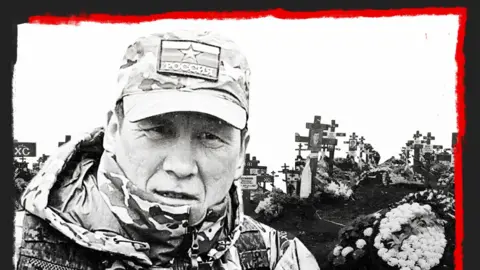
Economic hardship compounds the emotional toll of separation and loss. Families depend heavily on military payments sent home by deployed men, creating a complex relationship between financial survival and the war effort. These remittances often represent the only reliable income source for households, making the departure of men both devastating and economically necessary. Village elders speak of a cruel irony where the community's survival depends on sending away its most vital members.
The psychological impact on remaining residents cannot be overstated. Children grow up without father figures, wives manage households alone, and elderly parents worry constantly about sons and grandsons fighting in distant battlefields. Community gatherings, once filled with laughter and celebration, now carry an undercurrent of anxiety and grief. Religious services have become focal points for collective mourning and prayer, with local priests reporting increased attendance among women seeking solace and community support.
Communication with deployed men remains sporadic and heavily censored, adding another layer of uncertainty to daily life. Families rely on brief phone calls, occasional letters, and social media messages to maintain connections with their loved ones. The lack of reliable information about casualties and conditions at the front creates persistent anxiety throughout the village. News of deaths or injuries spreads quickly through the tight-knit community, serving as stark reminders of the war's proximity despite its geographic distance.
Local government officials acknowledge the crisis but offer few concrete solutions. Regional authorities have discussed potential support programs for affected communities, including agricultural subsidies and social services expansion. However, implementation remains slow and inadequate compared to the scale of need. The broader Russian government's focus on military objectives leaves little attention for addressing the domestic consequences of mass mobilization in rural areas.
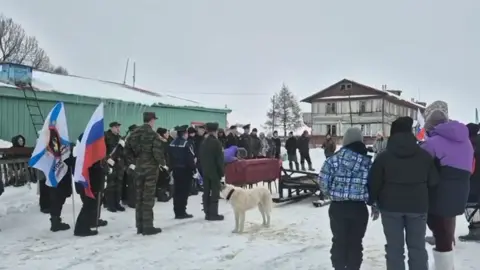
The situation in Sedanka highlights the uneven burden of Russia's military campaign across different social and geographic segments of the population. Urban centers and wealthy regions have largely avoided the wholesale demographic changes experienced in remote rural communities. This disparity creates additional resentment and social tension, as residents of places like Sedanka feel disproportionately sacrificed for national objectives that seem distant from their daily concerns.
Educational institutions in the village struggle to maintain operations with reduced enrollment and limited resources. The local school, once serving multiple grades, now operates with skeleton staff and aging facilities. Young people increasingly view education as a pathway out of the community rather than preparation for contributing to local development. This brain drain exacerbates long-term prospects for recovery and sustainability.
Healthcare services have also deteriorated significantly, with the village medical clinic operating with minimal staff and equipment. Pregnant women and elderly residents requiring specialized care must travel considerable distances to access appropriate treatment. The absence of young men traditionally responsible for transportation and emergency assistance compounds these challenges, creating potential life-threatening situations for vulnerable community members.
Agricultural traditions passed down through generations face extinction as knowledge holders depart for military service. Seasonal farming practices, livestock management techniques, and local environmental wisdom risk disappearing without proper transmission to younger generations. The cultural implications extend beyond immediate economic concerns, threatening the preservation of regional identity and heritage.
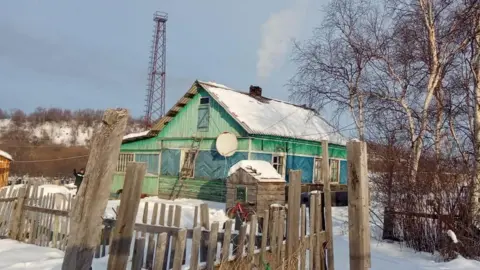
Women in Sedanka have demonstrated remarkable resilience and adaptability in responding to these unprecedented challenges. They have formed informal support networks, sharing childcare responsibilities, pooling resources for major purchases, and collaborating on agricultural work. These grassroots initiatives provide essential services that official institutions can no longer deliver effectively. However, the physical and emotional strain of carrying such burdens shows increasingly on community members.
The village's experience reflects broader questions about Russia's long-term demographic and social stability. Military conflicts inevitably create winners and losers, but the concentrated impact on rural communities raises concerns about sustainable development and social cohesion. Sedanka's transformation from a functioning agricultural community to a demographic shadow illustrates the hidden costs of geopolitical ambitions.
International observers note similarities between Sedanka's situation and historical examples of communities devastated by prolonged military conflicts. The pattern of rural depopulation, economic collapse, and social disruption follows predictable trajectories that often prove irreversible even after hostilities end. Recovery requires sustained investment and policy attention that may not materialize given competing priorities and limited resources.
As winter approaches in Russia's Far East, Sedanka faces additional challenges related to heating, snow removal, and emergency response capabilities. The physical demands of surviving harsh weather conditions traditionally fell heavily on male community members. Their absence creates potentially dangerous situations for remaining residents, particularly elderly individuals living alone. Local authorities express concern about their ability to provide adequate emergency services during severe weather events.
The story of Sedanka serves as a microcosm of broader social transformations occurring across rural Russia as the Ukraine conflict continues. Similar villages throughout the country face comparable challenges, suggesting that the demographic and economic impacts of military mobilization extend far beyond immediate battlefield casualties. These communities represent collateral damage in a conflict whose consequences ripple through every aspect of Russian society.
Future prospects for Sedanka and similar communities remain uncertain, dependent largely on the war's duration and intensity. Even if hostilities ended tomorrow, rebuilding social and economic structures would require years of dedicated effort and substantial investment. The village's experience demonstrates how modern warfare's impacts extend far beyond traditional military theaters, reshaping entire societies in ways that may prove lasting and profound.
Source: BBC News


