
Russian Tennis Stars Delayed at Indian Wells After Middle East Chaos

Daniil Medvedev and Andrey Rublev miss pre-event exhibition at Indian Wells due to travel disruptions from US-Iran conflict in the Middle East.
The recent escalation of tensions between the United States, Israel, and Iran has had a direct impact on the tennis world, as Russian stars Daniil Medvedev and Andrey Rublev were delayed in arriving at the prestigious Indian Wells Open in southern California.
The two top-ranked Russian players were among those affected by the widespread flight cancellations and airspace closures across parts of the Middle East, disrupting a key transit hub for international travel. As a result, Medvedev and Rublev missed the pre-event exhibition match scheduled for Tuesday night.
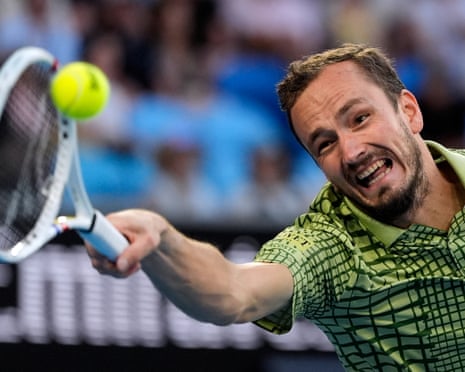
The conflict in the Middle East has created significant logistical challenges for athletes and officials trying to make their way to the Indian Wells tournament. In addition to the Russian stars, a challenger event in Dubai was also cancelled due to the security alert surrounding the US and Israeli airstrikes on Iran over the weekend.
Despite the travel hurdles, tournament organizers are confident that Medvedev, Rublev, and the rest of the field will be able to compete in the main draw of the Indian Wells Open, which is set to begin on Thursday. The event is one of the most prestigious tournaments on the ATP and WTA tours, often referred to as the "Fifth Grand Slam" of tennis.

As the situation in the Middle East continues to evolve, the impact on international sporting events like Indian Wells will likely be a key story to monitor. The ability of players to safely and reliably travel to and from major tournaments could have significant implications for the remainder of the tennis season.
For now, the focus remains on the players who have managed to arrive in Indian Wells, as they prepare to compete for one of the most coveted titles in the sport. The tournament promises to be a thrilling showcase of the world's top tennis talent, even with the logistical challenges posed by the ongoing geopolitical tensions.
Source: The Guardian


