
Rubio Courts India With Energy Deals Amid Iran Oil Crisis

US Secretary of State Rubio pitches energy partnerships to India as geopolitical tensions impact global oil markets. Explores strategic implications of US-India energy cooperation.
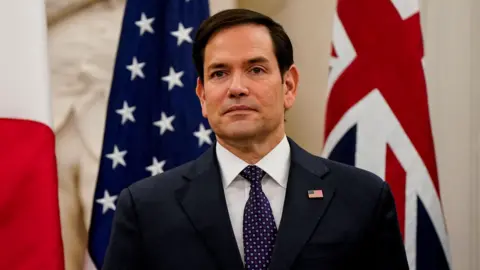
The United States' top diplomat has embarked on a significant visit to India, bringing with him an ambitious agenda centered on energy cooperation and strategic partnership. Secretary of State Marco Rubio's statements regarding energy support have sparked considerable debate about the implications for India's foreign policy and its delicate diplomatic balance in an increasingly complex geopolitical landscape. As global energy markets remain volatile due to ongoing tensions involving Iran and its oil exports, the timing of this diplomatic initiative carries substantial weight for both nations.
Rubio's visit represents a continuation of Washington's efforts to strengthen ties with New Delhi while simultaneously addressing concerns about energy security in the region. The US-India energy partnership has become increasingly important as both nations seek to secure reliable and sustainable sources of power to fuel their respective economies. The American diplomat's statements underscore the Biden administration's commitment to supporting India's development goals through energy infrastructure and technological collaboration, positioning the partnership as mutually beneficial.
The backdrop of this diplomatic initiative reveals deeper complexities in the global energy market. The Iran oil shock has created significant disruptions in traditional supply chains, forcing countries across Asia to reassess their energy procurement strategies. India, as a major consumer of crude oil and a rapidly developing economy, faces particular pressure to secure alternative energy sources that won't compromise its economic growth or political autonomy.
Historical context shows that India has maintained a pragmatic approach to energy diplomacy, carefully navigating relationships with both traditional suppliers like Iran and emerging partners. The country's energy consumption patterns have shifted dramatically over the past two decades, with increasing demand from its growing middle class and industrialization. This escalating demand has pushed Indian policymakers to explore multiple sourcing options, reducing dependence on any single supplier and enhancing national energy security.
The American proposition offers several potential advantages for India's energy sector. Access to US technology, investment in renewable energy infrastructure, and cooperation in developing new energy corridors could diversify India's energy portfolio significantly. Furthermore, strategic energy cooperation with the United States could provide India with greater leverage in international negotiations and help stabilize commodity prices in its favor.
However, New Delhi faces considerable diplomatic challenges in accepting such partnerships wholesale. India's relationship with Iran, while strained by international sanctions, remains economically significant and culturally rooted in centuries of trade and cultural exchange. The Indian government must balance its desire for American technological support and investment with its responsibility to maintain historically important regional relationships.
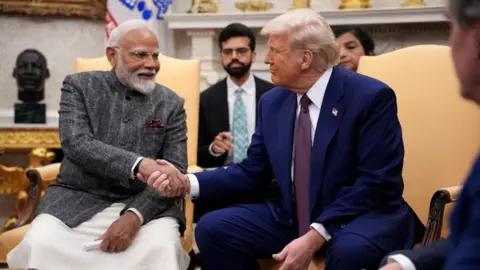
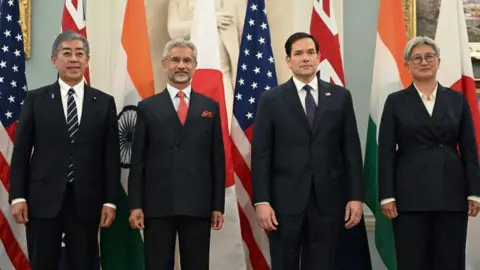
The geopolitical dimension of Rubio's energy proposal cannot be overlooked. The United States has long sought to create a stronger alliance structure in the Indo-Pacific region to counter Chinese influence and maintain regional stability. Energy partnerships often serve as the foundation for broader strategic cooperation, including defense alliances, intelligence sharing, and coordinated foreign policy initiatives. India's potential alignment with American energy interests could signal a deeper commitment to the broader US-led strategic framework in Asia.
China's growing energy demands and its Belt and Road Initiative investments have added another layer of complexity to these discussions. Beijing has aggressively pursued energy cooperation deals across Asia, securing long-term oil and gas contracts that strengthen its regional influence. For India, partnering with the United States on energy could serve as a counterbalance to Chinese economic and strategic expansion in the region, offering an alternative development model.
The renewable energy component of Rubio's proposal deserves particular attention. Both nations have publicly committed to addressing climate change and transitioning to cleaner energy sources. Renewable energy cooperation between the US and India could yield significant benefits for both countries while advancing global sustainability objectives. American expertise in solar, wind, and emerging technologies like green hydrogen could help India achieve its ambitious renewable energy targets while creating economic opportunities.
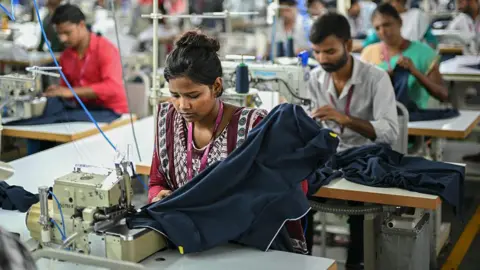
From an economic perspective, expanded energy partnerships could unlock substantial investment flows into India's energy sector. American companies possess the financial resources and technological expertise to develop India's infrastructure at scale, potentially creating millions of jobs and accelerating industrialization. Such investments could significantly boost India's GDP growth and enhance its manufacturing capabilities, positioning the nation as a more competitive global economy.
The timing of Rubio's visit also reflects broader patterns in US foreign policy. The Trump administration's return to power has emphasized strategic competition with China and strengthening relationships with democratic allies in the Indo-Pacific. India, as the world's most populous democracy, fits squarely within this strategic framework, making energy cooperation a natural extension of existing diplomatic relationships.
Yet questions remain about whether India should fully embrace the American energy proposition. Critics argue that excessive dependence on any single partner, including the United States, could limit India's strategic flexibility and autonomy in foreign policy decision-making. Additionally, energy security considerations require India to maintain diverse supplier relationships to prevent vulnerabilities that could be exploited during geopolitical crises.
India's domestic political considerations also factor into this equation. The Indian government must address concerns from various stakeholders, including those invested in existing energy relationships and those wary of closer alignment with Washington. Public opinion on foreign policy partnerships varies across India's diverse political landscape, and policymakers must build consensus before committing to major strategic shifts.
The Iran sanctions regime continues to complicate India's energy calculations. While India has reduced its purchases of Iranian oil in compliance with American sanctions, the country maintains that it should have the flexibility to engage in legitimate trade with Iran. Any formal energy partnership with the US would require careful navigation of these competing interests and potentially significant compromises from New Delhi.
Looking forward, India's response to Rubio's energy proposals will have far-reaching implications for regional geopolitics and energy markets. Whether New Delhi chooses to deepen ties with Washington on energy matters or maintains its traditional policy of strategic autonomy will influence relationships with other regional powers and shape the trajectory of India's energy security strategy for decades to come.
Source: BBC News


