
RFK Jr. Fires Vaccine Panel Leaders, Doctors Furious

Health Secretary Robert F. Kennedy Jr. terminates preventive care task force leaders, sparking outrage from major medical organizations over vaccine and screening policies.
Preventive care recommendations and medical screening protocols face significant disruption following controversial personnel decisions by Health Secretary Robert F. Kennedy Jr. Top medical organizations across the United States have expressed deep concern and alarm over the recent termination of two prominent leaders from an influential federal panel responsible for evaluating and recommending preventive health services including mammograms, colonoscopies, statin medications, and mental health screenings.
The US Preventive Services Task Force (USPSTF) stands as a critical independent body that shapes insurance coverage policies and clinical guidelines for preventive medicine throughout the nation. This nonpartisan panel has historically maintained rigorous scientific standards while determining which health screenings and preventive interventions deserve federal support and insurance reimbursement. The task force's recommendations carry substantial weight with insurance companies, healthcare providers, and policymakers who rely on its evidence-based assessments.
On Wednesday, news organizations reported that Kennedy had terminated both vice chairs of the USPSTF, creating an unprecedented leadership vacuum within the organization. The task force traditionally comprises 16 independent volunteer experts specializing in preventive medicine, serving staggered four-year terms designed to ensure continuity and institutional knowledge. Following these terminations and other vacancies, the panel now faces eight empty positions, including both the chair and vice chair roles—leaving the organization at half capacity.
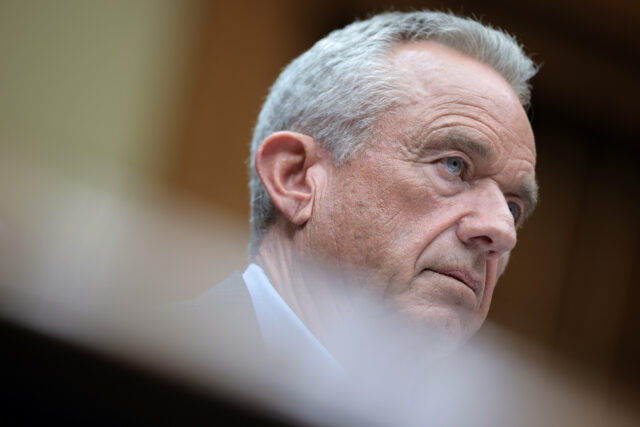
The disruptions to the task force operations extend far beyond the recent firings. Kennedy has systematically undermined USPSTF functioning by failing to appoint replacement members whose terms naturally concluded at the beginning of the calendar year. This staffing negligence prevented the panel from convening and conducting its regular business throughout the preceding year. Additionally, Kennedy's office blocked the task force from releasing finalized cervical cancer screening recommendations that had incorporated self-collected sample testing methods—a development that could expand access to cancer detection services, particularly for underserved populations.
Medical professionals and health advocacy organizations view these actions with considerable alarm, seeing them as part of a broader pattern of health policy decisions that prioritize ideology over scientific evidence. The terminations come amid growing concerns about Kennedy's well-documented skepticism toward vaccine safety and his history of promoting scientifically discredited claims about immunization risks. His appointment to lead the Health and Human Services department has already generated substantial controversy within the medical community.
The USPSTF recommendations influence billions of dollars in healthcare spending and affect the clinical decisions of millions of American patients annually. When the organization cannot function properly due to leadership vacancies, the entire healthcare system lacks authoritative guidance on which preventive interventions provide genuine clinical benefit. Insurance coverage determinations become uncertain, and patients may receive inconsistent information about health screening recommendations.
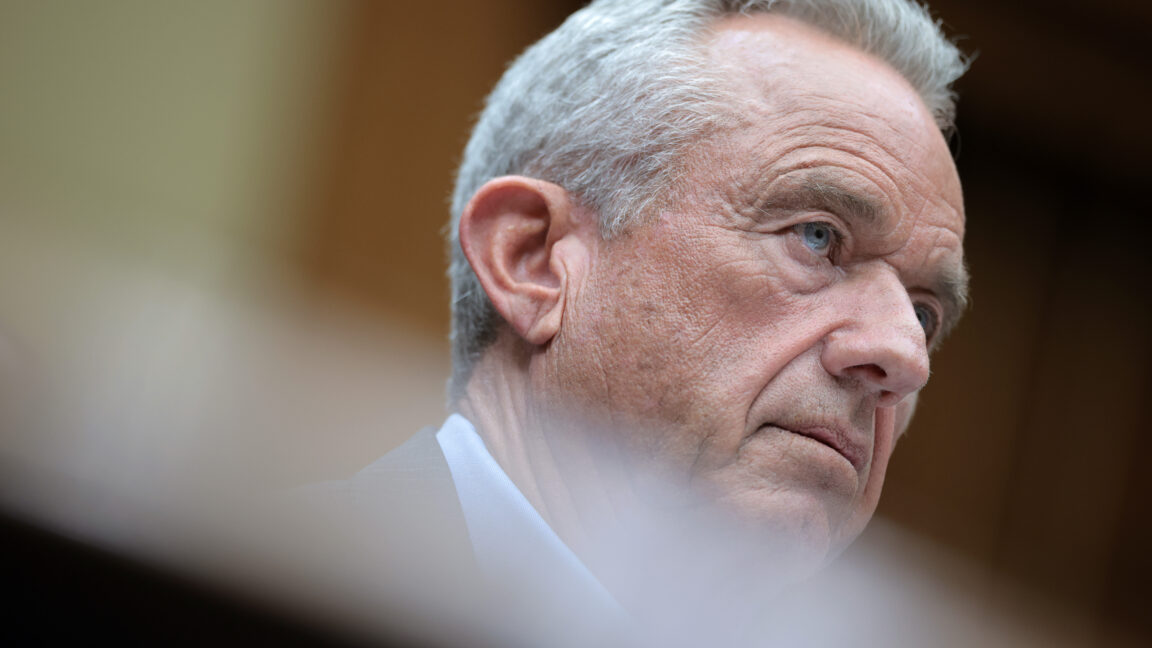
Previous iterations of the task force have rigorously evaluated scientific evidence regarding mammography, colonoscopy, depression screening, and cardiovascular prevention strategies. These evaluations sometimes generated controversy among patient advocacy groups when evidence suggested certain widely-practiced screenings might not benefit broad populations. However, the task force maintained credibility by basing all recommendations on peer-reviewed research and established epidemiological data rather than political considerations.
The sudden leadership crisis raises profound questions about the future direction of preventive medicine policy in the United States. Major medical societies, including organizations representing oncologists, cardiologists, psychiatrists, and primary care physicians, have publicly condemned the personnel actions. These organizations worry that an understaffed and potentially compromised USPSTF cannot fulfill its essential function of providing objective, evidence-based guidance on clinical preventive services.
Kennedy's history with health-related organizations and advocacy groups reveals consistent patterns of opposing mainstream medical consensus on vaccination, immunization schedules, and public health interventions. His leadership of the Health and Human Services department represents a substantial shift in federal health policy authority, particularly regarding prevention-focused initiatives. Critics argue that his tenure will fundamentally alter how the government evaluates and promotes preventive healthcare strategies.

The practical implications of USPSTF dysfunction extend throughout the American healthcare system. Insurance companies frequently use task force recommendations to determine which screening tests qualify for coverage without patient cost-sharing. When the task force cannot provide clear guidance, insurance coverage becomes inconsistent across different carriers and states. Patients and providers face confusion about which preventive services deserve prioritization and funding.
Medical schools and residency training programs also rely on USPSTF recommendations to shape clinical education and establish standard practice patterns. Residents learning contemporary preventive medicine practices depend on authoritative guidance that distinguishes between screening interventions with strong evidence support and those lacking scientific foundation. Without current task force recommendations, medical training becomes fragmented and potentially inconsistent.
The broader context of these developments reflects deepening tensions between evidence-based medical practice and political ideology within the federal government. The medical establishment generally views clinical guidelines as products of rigorous scientific evaluation, while some political actors question the independence and credibility of scientific institutions. This fundamental disagreement about how medical knowledge should be established and implemented represents a significant fault line in contemporary health policy.
Advocacy organizations representing patient interests have also expressed concerns about the USPSTF leadership changes. Groups focused on cancer prevention, heart disease, and mental health screening worry that delayed or compromised recommendations could disadvantage populations that depend on evidence-based guidance to make informed health decisions. Women's health organizations specifically raised alarms about the cervical cancer screening recommendation delays.
The restoration of full USPSTF function will require addressing the eight vacant positions through a formal appointment process. However, given the apparent reluctance to fill vacancies and the controversial nature of Kennedy's leadership, medical observers express skepticism about rapid restoration of the panel's capacity and autonomy. The task force's credibility with the medical community appears significantly compromised by recent events.
Moving forward, the medical profession faces a challenging period of uncertainty regarding federal preventive health guidance. Major medical organizations have begun developing contingency strategies for providing clinical recommendations to their members when federal guidance proves unavailable or suspect. This fragmentation of preventive medicine guidance threatens to undermine the coherence and consistency of American healthcare practice patterns.
Source: Ars Technica


