
Psilocybin Shows Promise as Cocaine Addiction Treatment

Clinical trial reveals single psilocybin dose significantly reduces cocaine use relapse rates compared to placebo in addiction treatment study.
A groundbreaking clinical trial published in JAMA Network Open this month offers compelling evidence that psilocybin, the active compound found in certain mushroom species, may represent a novel and effective therapeutic approach for treating cocaine addiction. The research challenges conventional wisdom about substance abuse treatment and opens new avenues for addressing one of the most persistent public health challenges facing modern medicine today.
The study involved a carefully controlled experimental design comparing outcomes between two distinct participant groups. Nineteen individuals who received a single dose of psilocybin therapy demonstrated significantly higher rates of cocaine abstinence compared to seventeen control participants who received diphenhydramine, a common antihistamine used as a placebo in the study. This differential response suggests that psilocybin's mechanisms of action may uniquely address the neurobiological factors underlying cocaine dependency.
Cocaine addiction represents a severe public health crisis with limited effective pharmaceutical interventions currently available. Traditional treatment approaches, which typically rely on behavioral therapy, support groups, and sometimes medication-assisted therapies, have shown modest success rates in many populations. The emergence of psychedelic-assisted therapy as a potential treatment modality represents a significant paradigm shift in addiction medicine and neuropharmacology.
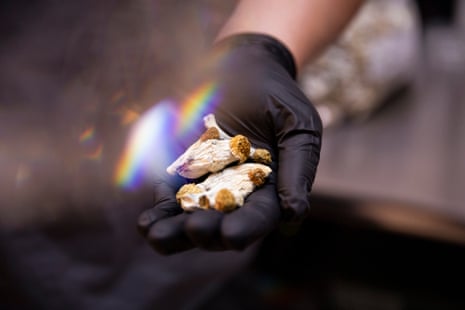
The mechanism through which psilocybin may facilitate recovery from cocaine addiction appears to involve its effects on neuroplasticity and psychological perspective. Psilocybin interacts with serotonin receptors throughout the brain, particularly the 5-HT2A receptor, which plays a crucial role in perception, emotion regulation, and cognitive flexibility. By temporarily altering neural connectivity patterns, psilocybin may help individuals break habitual thought patterns and behavioral cycles that maintain addictive behaviors.
The single-dose intervention model tested in this trial differs markedly from traditional addiction treatment protocols, which typically involve extended medication regimens or lengthy inpatient rehabilitation programs. The efficiency of delivering therapeutic benefit through a single guided session, combined with appropriate psychological support and integration therapy, could represent a cost-effective and potentially more accessible treatment option for many individuals struggling with cocaine dependency. This approach aligns with emerging research suggesting that psychedelic compounds may catalyze psychological change more rapidly than conventional therapeutic interventions.
Researchers participating in this study implemented rigorous methodological controls to ensure the validity and reliability of their findings. Participants were carefully screened and matched for baseline characteristics, and the study employed double-blind methodology to prevent experimenter bias. The use of diphenhydramine as a placebo control was particularly strategic, as it produces noticeable physiological sensations that help maintain participant blinding without producing psychoactive effects comparable to psilocybin.
The implications of these findings extend beyond simple pharmacological efficacy to encompass broader questions about mental health treatment paradigms. Addiction is increasingly understood as a condition rooted in maladaptive neural patterns, psychological trauma, and fundamental existential disconnection. Psilocybin's capacity to facilitate profound psychological insights and emotional processing may address these deeper psychological dimensions that traditional addiction medications overlook.
Previous research examining psychedelic therapy for various psychiatric conditions, including depression, anxiety, and post-traumatic stress disorder, has demonstrated similar patterns of efficacy. These studies suggest that the therapeutic potential of psilocybin may extend across multiple mental health conditions, with the compound potentially addressing common underlying mechanisms such as rigid thinking patterns, emotional avoidance, and disconnection from meaning and purpose. The current cocaine addiction study contributes to this growing body of evidence supporting psychedelic-assisted intervention.
The regulatory landscape surrounding psilocybin research has shifted considerably in recent years, with multiple jurisdictions recognizing the scientific and therapeutic merit of studying these compounds. Despite their current classification as Schedule I controlled substances in many countries, regulatory agencies have increasingly granted permission for clinical research programs investigating their potential medical applications. This shifting regulatory environment reflects growing scientific consensus that the risks of psilocybin are substantially lower than those of many currently approved medications, and that the potential therapeutic benefits justify careful clinical investigation.
The study results raise important questions about optimal clinical implementation strategies for psychedelic-assisted therapy. The provision of appropriate psychological support before, during, and after psilocybin administration appears crucial for maximizing therapeutic outcomes. Trained facilitators must create a supportive therapeutic environment, help participants interpret their experiences, and integrate insights gained during the psilocybin session into lasting behavioral and cognitive changes. This emphasis on the relational and contextual aspects of treatment reflects a more holistic understanding of how these compounds produce their therapeutic effects.
Cocaine addiction specifically has proven remarkably resistant to pharmaceutical intervention, and no FDA-approved medications currently exist that effectively reduce cocaine craving or use. The demonstrated efficacy of psilocybin in this trial therefore represents a particularly significant finding, as it suggests a potential breakthrough in an area where conventional pharmacology has struggled. The relative lack of toxicity associated with psilocybin, compared to many synthetic pharmaceutical alternatives, adds further appeal from both safety and accessibility perspectives.
Future research directions should include larger-scale trials involving more diverse participant populations, investigations of optimal dosing protocols, comparative studies with other addiction treatments, and long-term follow-up assessments to evaluate sustained abstinence rates. Additionally, research examining the mechanisms underlying psilocybin's effects on addiction pathways could inform the development of related therapeutic approaches and help identify which patient populations might benefit most from this intervention.
The publication of these findings in a peer-reviewed medical journal of JAMA Network Open's caliber signals growing scientific acceptance of psychedelic research within mainstream medical institutions. This legitimization may facilitate further funding, regulatory approval, and clinical implementation of psychedelic-assisted therapies across various addiction and mental health conditions. As evidence accumulates supporting the therapeutic potential of compounds like psilocybin, the medical and psychiatric communities may increasingly integrate these tools into standard treatment protocols for previously intractable conditions.

