
Protesters Sue DHS Over Illegal DNA Collection

Four ICE protesters filed lawsuit against Department of Homeland Security for collecting and storing DNA samples without consent, citing First and Fourth Amendment violations.
A significant civil rights case has emerged from Chicago, where four peaceful protesters have initiated legal action against the Department of Homeland Security and the Federal Bureau of Investigation. The lawsuit targets what activists and legal experts describe as an alarming overreach of governmental authority—the systematic collection, analysis, and indefinite storage of DNA samples from American citizens arrested during lawful protest activities opposing Immigration and Customs Enforcement operations.
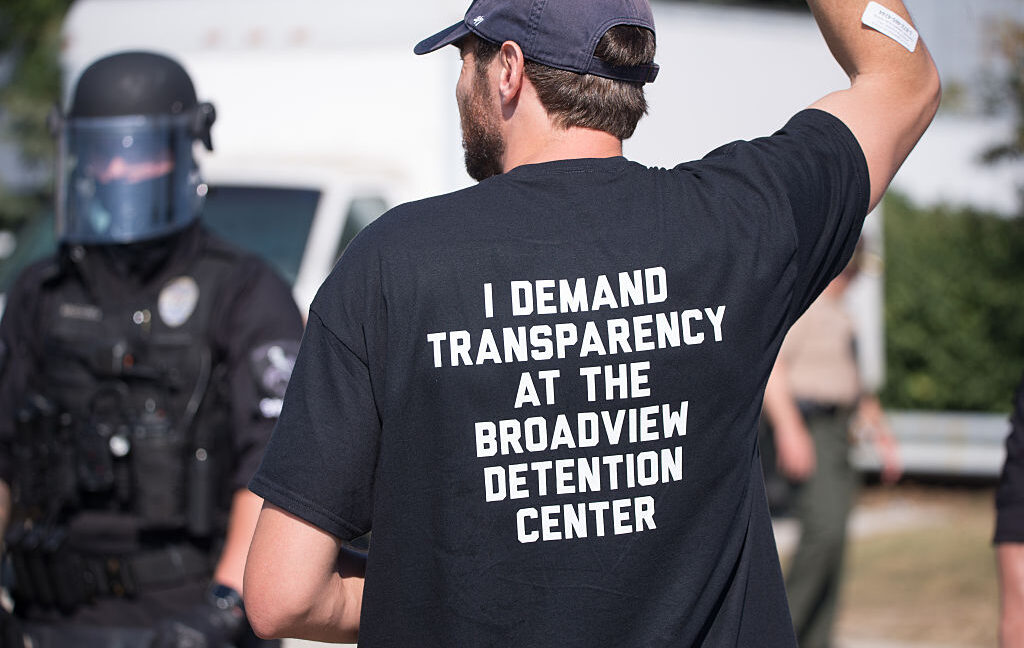
The complaint, formally submitted to the Illinois district court this week, represents a watershed moment in the ongoing debate over government surveillance powers and civil liberties protection. The protesters were arrested during their participation in demonstrations at the Broadview ICE facility during what federal agents called "Operation Midway Blitz," a coordinated enforcement action that saw thousands of federal agents mobilized throughout the Chicago metropolitan area. This operation sparked significant controversy, with civil rights organizations questioning the scope and legality of the deployment.
The legal action specifically challenges the government's conduct on multiple constitutional and procedural grounds, demanding an injunction to halt further DNA collection practices. The plaintiffs argue that their arrests were unlawful, their constitutional rights were violated, and the subsequent biometric collection violated both substantive protections and procedural requirements under federal law. This multifaceted legal challenge addresses what the protesters characterize as systematic violations of fundamental American rights.
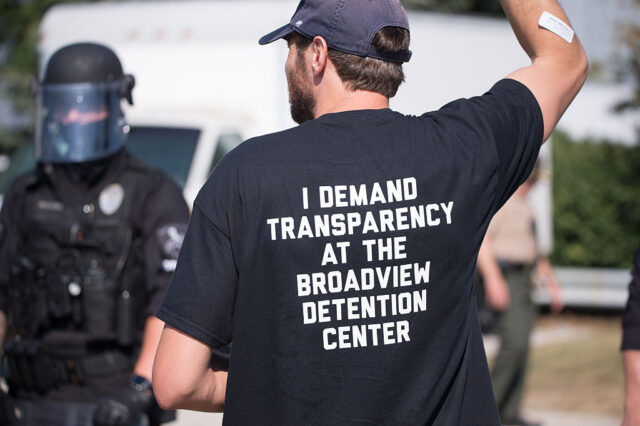
According to the complaint documentation, the alleged government misconduct includes "wrongfully arresting peaceful protesters, collecting their DNA without consent, uploading their genetic profiles to government databases, and storing their DNA samples in federal laboratories with intentions of permanent retention." The Fourth Amendment violation claims focus on the warrantless seizure of biological material, a practice that raises profound questions about bodily integrity and privacy rights in the digital age.
The First Amendment violation allegations center on the apparent targeting of political protesters for arrest based on their exercise of constitutionally protected speech and assembly rights. The plaintiffs contend that the government deliberately used the enforcement operation to suppress lawful protest activity targeting ICE operations, thereby chilling protected political expression. This argument suggests a pattern of using law enforcement tools to intimidate and discourage future protest activities.
Beyond constitutional claims, the lawsuit also invokes the Administrative Procedure Act, which governs how federal agencies must operate and make decisions. The protesters argue that the DNA collection program was implemented without proper rule-making procedures, public notice, or opportunity for public comment—procedural safeguards designed to ensure agency accountability and transparency. This administrative law violation claim addresses the broader question of how federal agencies can be held accountable for expansive surveillance programs.
The case raises critical questions about the future of biometric surveillance in America and the extent to which government agencies can leverage law enforcement databases for purposes extending far beyond their original intended scope. Genetic databases, once primarily used to solve serious crimes, have increasingly become tools for broader surveillance infrastructure. This litigation will help determine whether there are meaningful legal limits on such expansion.
Civil rights advocates have expressed serious concern about the precedent that unchecked DNA collection from protesters could establish. If the government can systematically collect genetic material from people arrested during protest activities—particularly in situations where those arrests may themselves be questionable—this creates a chilling effect on the exercise of fundamental democratic rights. The permanent storage of this genetic information compounds the concern, as it could theoretically be used for purposes unknown to the individuals from whom it was taken.
The DNA collection practice is particularly troubling because genetic information reveals far more than fingerprints or photographs. DNA data contains sensitive health information, family relationships, and biological predispositions that individuals have not consented to share. Once collected and stored, this information can potentially be misused for purposes entirely unrelated to the original arrest, including discrimination by employers, insurers, or other entities with database access.

The lawsuit details how the collected genetic profiles were uploaded into government DNA databases, potentially linking the protesters to federal surveillance systems and creating permanent records that could affect future employment, housing, insurance, or other opportunities. The integration of protest-related arrests into federal biometric databases represents a troubling merger of political activity data with law enforcement records. This integration could enable future discriminatory targeting based on political beliefs and activities.
This case occurs within the broader context of expanding government surveillance capabilities and ongoing debates about appropriate limits on law enforcement data collection. As technology advances, questions about how to balance legitimate law enforcement needs with protection of individual privacy and civil liberties become increasingly urgent. The Fourth Amendment's prohibition on unreasonable searches, a foundational protection against government overreach, will receive fresh interpretation through this litigation.
The complaint underscores the importance of robust judicial review of government surveillance practices, particularly when those practices intersect with the exercise of constitutional rights. Courts have traditionally provided heightened scrutiny to government actions that appear to target political speech or assembly, recognizing the fundamental role these rights play in democratic governance. This case will test whether those traditional protections extend to modern biometric surveillance technologies.
As this litigation proceeds, it will likely attract significant attention from civil liberties organizations, constitutional law scholars, and government agencies concerned about the scope of their own authority. The outcome could influence how federal agencies approach DNA collection from arrested individuals going forward, and whether meaningful constraints exist on the creation of genetic surveillance infrastructure. The case represents a crucial moment for determining whether DNA surveillance policies will be subject to meaningful legal limitations or permitted to expand without clear statutory or constitutional boundaries.
Source: Ars Technica


