
Project 2025: Trump's Immigration Roadmap in Action

Analysis reveals how Project 2025's conservative blueprint has shaped Trump's immigration policies and Venezuela strategy in his second presidential term.
As Donald Trump's second presidential term reaches its first anniversary, political analysts and policy experts are documenting a remarkable implementation rate of the controversial Project 2025 agenda. According to multiple independent observers, approximately half of the conservative blueprint's proposed policies have already been enacted or are in various stages of implementation, with immigration enforcement and foreign policy directives leading the charge.
The Project 2025 roadmap, initially developed by the Heritage Foundation and other conservative think tanks during Trump's time out of office, has emerged as perhaps the most influential policy document in modern American politics. What began as a theoretical framework for conservative governance has rapidly transformed into the operational manual for the Trump administration's domestic and international priorities.
Venezuela has become a focal point of the administration's foreign policy approach, directly reflecting Project 2025's emphasis on aggressive intervention in Latin American affairs. The document's authors explicitly called for expanded sanctions, diplomatic isolation, and support for opposition movements throughout the region, policies that have been systematically implemented since Trump's return to the White House.
Immigration enforcement represents perhaps the most visible manifestation of Project 2025 implementation. The comprehensive immigration crackdown currently underway mirrors the document's detailed recommendations for border security, deportation procedures, and asylum restrictions. Federal agencies have been restructured to prioritize enforcement activities, with new protocols governing everything from workplace raids to detention facility operations.
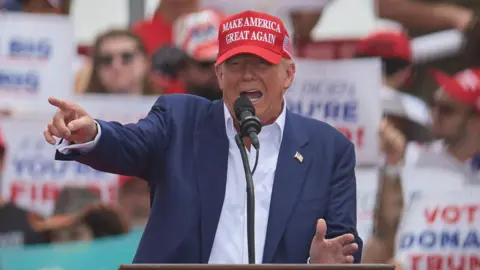
The speed and scope of policy implementation has surprised even seasoned political observers who expected bureaucratic resistance and legal challenges to slow the process. Instead, the Trump administration appears to have learned from its first term's organizational difficulties, arriving in office with detailed implementation strategies and pre-vetted personnel ready to execute the conservative policy agenda.
Constitutional law experts have raised concerns about the pace of change, noting that many policies are being implemented through executive orders and administrative directives that bypass traditional legislative processes. This approach, while legally permissible in many cases, represents a significant expansion of executive power that echoes Project 2025's call for strengthened presidential authority.
The document's influence extends far beyond immigration and foreign policy, encompassing regulatory rollbacks, environmental policy reversals, and significant changes to federal agency operations. Education Department restructuring, Environmental Protection Agency downsizing, and Department of Justice reorganization all reflect specific recommendations contained within the Project 2025 framework.
Venezuela's political crisis has provided the Trump administration with opportunities to test Project 2025's more aggressive foreign policy recommendations. Enhanced sanctions targeting the Maduro regime, increased support for opposition groups, and expanded diplomatic pressure campaigns all align with the document's strategic vision for Latin American engagement.
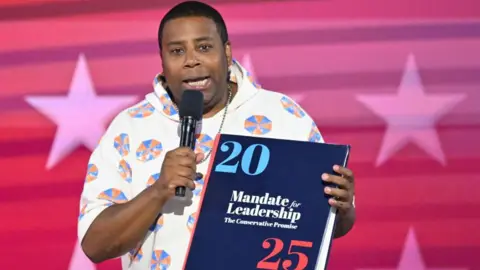
Critics argue that the rapid implementation of Project 2025 policies represents a fundamental departure from traditional American governance norms. Democratic lawmakers and civil rights organizations have filed numerous legal challenges, claiming that many policies violate constitutional protections and exceed executive authority.
The immigration crackdown has particularly drawn scrutiny from human rights organizations and immigration advocacy groups. Mass deportation operations, expanded detention facilities, and streamlined removal procedures have created what critics describe as a humanitarian crisis affecting millions of undocumented immigrants and their families.
Supporters of the Project 2025 agenda counter that the policies represent a long-overdue correction to decades of ineffective governance and administrative bloat. They argue that the comprehensive approach allows for coordinated policy implementation that addresses systemic problems requiring simultaneous action across multiple government agencies.
The Heritage Foundation, Project 2025's primary architect, has celebrated the implementation success while acknowledging that significant work remains. Foundation officials point to polling data suggesting public support for many individual policies, even as the overall Project 2025 brand remains controversial among moderate voters.
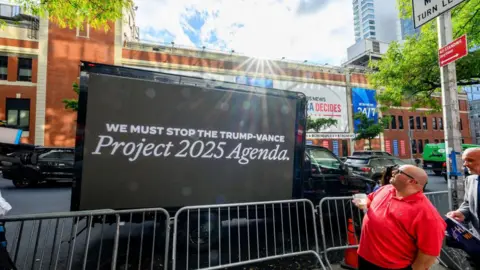
International observers have noted the global implications of Project 2025's foreign policy recommendations. The document's emphasis on unilateral action and reduced multilateral engagement has affected relationships with traditional allies while strengthening ties with authoritarian governments that align with Trump's personal diplomatic preferences.
The Venezuela situation exemplifies this approach, as the administration has pursued increasingly aggressive policies despite concerns from regional partners about potential destabilizing effects. Project 2025's authors explicitly recommended such an approach, arguing that previous diplomatic strategies had failed to produce meaningful change.
Legal challenges to Project 2025 policies are working their way through federal courts, with several cases expected to reach the Supreme Court during the coming months. Constitutional scholars predict that the outcomes will significantly influence the scope of executive power for future administrations, regardless of political affiliation.
State governments have emerged as important players in the implementation process, with some actively cooperating with federal directives while others have enacted sanctuary policies designed to limit local compliance with immigration enforcement measures. This dynamic has created a complex patchwork of policy implementation that varies significantly across different regions.
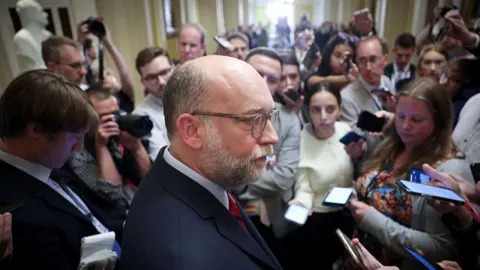
Economic implications of the Project 2025 implementation are beginning to emerge as policies affect labor markets, international trade relationships, and domestic regulatory environments. Business organizations have expressed mixed reactions, with some sectors benefiting from deregulation while others face challenges from trade policy changes and immigration restrictions.
The one-year milestone has provided policy analysts with sufficient data to begin assessing the effectiveness of implemented measures. Early indicators suggest that while many policies have achieved their immediate objectives, longer-term consequences remain uncertain and potentially significant.
As the Trump administration continues implementing Project 2025 recommendations, political observers are closely monitoring public reaction and electoral implications. The 2026 midterm elections are expected to serve as a referendum on the policy agenda's success and public acceptance.
The document's authors designed Project 2025 as a multi-year implementation strategy, suggesting that the current pace of change may accelerate rather than moderate as the administration gains operational experience and political confidence. This prospect has energized both supporters and critics as they prepare for continued policy battles in the months and years ahead.
Source: BBC News


