
Potential Supermarket Shortages: UK Braces for Iran War Impact

Contingency plans underway as the UK faces possible food supply disruptions, including gaps on supermarket shelves, if the Iran war continues to disrupt CO2 supplies.
UK could face some gaps on supermarket shelves this summer if the disruption caused by the Iran war continues, with shortages of carbon dioxide potentially hitting supplies of chicken, pork and fizzy drinks.
Government ministers are reportedly drawing up contingency plans for a "reasonable worst-case scenario" if the key shipping lane of the strait of Hormuz does not reopen, disrupting supplies of the CO2 required by the food industry.
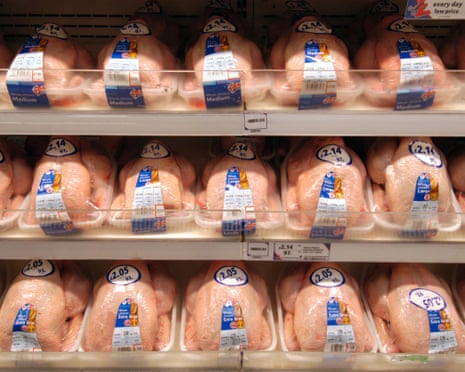
The potential disruption to CO2 supplies, which is a crucial component in food production and packaging, could lead to significant challenges for UK retailers and consumers. CO2 is used to stun animals before slaughter, to extend the shelf life of fresh produce, and to put the fizz in carbonated drinks.
Industry experts warn that a prolonged disruption to CO2 supplies could result in shortages of certain meat and beverage products on supermarket shelves within a matter of weeks. This would add to the existing pressures on the UK food supply chain, which has been grappling with the aftermath of the COVID-19 pandemic and Brexit-related challenges.
The potential food shortages come as the UK government is already facing a difficult economic and political landscape, with rising inflation, interest rates, and the ongoing Iran conflict. The disruption to CO2 supplies could exacerbate these challenges, putting additional strain on consumers and the government.
To mitigate the potential impact, the government is working closely with industry to develop contingency plans and explore alternative sources of CO2 supply. However, the success of these efforts will depend on the duration and severity of the disruption caused by the Iran war.
As the UK navigates this complex situation, the potential for food shortages on supermarket shelves serves as a stark reminder of the far-reaching consequences of global conflicts and the importance of resilient supply chains.
Source: The Guardian


