
Pentagon Launches UFO Portal: What's Actually Inside

The Department of Defense unveils a new website dedicated to UFO research and transparency. Here's what visitors will find on the platform.
In a move that underscores the U.S. military's commitment to transparency regarding unidentified flying objects, the Department of Defense has officially launched a dedicated website aimed at consolidating information about UFO sightings and related research. However, those expecting a treasure trove of classified evidence or groundbreaking revelations about extraterrestrial encounters may find themselves disappointed by the current offerings on the platform.
The Pentagon UFO website represents an official acknowledgment of decades-long public interest in unidentified aerial phenomena. The platform serves as a centralized hub for government documents, research summaries, and official statements related to UAP investigations, the military's preferred term for unexplained aerial sightings. This initiative follows years of increased congressional scrutiny and public demands for greater accountability regarding what the government knows about these mysterious encounters.
The website's launch comes amid a broader shift in how the Department of Defense addresses UFO transparency and public disclosure. Rather than dismissing inquiries as fringe concerns, military officials have increasingly acknowledged the importance of studying these phenomena from a national security perspective. The creation of a dedicated online resource demonstrates a tangible commitment to this new approach, though the actual content available on the site remains relatively sparse and bureaucratic in nature.
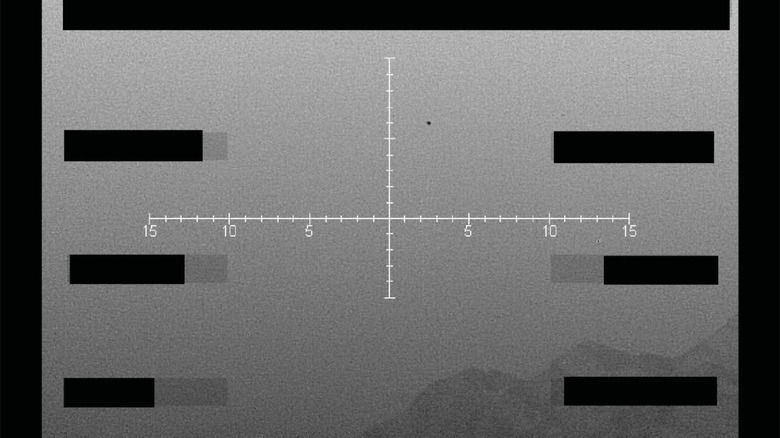
Visitors to the newly established platform will discover primarily administrative documents, official policy statements, and summaries of previous military investigations. The site includes information about the Pentagon's established protocols for reporting and analyzing unidentified aerial phenomena, as well as contact information for various departments handling these matters. However, the groundbreaking details that conspiracy enthusiasts and serious researchers have long sought remain notably absent from the publicly accessible sections of the website.
The sparse nature of the portal's current content reflects the complex intersection between government transparency initiatives and legitimate national security concerns. While the Pentagon has made strides in acknowledging the reality of unexplained aerial sightings, officials must carefully balance public disclosure with the need to protect sensitive military surveillance capabilities and classified intelligence gathering techniques. This delicate equilibrium means that much of what the government has collected regarding these phenomena remains restricted to classified briefings rather than public websites.
The Department of Defense has long maintained that investigating UFO reports serves an important military function, as unexplained objects in restricted airspace could represent foreign surveillance technology or other potential security threats. By establishing an official website dedicated to this topic, the Pentagon acknowledges both the significance of these investigations and the legitimacy of public interest. Nevertheless, the current iteration of the site falls short of providing the comprehensive disclosure that many observers had anticipated.
The launch of this official portal also reflects evolving attitudes within government institutions regarding UFO research legitimacy. Just a few years ago, discussing such topics in official military circles was often dismissed or discouraged. Today, military officials and scientists can openly acknowledge and study these phenomena without fear of professional ridicule. This cultural shift within the defense establishment represents perhaps the most significant development in government UFO disclosure in recent decades.
For those hoping to navigate the website, the experience proves relatively straightforward but ultimately unsatisfying for serious UFO researchers. The platform primarily functions as an information repository for government procedures and official statements rather than a breakthrough resource for understanding the true nature of these phenomena. Users will find extensive bureaucratic content, including information about filing reports and understanding official definitions of unidentified aerial objects, but little in terms of actual case files or analysis results.
The Pentagon's approach to the website reflects a measured strategy of controlled transparency. By providing a centralized location for official information while maintaining tight restrictions on classified materials, the Department of Defense achieves multiple objectives simultaneously. The platform demonstrates responsiveness to public interest and congressional demands for accountability, while simultaneously protecting genuinely sensitive national security information that remains inappropriate for public disclosure.
Critics of the current implementation argue that the website represents little more than a public relations gesture rather than meaningful transparency. They contend that if the Pentagon truly intended to provide comprehensive disclosure regarding UFO phenomena, substantially more detailed information would be available through official channels. The sparse nature of the portal's content has led some observers to question whether the government's commitment to transparency extends beyond carefully curated public communications.
Nevertheless, the existence of an official Department of Defense UFO platform marks an important symbolic milestone in how mainstream institutions address these questions. The website's launch signals that the U.S. military no longer views discussion of unidentified aerial phenomena as inherently illegitimate or deserving of dismissal. This represents a significant evolution from historical attitudes that treated UFO reports as curiosities rather than subjects worthy of serious institutional attention.
The future development of the portal remains uncertain, though the Pentagon has indicated that additional content may be added over time. Whether this expansion will include more substantive materials beyond administrative documents remains to be seen. For now, visitors to the Department of Defense's UFO website will find a professional, organized platform that serves as an official acknowledgment of institutional interest in the topic, even if it falls short of providing the dramatic revelations that many observers hoped to discover.
Source: Engadget


