
Patrick Bruel Denies Sexual Assault Allegations

French singer Patrick Bruel faces multiple sexual assault accusations in France. TV presenter Flavie Flament alleges he raped her in 1991. Bruel denies all charges.
French singer Patrick Bruel has firmly rejected a mounting wave of sexual assault allegations that have emerged against him in recent weeks, striking a defiant tone as he addresses the serious claims publicly. The accusations represent a significant challenge to the entertainer's reputation, coming amid broader discussions about accountability in the French entertainment industry. Bruel's legal team has indicated that he intends to vigorously contest all allegations brought against him, emphasizing his commitment to clearing his name through appropriate legal channels.
Among the most prominent accusers is Flavie Flament, a well-respected television and radio presenter with considerable visibility in French media circles. Flament has alleged that Bruel committed rape against her in 1991, an incident she has described in detail to investigators and the public. Her accusation carries particular weight given her established position in the broadcasting industry and her previous public statements regarding assault experiences. The specific nature and timing of her allegations have garnered significant media attention, prompting broader scrutiny of Bruel's past behavior.
The singer, who has maintained a successful career spanning several decades in French popular music, faces a critical moment as he navigates the legal and reputational fallout from these accusations. His denial of the charges reflects a common defensive posture adopted by those accused of historical sexual misconduct, though legal experts note that the credibility and corroboration of allegations will likely play a crucial role in determining outcomes. The case has triggered renewed conversations about power dynamics in entertainment and the procedural mechanisms through which such allegations are investigated and adjudicated.
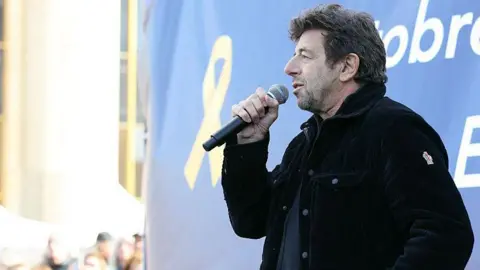
The emergence of these allegations reflects the broader cultural movement addressing historical sexual misconduct within the entertainment sector. Following high-profile cases in various countries, victims have increasingly come forward with accounts of assault and harassment that previously remained unreported. In France, this shift has led to greater media attention and public discussion surrounding accountability standards and institutional responses to such claims. The Bruel case exemplifies how even established figures with long careers now face renewed scrutiny regarding their conduct toward others.
Flament's account, which reportedly dates back three decades, raises important questions about the passage of time in legal proceedings and the challenges victims face when coming forward about historical incidents. Her decision to publicly identify herself as an accuser represents a significant personal risk, as such public allegations can invite intense media scrutiny and potential counter-narratives. The television presenter has previously spoken publicly about her experiences and advocacy work related to sexual assault awareness, lending credibility to her willingness to challenge a prominent public figure.
Legal professionals monitoring the situation have noted that investigations into historical allegations require careful examination of available evidence, witness testimony, and documentary records. The complexity of these cases intensifies when significant time has elapsed between the alleged incident and the formal complaint, as memory, evidence preservation, and corroboration become complicated factors. However, legal statutes in France and other jurisdictions have been modified to extend timeframes for prosecution in sexual assault matters, recognizing historical barriers that prevented timely reporting.

Bruel's response strategy appears to focus on categorical denial coupled with assertions of his intent to defend himself through proper legal mechanisms rather than through media appearances or public statements. This approach reflects guidance commonly provided by legal counsel in high-profile accusation cases, emphasizing the importance of allowing judicial processes to proceed without prejudicing ongoing investigations. However, the entertainment industry's parallel court of public opinion has proven increasingly influential in shaping reputational outcomes independent of legal determinations.
The allegations against Bruel represent part of a larger pattern observed across entertainment industries globally, where individuals who previously benefited from power imbalances or institutional silence now face accountability pressures. Several additional accusers beyond Flament have also made allegations, expanding the scope of the accusations and potentially strengthening investigative efforts by establishing patterns of conduct. The cumulative weight of multiple allegations, even when separated by significant time intervals, can influence both public perception and investigative conclusions.
His supporters within the entertainment community have remained relatively quiet, a silence that contrasts with previous eras when accused figures could rely on institutional protection or swift character defense from colleagues. This changing dynamic reflects evolved expectations regarding institutional responses to allegations and the diminished effectiveness of traditional public relations strategies in addressing such serious matters. The entertainment industry's reputation has suffered considerably from revelations of widespread misconduct, making organizations and individuals more cautious about providing public support to accused figures.
The case also highlights procedural questions regarding statute of limitations, evidentiary standards, and investigative protocols in historical sexual assault cases. Different jurisdictions have adopted varying approaches to prosecuting alleged crimes that occurred decades earlier, with some emphasizing victim protection and others maintaining strict evidentiary requirements. The outcome of Bruel's situation may influence how similar cases are handled going forward in the French legal system, potentially setting precedents for future prosecutions.
Media coverage of the allegations has been extensive, with French news outlets providing detailed reporting on Flament's account and Bruel's denial. This publicity creates additional pressure on all parties involved, as investigations proceed amid intense public scrutiny that inevitably influences perceptions regardless of eventual legal outcomes. The intersection of media attention, public opinion, and judicial processes remains a contentious area in contemporary discussions about appropriate responses to serious allegations.
Accountability mechanisms in the entertainment industry have evolved significantly in recent years, with industry organizations implementing new protocols for addressing complaints and establishing support systems for potential victims. These institutional changes reflect broader recognition that traditional approaches proved inadequate in preventing and addressing misconduct. The Bruel case demonstrates both the progress made in facilitating victim reporting and the ongoing challenges that characterize investigations into historical allegations.
As investigations continue, the situation remains fluid, with the potential for additional developments as authorities examine evidence and interview relevant witnesses. Bruel's insistence on his innocence suggests he intends to mount a vigorous legal defense, potentially subjecting accusers and their accounts to intense scrutiny during any trial proceedings. The coming months will likely prove decisive in shaping both the legal outcome and the broader public understanding of what transpired between the parties involved.
Source: BBC News


