
Pakistan Launches Cross-Border Strikes Against Militants

Pakistan conducted intelligence-based military operations targeting militant hideouts along the Afghan border following a surge in domestic attacks.
Pakistan's military forces executed cross-border strikes along the volatile Afghanistan frontier during Saturday evening operations, specifically targeting what officials described as militant strongholds responsible for escalating violence within Pakistani territory. The strikes represent a significant escalation in Pakistan's response to increasing security threats emanating from the porous border region.
According to Pakistan's information ministry, these were described as "intelligence-based, selective operations" conducted against camps belonging to the Pakistani Taliban, also known as Tehreek-e-Taliban Pakistan (TTP). The ministry emphasized that the operations were precisely planned and executed based on credible intelligence regarding militant activities in the border areas.
The Pakistani government has refrained from disclosing specific geographical locations where the strikes occurred, maintaining operational security around the sensitive military action. Officials also declined to provide detailed casualty figures or elaborate on the scale of the operations, citing security considerations and the ongoing nature of counter-terrorism efforts in the region.
Social media reports and unverified accounts from local sources suggest that the military strikes were conducted within Afghan territory, though Pakistani authorities have not officially confirmed the cross-border nature of the operations. The lack of immediate response from Kabul has added to speculation about the extent and location of the military action.
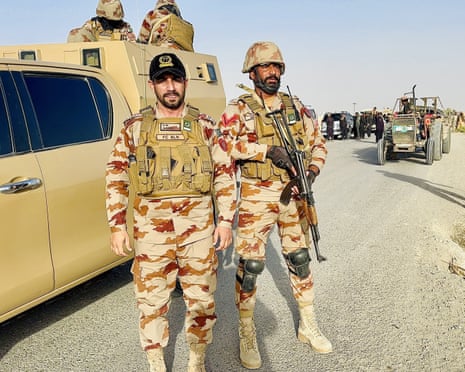
The strikes come amid a notable surge in militant attacks within Pakistan's borders, particularly in the northwestern regions that share extensive boundaries with Afghanistan. Security analysts have documented increased TTP activity following the Taliban's return to power in Afghanistan in 2021, with Pakistani officials repeatedly expressing concerns about the use of Afghan soil for launching attacks against Pakistani targets.
Pakistan's relationship with Afghanistan has grown increasingly strained over border security issues, with Islamabad accusing the Taliban government of failing to prevent TTP operations from Afghan territory. The Pakistani Taliban, while sharing ideological similarities with the Afghan Taliban, operates as a separate entity focused on establishing Islamic rule within Pakistan.
The timing of these operations reflects mounting pressure on Pakistani security forces to respond decisively to the escalating threat posed by cross-border militancy. Recent months have witnessed a significant uptick in terrorist incidents, including attacks on military installations, civilian targets, and infrastructure projects, particularly in Khyber Pakhtunkhwa and Balochistan provinces.
Intelligence sources indicate that the targeted camps had been under surveillance for an extended period, with Pakistani authorities gathering evidence of their use as staging areas for planning and launching attacks across the border. The counter-terrorism operations were reportedly coordinated between multiple security agencies to ensure maximum effectiveness while minimizing collateral damage.
The Pakistani military's decision to conduct these strikes without prior public announcement reflects a shift toward more proactive engagement against terrorist threats. This approach contrasts with previous diplomatic efforts to address border security issues through bilateral negotiations with Afghan authorities.
Regional security experts have noted that the porous nature of the Pakistan-Afghanistan border continues to pose significant challenges for both countries. The terrain, characterized by mountainous regions and remote valleys, provides natural refuge for militant groups seeking to evade detection and establish operational bases.
The lack of effective border controls and the complex tribal dynamics in the region have historically complicated efforts to eliminate terrorist sanctuaries. Pakistani officials have consistently called upon the Afghan Taliban to honor their commitments to prevent the use of Afghan territory for attacks against neighboring countries.
These latest military operations underscore the deteriorating security situation along the Afghanistan-Pakistan frontier and highlight the ongoing challenges faced by Pakistani security forces in combating terrorism. The strikes represent Pakistan's determination to take unilateral action when diplomatic channels fail to produce desired results in addressing cross-border terrorism.
The international community has been closely monitoring the situation, given the broader implications for regional stability and the global fight against terrorism. The strikes occur against the backdrop of Afghanistan's humanitarian crisis and the Taliban government's struggles to establish effective governance across the country.
Pakistani security officials have indicated that similar operations may be conducted in the future if militant activities continue to threaten national security. The government has made it clear that protecting Pakistani citizens from terrorist attacks remains a top priority, regardless of where the threats originate.
The effectiveness of these strikes in degrading TTP capabilities remains to be assessed, though Pakistani authorities express confidence that the operations have dealt a significant blow to militant infrastructure. The long-term success of such actions will likely depend on sustained pressure and comprehensive counter-terrorism strategies that address both immediate security threats and underlying factors contributing to militancy in the region.
Source: The Guardian


