
Oman Caught Between US and Iran Over Hormuz Strait Plan

Iran claims coordination with Oman on Strait of Hormuz management, including controversial shipping fees opposed by the US. Muscat remains silent on the proposal.
Oman finds itself navigating treacherous geopolitical waters after Iran publicly announced it was working closely with the Gulf nation on restructuring the future governance of the Strait of Hormuz. The announcement has thrust Muscat into an uncomfortable position, as Tehran's ambitious plans—which include implementing controversial toll fees on commercial vessels and demanding detailed nationality information from all transiting ships—directly contradict the interests of the United States and other Western powers who depend heavily on free passage through the crucial waterway.
The Strait of Hormuz represents one of the world's most critical maritime chokepoints, with approximately one-fifth of global seaborne oil traffic flowing through its narrow passages under normal circumstances. The strategic importance of this waterway cannot be overstated, as disruptions to shipping in the region have far-reaching consequences for energy markets and global supply chains. However, the current situation has become increasingly complex following the tensions that escalated in February when US-Israeli military operations targeted Iran, leading to a subsequent blockade that has persisted for more than ten weeks and severely disrupted normal shipping patterns.
The Omani exclave of Musandam occupies a particularly significant geographic position, located directly to the south of the contested waterway. This strategic positioning gives Oman considerable leverage in any discussions regarding maritime passage through the Strait of Hormuz, making the nation a key player in determining how regional disputes will unfold. Oman's geographic advantage has historically made it an important mediator in Middle Eastern affairs, and its current predicament reflects the broader tensions gripping the region.
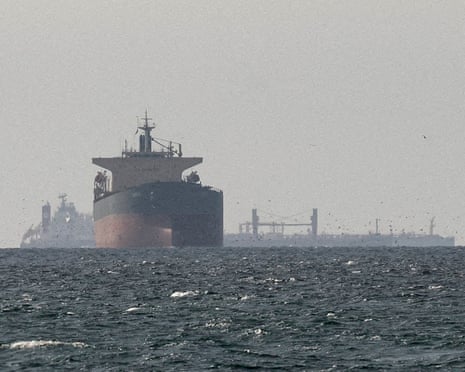
Iran's proposal to establish a new government agency responsible for collecting shipping fees from commercial vessels represents a dramatic departure from the current framework governing passage through the Strait of Hormuz. Under Tehran's plan, all merchant ships would be required not only to pay tolls to the Iranian authority but also to provide comprehensive information about their vessel nationality and ownership details. This scheme would give Iran unprecedented control over maritime commerce passing through the waterway and would fundamentally alter the economic dynamics of international shipping in the region.
The United States opposition to Iran's Hormuz strait proposal stems from deep concerns about freedom of navigation and the potential for Iranian leverage over global energy supplies. Washington has consistently advocated for unrestricted passage through the waterway, viewing any Iranian toll system as a violation of international maritime law and an attempt to weaponize control of a critical global trade route. American officials have made clear that such fees would be unacceptable and could trigger significant international economic and security responses.
Oman's silence on these contentious plans is notably conspicuous and strategically significant. The sultanate has declined to make any public statements confirming or denying its involvement in negotiations with Iran regarding the Hormuz strait management proposal. This studied ambiguity likely reflects Muscat's desire to avoid antagonizing either Tehran or Washington, both of whom maintain substantial political and economic interests in the region. By remaining noncommittal, Oman appears to be pursuing its traditional role as a neutral broker while buying time to assess the evolving situation.
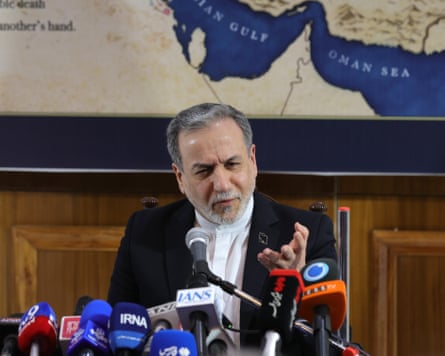
The timing of Iran's announcement regarding coordination with Oman is particularly noteworthy given the current maritime tensions affecting the region. With the Hormuz strait blockade already disrupting global shipping patterns and creating economic uncertainty, any proposal that could further complicate passage through the waterway threatens to exacerbate international concerns about energy security and economic stability. The broader international community, including European nations and Asian economies dependent on Middle Eastern oil, watches these developments with considerable anxiety.
Historically, Oman has positioned itself as a pragmatic player in regional politics, maintaining diplomatic relationships with multiple parties and avoiding taking sides in contentious disputes. This balanced approach has allowed Muscat to serve as a mediator in various regional conflicts and to maintain its own security and prosperity. The current situation tests this traditional diplomatic strategy, as pressure mounts from multiple directions for Oman to either endorse or reject Iran's proposals regarding the Strait of Hormuz.
The practical implications of Iran's proposed fee system would be substantial for international shipping and energy markets. Global oil prices are sensitive to any perceived threats to Hormuz strait passage, and the implementation of Iranian tolls would likely trigger significant increases in transportation costs for energy imports. These costs would ultimately be passed on to consumers worldwide, affecting everything from heating fuel prices to the cost of goods transported by ship, making this a matter of concern far beyond the Middle East.
The broader context of US-Iranian tensions adds additional layers of complexity to these negotiations. The February military operations that triggered the current blockade represent the latest escalation in a long-running confrontation between Washington and Tehran over regional influence, nuclear programs, and maritime rights. Any agreement between Iran and Oman regarding Hormuz management could either ease or intensify these tensions, depending on how it is structured and implemented.
International maritime law provides certain protections for freedom of passage through strategic waterways, and the Hormuz shipping rights question hinges partly on how these legal principles are interpreted and applied in this specific context. International law experts remain divided on whether Iran has legitimate authority to impose fees on transiting vessels, with arguments on both sides rooted in different interpretations of maritime conventions and national sovereignty principles.
Looking forward, the resolution of this geopolitical standoff will depend significantly on the decisions made by Oman in the coming weeks and months. Muscat's leadership must carefully balance competing pressures while protecting its own national interests and maintaining its historically important role as a regional mediator. The stakes involved extend far beyond Oman itself, affecting global energy security, international commerce, and the delicate balance of power in the Middle East. As negotiations continue, the world watches to see whether Oman will emerge as a bridge-builder between conflicting parties or become entangled in the escalating tensions reshaping the region.
Source: The Guardian


