
NYC Mayor Launches Twitch Show: Politics Goes Live

New York City Mayor Zohran Mamdani enters the streaming world with a new Twitch show, bringing political discourse to gaming platform audiences.
In a bold move that signals the evolving intersection of politics and digital media, New York City Mayor Zohran Mamdani has announced the launch of an official Twitch show designed to engage younger voters and tech-savvy constituents. The initiative represents a significant shift in how local government officials communicate with the public, leveraging one of the world's most popular live-streaming platforms to reach audiences who might not traditionally tune into conventional political coverage.
The NYC mayor's Twitch presence comes at a time when politicians across the country are increasingly exploring alternative media channels to connect with younger demographics. Mamdani's decision to establish a show on the platform reflects growing recognition that traditional press conferences and town halls may not be sufficient to capture the attention of Gen Z and millennial voters. By bringing municipal government directly to Twitch's audience of millions, the mayor is attempting to democratize access to political leadership and create a more informal, interactive space for public dialogue.
The show format remains focused on substantive political discussion and community engagement, rather than gaming content typical of the platform. Mamdani's team has emphasized that the streaming initiative will address pressing local issues, from housing policy to public safety, while maintaining the conversational tone that Twitch audiences expect. This unconventional approach has generated considerable buzz within both political and technology circles, with observers noting that it could inspire similar experiments among other municipal leaders seeking to modernize their communication strategies.
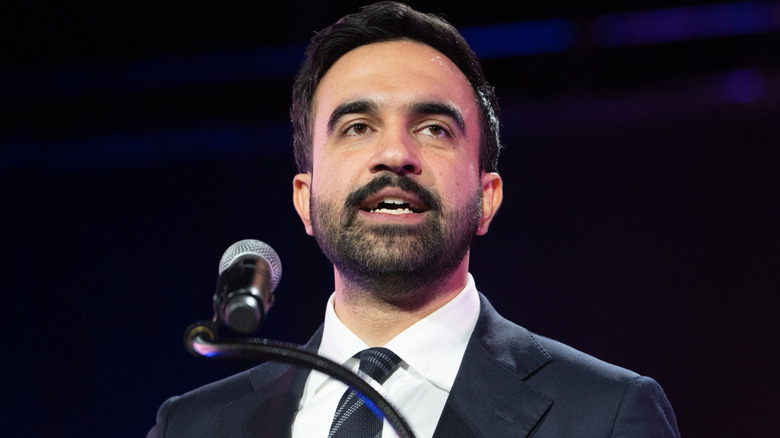
The announcement has sparked varied reactions across social media platforms and political commentary outlets. Supporters praise Mamdani for meeting constituents where they already spend their time, arguing that political engagement on Twitch could help increase voter participation and civic awareness among younger populations. Critics, meanwhile, have raised questions about the appropriateness of using a gaming platform for government communication, though many acknowledge that the lines between entertainment and politics have blurred considerably in recent years.
Twitch itself has increasingly become a venue for non-gaming content, with politicians, educators, and activists using the platform to reach engaged audiences. The platform's real-time chat functionality allows for direct interaction between streamers and viewers, creating opportunities for immediate feedback and dialogue that traditional government channels rarely facilitate. This interactive element is particularly significant for Mamdani's show, as it could enable constituents to ask questions and voice concerns directly to their elected representative in real time.
The technical infrastructure supporting the show reflects careful planning and investment in quality production. City Hall has reportedly allocated resources to ensure that streams meet professional standards, with dedicated technical staff managing broadcast quality, moderating chat, and handling the technical aspects of live streaming. This commitment to production values demonstrates that Mamdani views the Twitch initiative not as a gimmick but as a serious communication channel worthy of substantial resources and attention.
The timing of this launch is particularly noteworthy given ongoing discussions about civic engagement and political participation. Young voters have historically shown lower turnout rates than older age cohorts, and elected officials have struggled to find effective ways to communicate with this demographic. By establishing a mayor's Twitch show, Mamdani is experimenting with a medium that attracts millions of young people daily, presenting an opportunity to discuss local governance in a context where this audience is already present and engaged.
The show's content strategy will reportedly balance transparency with accessibility, covering everything from detailed policy explanations to lighter segments designed to humanize the mayor and his administration. This approach acknowledges that different viewers have varying levels of interest in political minutiae, and that maintaining audience engagement requires a mix of substantive content and more entertainment-oriented segments. The balance between serious governance discussion and platform-appropriate entertainment represents a key challenge for the initiative's success.
Beyond the immediate local implications, Mamdani's Twitch show could establish a template for how other government officials engage with digital-native audiences. If successful, the model might be replicated by other mayors, state officials, and even federal representatives seeking to expand their reach beyond traditional media and polling places. The experiment will be closely watched by both political consultants and technology analysts interested in the future of government communication.
The platform's moderation tools and community guidelines will play crucial roles in managing the show's environment. Mamdani's team will need to balance open discussion with protection against harassment, misinformation, and platform spam—challenges that even experienced Twitch streamers grapple with regularly. The ability to foster constructive dialogue while maintaining a welcoming environment for all viewers will significantly impact the show's long-term viability and effectiveness as a political communication tool.
Looking forward, the success or failure of this initiative could influence how government institutions approach digital media strategy. If the show attracts substantial viewership and generates meaningful civic engagement, it may validate this approach as a legitimate government communication channel. Conversely, if the experiment struggles to gain traction or faces significant technical or moderation challenges, it could discourage similar attempts by other officials. Either way, Mamdani's decision to launch a Twitch show represents a significant moment in the evolution of political communication in the digital age, marking another step in the ongoing transformation of how elected officials connect with constituents.
Source: Engadget


