
Nonprofit Struggles to Feed Hungry Amid Soaring Energy Costs

The Felix Project, a UK charity, is facing financial challenges due to skyrocketing energy prices driven by the conflict in Iran. Learn how they're adapting to serve their community.
As the conflict in Iran continues to drive up energy prices globally, many organizations are feeling the pinch - including the Felix Project, a UK-based charity dedicated to reducing food waste and feeding the hungry. With utility bills and other operational costs surging, the Felix Project is having to find creative ways to maintain their vital services for those in need.
"The energy price increases have hit us hard," explains Jane Bevis, the CEO of the Felix Project. "Our food distribution centers and delivery vehicles rely heavily on electricity and fuel, and these costs have skyrocketed over the past year. We're having to make tough decisions to keep our operations running and ensure we can continue supporting the most vulnerable members of our community."
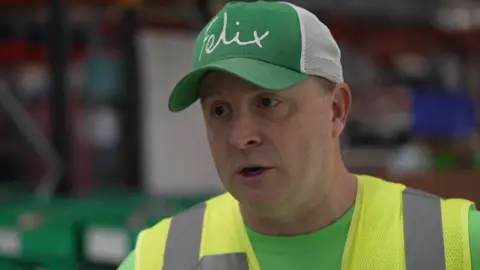
The Felix Project partners with supermarkets, restaurants, and other food suppliers to collect unsold or surplus items that would otherwise go to waste. They then redistribute this food to food banks, homeless shelters, and other organizations serving those experiencing food insecurity. In 2021 alone, the charity delivered over 20 million meals worth of food to those in need.
"Our mission is more crucial than ever as the cost-of-living crisis continues to impact families across the UK," Bevis says. "But the rising energy prices make it increasingly difficult to fulfill that mission. We're having to dip into our limited reserves and make tough choices about where to allocate our resources."
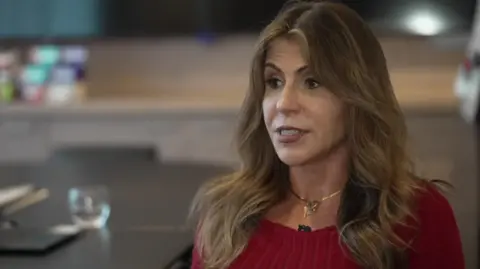
One area the Felix Project has had to cut back on is their fleet of delivery vans. "We used to have a much larger fleet to reach more communities," Bevis explains. "But the skyrocketing fuel costs mean we've had to reduce the number of vehicles and limit our delivery radius. It's heartbreaking to have to turn away food donations or tell partners we can't collect from them as often."
The charity has also had to tighten its belt in other ways, such as reducing staff hours, postponing equipment upgrades, and limiting the number of food distribution centers they can operate. "We're doing everything we can to minimize the impact on those we serve," Bevis says, "but it's an ongoing challenge."
Despite the obstacles, the Felix Project remains committed to its mission. The organization is exploring alternative fuel sources for its delivery fleet, pursuing additional funding opportunities, and even considering solar panel installations at its distribution centers to offset energy costs.
"We refuse to let these challenges stop us from getting food to those who need it most," Bevis declares. "With creativity, determination, and the support of our community, we'll find a way to overcome these obstacles and continue serving vulnerable families throughout the UK."
As the cost-of-living crisis and energy price volatility continue to squeeze charities and nonprofits, the Felix Project's story serves as a poignant reminder of the vital role these organizations play in supporting the most vulnerable members of our society. With innovative thinking and community collaboration, they are rising to meet the challenge and ensuring no one is left behind.
Source: BBC News


