
NIST Allegedly Forcing Out Foreign Scientists

The National Institute of Standards and Technology faces criticism for policies that could drive away international researchers, potentially harming US scientific leadership.
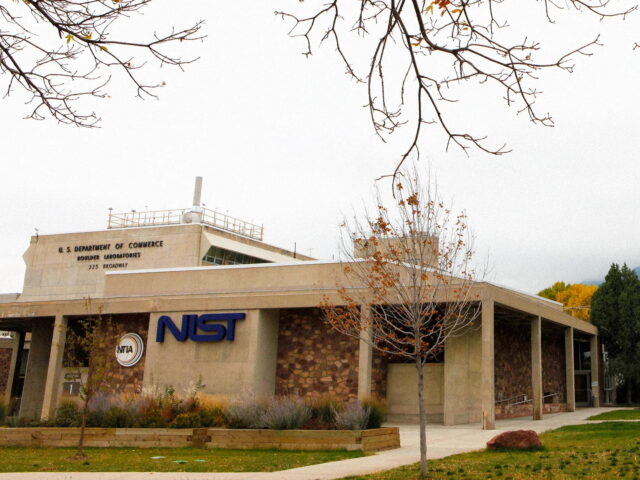
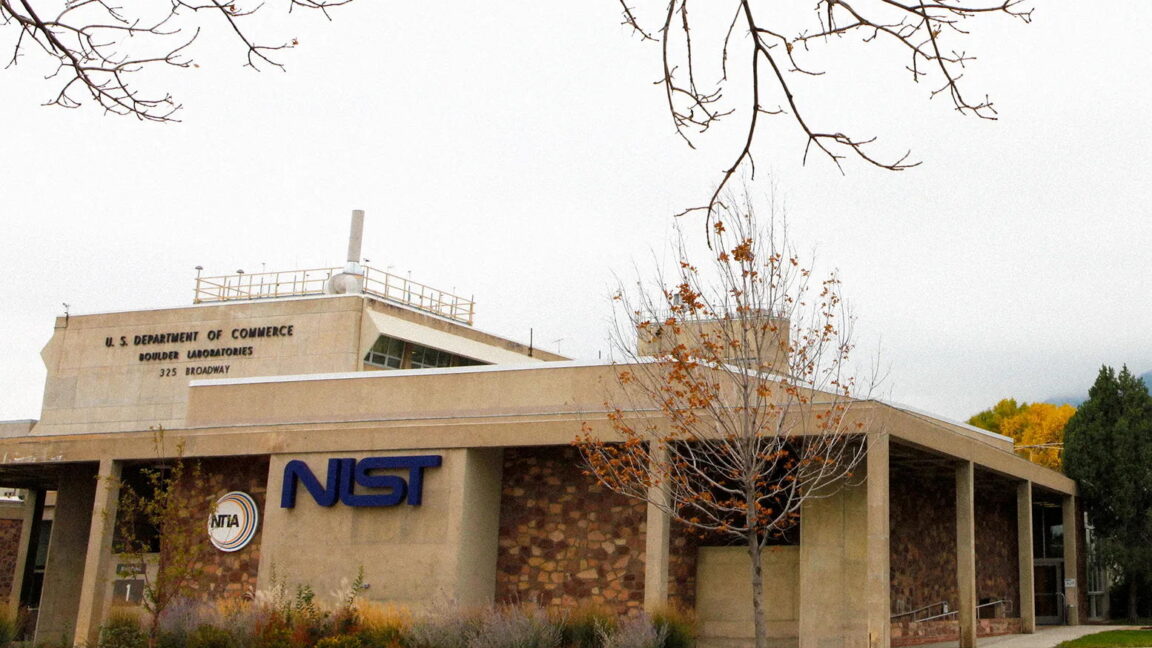
The National Institute of Standards and Technology (NIST), one of America's premier federal research institutions, is implementing policies that appear designed to reduce the presence of foreign scientists within its ranks. This concerning development has sparked criticism from lawmakers and industry insiders who warn that such measures could significantly undermine the nation's scientific competitiveness and research capabilities. Sources familiar with the situation suggest that these changes represent a dramatic shift in the agency's traditionally inclusive approach to international scientific collaboration.
NIST has long served as a cornerstone of American scientific innovation, establishing critical research frameworks that influence everything from cybersecurity protocols to advanced semiconductor manufacturing processes. The agency's work extends far beyond basic research, encompassing practical applications that directly impact consumer safety and national security. Recent initiatives have included developing comprehensive guidelines for securing artificial intelligence systems against potential threats and conducting extensive research into health risks associated with common household items like air purification systems and protective equipment used by emergency responders.
The scientific community at NIST represents a diverse international network of expertise, with thousands of employees working alongside postdoctoral researchers, specialized contractors, and guest scientists from institutions worldwide. This global talent pool has traditionally been viewed as one of the agency's greatest strengths, bringing together leading minds from different countries and research traditions to tackle complex scientific challenges. The potential loss of this international perspective could have far-reaching consequences for the quality and scope of NIST's research output.
Industry observers note that the timing of these policy changes is particularly concerning given the increasingly competitive global landscape in scientific research and technological development. Nations worldwide are investing heavily in attracting top scientific talent, and any perception that the United States is becoming less welcoming to international researchers could have long-term strategic implications. The move appears to run counter to decades of successful collaboration that have helped maintain America's position as a global leader in scientific innovation.
Cybersecurity research at NIST has become increasingly critical as digital threats evolve and multiply across both government and private sector networks. The agency's guidelines and standards serve as foundational elements for protecting everything from individual consumer devices to critical national infrastructure. Foreign scientists have played crucial roles in developing these protective measures, bringing specialized knowledge from different technological ecosystems and threat environments that enhance the robustness of American cybersecurity frameworks.
The semiconductor manufacturing sector, another key area of NIST research, relies heavily on international collaboration due to the global nature of the technology supply chain. Manufacturing standards developed by the agency influence production processes worldwide, and the input from foreign researchers helps ensure these standards remain relevant and effective across different manufacturing environments. Reducing international participation in this research could potentially weaken the competitiveness of American semiconductor companies in global markets.
Lawmakers who have been briefed on the situation express concern about the broader implications of limiting foreign participation in government research programs. They argue that such policies could damage the United States' reputation as a destination for top scientific talent and potentially drive valuable researchers to competitor nations. The long-term economic and strategic costs of losing access to international expertise could far outweigh any perceived security benefits from restricting foreign participation.
The AI safety guidelines currently being developed by NIST represent another area where international expertise has proven invaluable. As artificial intelligence systems become more sophisticated and widely deployed, the need for comprehensive safety standards has become increasingly urgent. Foreign researchers bring diverse perspectives on AI development and deployment that help ensure these guidelines address a wide range of potential risks and applications. Their exclusion could result in safety standards that are less comprehensive and effective.
Consumer safety research conducted by NIST has direct implications for millions of Americans who rely on the agency's findings to make informed decisions about products they use daily. The investigation into air purifier health risks exemplifies the type of practical research that benefits from international collaboration, as different countries have varying approaches to air quality management and filtration technology. Similarly, research into the safety of firefighting equipment draws on expertise from emergency response systems worldwide.
The potential exodus of foreign scientists from NIST could create significant gaps in institutional knowledge that may take years to rebuild. Many of these researchers have spent years developing specialized expertise in their particular fields and have established valuable professional networks that extend far beyond the borders of the United States. Losing access to these networks could isolate American research efforts and reduce the speed and effectiveness of scientific collaboration on global challenges.
Sources within the scientific community suggest that the policy changes may be motivated by national security concerns, though the specific nature of these concerns remains unclear. However, critics argue that blanket restrictions on foreign participation may be counterproductive, potentially harming American scientific leadership while doing little to address legitimate security risks. They advocate for more targeted approaches that can protect sensitive information while preserving the benefits of international collaboration.
The credibility of NIST as a neutral arbiter of scientific standards could suffer if the agency is perceived as becoming less open to international input and collaboration. Many of the standards and guidelines developed by NIST are adopted not only within the United States but also by international organizations and foreign governments. This global influence depends in part on the perception that NIST's work represents the best available scientific knowledge, regardless of its national origin.

The economic implications of these policy changes extend beyond the immediate research environment to affect broader patterns of innovation and technological development. Companies that rely on NIST standards and guidelines may find that reduced international input results in less comprehensive or relevant frameworks. This could potentially disadvantage American businesses in global markets where competitors have access to more diverse scientific perspectives and expertise.
Academic institutions that have traditionally collaborated with NIST through exchange programs and joint research initiatives may also be affected by these changes. Many universities have built their research programs around the assumption of continued access to federal research facilities and the expertise they contain. Disruption of these relationships could have cascading effects throughout the American higher education system and its ability to attract and retain top international talent.
The timing of these developments coincides with broader debates about the balance between openness and security in American scientific research. While legitimate concerns exist about protecting sensitive technologies and information, many in the scientific community argue that overly restrictive policies could ultimately weaken rather than strengthen national security by reducing the quality and competitiveness of American research institutions.
Source: Ars Technica

