
Nigerian Fishing Festival: Spectacular Contest Unites Community

Discover Nigeria's breathtaking fishing festival where tradition meets competition in a spectacular celebration of culture and community unity.
In the heart of Nigeria's fishing communities, an extraordinary celebration unfolds annually that combines centuries-old traditions with modern community building efforts. The spectacular Nigerian fishing festival represents far more than a simple competition—it serves as a powerful symbol of unity, cultural preservation, and local peacemaking initiatives that have captivated both participants and observers for generations. This remarkable event showcases the deep connection between Nigeria's fishing heritage and its ongoing commitment to fostering harmony among diverse community groups.
The festival's origins can be traced back to ancient fishing practices that were integral to the survival and prosperity of Nigerian coastal and riverine communities. What began as seasonal fishing expeditions has evolved into a multi-day cultural celebration that brings together fishermen, families, and visitors from across the region. The transformation of this traditional practice into a formal festival demonstrates how Nigerian communities have successfully adapted their cultural heritage to meet contemporary needs for social cohesion and economic development.
Central to the festival's mission is its role in promoting local peace initiatives within communities that may have experienced tension or conflict. Organizers deliberately designed the event to transcend ethnic, religious, and social boundaries, creating a neutral space where all participants can engage in friendly competition while celebrating their shared maritime heritage. This approach has proven remarkably effective in building bridges between different community groups and fostering mutual understanding and respect.
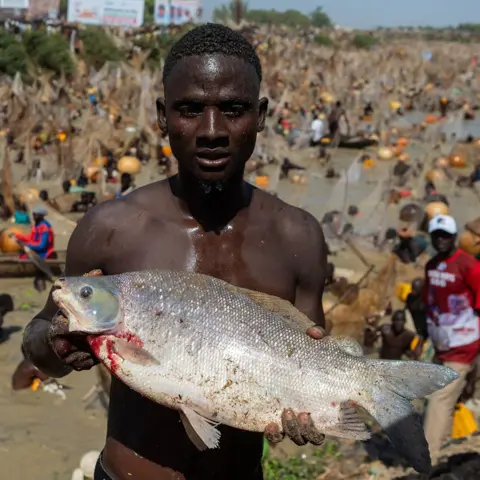
The competition itself unfolds over several days of intense preparation, traditional ceremonies, and increasingly exciting contests that test the skills, knowledge, and endurance of participating fishermen. Each day builds upon the previous one, with preliminary rounds, skill demonstrations, and community events leading up to the grand finale—the main fishing contest that determines the festival's champions. The structured progression of events ensures maximum participation and engagement while maintaining the cultural significance of each component.
Participants in the festival represent a diverse cross-section of Nigerian society, from experienced fishermen who have spent decades perfecting their craft to younger community members eager to learn traditional techniques and contribute to their cultural legacy. The intergenerational participation aspect of the festival serves a crucial educational function, ensuring that traditional fishing knowledge, techniques, and cultural practices are passed down to future generations rather than being lost to modernization and urbanization.
The fishing techniques showcased during the festival reflect centuries of accumulated wisdom about local water conditions, fish behavior, seasonal patterns, and sustainable harvesting practices. Participants demonstrate various traditional methods, from net fishing and line fishing to more specialized techniques that have been developed specifically for local water bodies and fish species. These traditional fishing methods not only serve competitive purposes but also highlight the sophisticated ecological knowledge that Nigerian fishing communities have developed over generations.
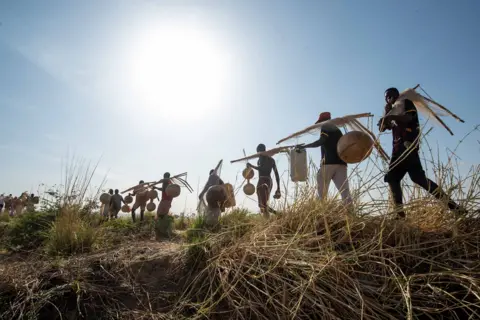
Beyond the competitive aspects, the festival serves as a vibrant showcase of Nigerian cultural expressions, including traditional music, dance, storytelling, and culinary traditions that have evolved alongside the fishing heritage. Local musicians and performers contribute to the celebratory atmosphere with songs and dances that tell the stories of legendary fishermen, celebrate successful harvests, and honor the natural world that sustains these communities. The cultural performances add depth and meaning to the festival experience while reinforcing its role as a comprehensive celebration of community identity.
The economic impact of the festival extends well beyond the prize money awarded to winning participants. Local businesses, artisans, food vendors, and service providers benefit significantly from the influx of visitors and the increased economic activity generated by the multi-day event. Hotels, restaurants, transportation services, and local markets all experience increased demand, creating a positive economic ripple effect that benefits the broader community. This economic development aspect has made the festival an important annual event for regional economic planning and tourism promotion.
Food plays a central role in the festival celebrations, with traditional Nigerian dishes featuring fresh fish and other local ingredients taking center stage. Community members and visiting food vendors prepare elaborate meals using traditional recipes and cooking methods, often incorporating the day's fresh catch into celebratory feasts. The culinary component of the festival provides another opportunity for cultural exchange and education, as recipes and cooking techniques are shared among participants and visitors from different regions and backgrounds.
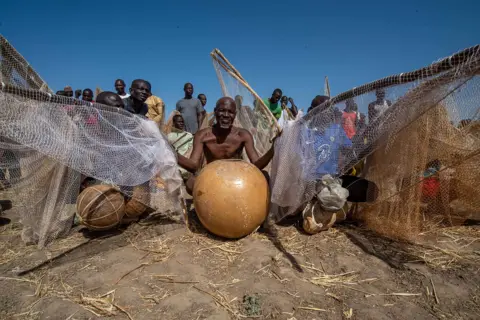
The organization and coordination required to successfully execute such a large-scale community event demonstrates the remarkable capacity for community cooperation and collective action that exists within Nigerian fishing communities. Local leaders, traditional authorities, government officials, and community volunteers work together throughout the year to plan, fund, and implement the various components of the festival. This collaborative effort itself serves as an example of the type of peaceful cooperation and mutual support that the festival aims to promote.
Environmental stewardship and sustainable fishing practices have become increasingly important themes within the festival as communities grapple with challenges related to overfishing, pollution, and climate change impacts on local water bodies. Festival organizers have incorporated educational components that highlight the importance of sustainable fishing practices and environmental conservation, ensuring that the celebration of fishing traditions also includes awareness of the need to protect the natural resources upon which these traditions depend.
The visual spectacle of the festival creates lasting memories for participants and observers alike, with colorful traditional boats, elaborate fishing nets, ceremonial costumes, and the natural beauty of Nigerian waterways combining to create a truly stunning visual experience. Photographers and media representatives document these remarkable scenes, helping to preserve the cultural heritage represented by the festival while also promoting awareness of Nigerian fishing traditions to national and international audiences.
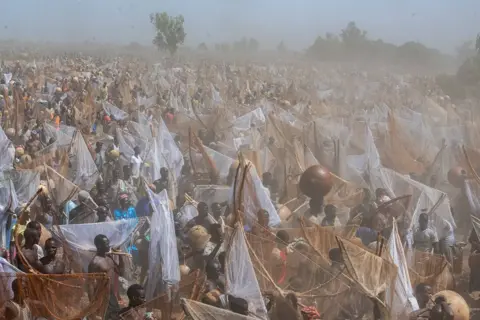
Looking toward the future, festival organizers continue to explore ways to expand and enhance the event while maintaining its core cultural and peacebuilding functions. Plans for increased youth participation, educational programs, tourism development, and international cultural exchange reflect the dynamic nature of this traditional celebration and its continued relevance in contemporary Nigerian society. The festival's success in combining tradition with innovation provides a model for other communities seeking to preserve their cultural heritage while adapting to modern challenges and opportunities.
The lasting impact of this spectacular fishing festival extends far beyond the competition results and prize awards, creating enduring bonds between communities and reinforcing shared values of cooperation, respect for tradition, and commitment to peaceful coexistence. As participants return to their daily lives and communities, they carry with them renewed appreciation for their cultural heritage and strengthened relationships with their neighbors, ensuring that the festival's peace-building mission continues to influence community dynamics throughout the year until the next celebration brings everyone together once again.
Source: BBC News


