
Netanyahu's Secret UAE Visit Reshapes Middle East

Israeli PM Benjamin Netanyahu reveals covert trip to UAE during Iran conflict, marking historic diplomatic breakthrough in Middle East relations.
In a significant diplomatic development that underscores the shifting geopolitical landscape of the Middle East, Israeli Prime Minister Benjamin Netanyahu has publicly disclosed a secret trip to the United Arab Emirates that took place during the most intense period of regional tensions with Iran. The clandestine visit represents a pivotal moment in the rapidly evolving alliance between Israel and the Gulf nation, highlighting how traditional adversaries are finding common ground in response to shared regional concerns.
The covert meeting between Netanyahu and UAE President Sheikh Mohamed bin Zayed Al Nahyan occurred at a critical juncture when military tensions between Israel and Iran were escalating dramatically. The timing of this diplomatic mission reveals the strategic importance both nations place on their bilateral relationship, even as they navigate complex security challenges throughout the region. According to an official statement released by Netanyahu's office on Wednesday night, the meeting was conducted with utmost secrecy to protect the sensitive nature of the discussions and ensure their successful completion.
"This visit has led to a historic breakthrough in relations between Israel and the UAE," the Israeli prime minister's office stated in their official announcement. The language used in this declaration underscores the transformative nature of the encounter, suggesting that the discussions yielded tangible outcomes that will reshape diplomatic and economic ties between the two nations. The breakthrough appears to encompass multiple dimensions of bilateral cooperation, ranging from security matters to economic partnership and cultural exchange.
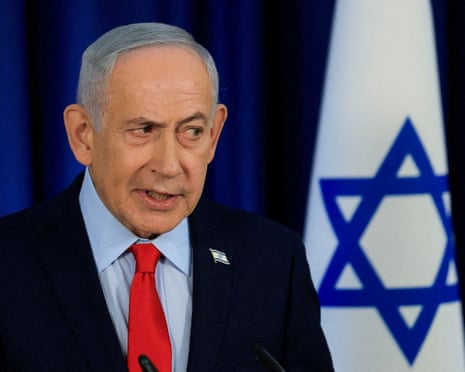
This clandestine diplomatic mission represents the latest milestone in what observers describe as a rapidly developing Middle East alliance that has been consolidating over recent years. The Abraham Accords, which were signed in 2020, laid the groundwork for normalized relations between Israel and several Arab nations, with the UAE being among the most prominent signatories. However, this secret visit suggests that engagement between the two countries has deepened considerably beyond the initial peace agreements, moving into more substantive strategic coordination.
The decision to conduct this meeting in secret rather than as a public diplomatic engagement reveals several important considerations about Middle East geopolitics and regional power dynamics. By maintaining confidentiality, both nations were able to conduct frank discussions without the glare of international media scrutiny or the complications that public announcements might create. This approach allowed negotiators to explore sensitive topics related to security cooperation, economic integration, and coordinated responses to shared threats without premature public disclosure that could have complicated negotiations.
The revelation of Netanyahu's secret visit comes at a time when regional tensions remain elevated and the international community is closely watching developments in the Middle East. The Iran war context in which this visit took place underscores the strategic calculations driving this diplomatic initiative. Israel and the UAE, along with other regional partners, share significant concerns about Iran's military capabilities, its nuclear program, and its influence throughout the Middle East through proxy forces and non-state actors.
The strategic partnership being forged between Israel and the UAE reflects broader shifts in the region's alignment patterns. For decades, the Israeli-Palestinian conflict served as a defining issue that prevented Arab nations from openly engaging with Israel. However, the Abraham Accords represented a fundamental realignment where several Arab states prioritized their own security interests and economic benefits over the traditional stance of not normalizing relations with Israel until Palestinian statehood issues were resolved.
Economic considerations also play a crucial role in the strengthening ties between these two nations. The UAE, as one of the world's leading economic hubs with significant financial resources and international business connections, sees value in partnerships that expand its regional influence and create new opportunities for trade and investment. Israel's advanced technology sector and innovation capabilities complement the UAE's economic ambitions, creating a mutually beneficial relationship that extends beyond security cooperation into commercial and scientific domains.
The secret nature of Netanyahu's visit also highlights the delicate diplomatic balance that must be maintained in the region. While the UAE and other Arab states are openly committed to the Abraham Accords, deepening military and strategic coordination with Israel requires careful management of domestic and regional sensitivities. The confidential meeting allowed both leaders to advance their shared agenda while avoiding unnecessary controversy or provocation that might complicate their broader regional strategies.
Observers of regional diplomacy note that this secret meeting demonstrates how security challenges can transcend traditional religious and political divisions. The shared concerns about Iranian expansion, the threat posed by militant organizations, and the desire for regional stability create compelling reasons for former adversaries to cooperate. This pragmatic approach to international relations reflects the complex realities of contemporary Middle Eastern politics, where traditional alliances are being reassessed in light of current security threats and economic opportunities.
The disclosure of this secret visit is likely to influence regional perceptions and may prompt responses from other stakeholders in Middle Eastern affairs. Iran, in particular, is likely to view this revelation as further evidence of a coordinated alliance against its interests, potentially escalating rhetorical tensions and prompting strategic countermeasures. Meanwhile, other Arab nations and international observers will be analyzing what this development means for the broader trajectory of Middle Eastern politics and whether other nations might be considering similar strategic shifts.
Looking forward, the historic breakthrough achieved during Netanyahu's secret visit appears poised to deepen cooperation between Israel and the UAE across multiple domains. The foundation laid by the Abraham Accords now extends to more substantive strategic coordination that addresses shared security challenges and creates frameworks for expanded economic collaboration. As the region continues to navigate complex geopolitical challenges, partnerships like the one being forged between Israel and the UAE may represent the template for how nations can balance traditional concerns with contemporary security imperatives and economic opportunities.
The significance of Netanyahu's clandestine journey cannot be overstated, as it represents a clear signal that the diplomatic engagement between Israel and the UAE has evolved from ceremonial agreement into substantive strategic partnership. The fact that both leaders deemed it necessary to conduct this meeting secretly, despite the public nature of their normalized relations, suggests that the discussions covered particularly sensitive matters requiring the highest levels of discretion. This development will likely shape Middle Eastern geopolitics for years to come as the region adapts to new alignment patterns and collaborative frameworks.
Source: The Guardian


