
Netanyahu's Coalition Crumbles: Can PM Survive?

Israeli parliament moves toward elections as Netanyahu's far-right coalition collapses. Explore the political upheaval reshaping Israel's government.
Israel's political landscape faces a dramatic transformation as Benjamin Netanyahu's coalition government teeters on the brink of collapse. On Wednesday, Israeli legislators initiated formal proceedings to dissolve parliament and schedule fresh nationwide elections, marking a pivotal moment in the nation's governance. This development comes after months of mounting tensions within the coalition, which has increasingly struggled to maintain unity on critical policy matters and budget allocations.
Leading progressive Knesset member Yair Golan characterized the parliamentary movement toward elections as "the beginning of the end of the worst government in Israel's history." His statement reflects the deep divisions that have emerged between coalition partners and the broader opposition to Netanyahu's administration. The Israeli Prime Minister, who has dominated Israeli politics for two decades, serving approximately 20 of the past 30 years in the nation's top executive position, now faces the real possibility of losing his parliamentary majority and his grip on power.
Netanyahu's current administration represents the most ideologically extreme coalition in Israeli history, dominated by far-right ministers and ultranationalist parties. These coalition partners have pushed through aggressive policies that have fundamentally altered Israel's approach to Palestinian territories and international relations. The composition of this government has been deliberately structured to consolidate power among the most hawkish factions of Israeli politics, which has created significant friction with more moderate elements of society.
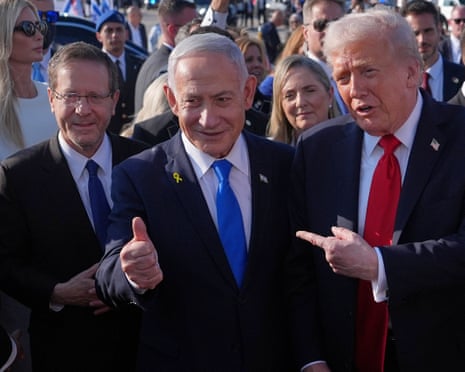
The Israeli settlement expansion in the West Bank has accelerated dramatically under Netanyahu's current government, with construction projects advancing at unprecedented rates in territory considered occupied under international law. Beyond physical infrastructure, the government has implemented sweeping restrictions on international engagement with Palestinian areas. Numerous international humanitarian and non-governmental organizations have been banned from operating in Palestinian territories, severely limiting access to medical care, food assistance, and other vital services for millions of Palestinians.
The military campaign in Gaza, initiated following Hamas's devastating attack on October 7, 2023, that killed approximately 1,200 Israelis, has resulted in catastrophic humanitarian consequences. Gaza destruction and casualties have mounted to staggering levels, with independent researchers estimating that more than 10% of Gaza's entire population has been killed in the subsequent military operations. The strip has been systematically flattened through sustained bombardment and military operations, destroying infrastructure, homes, hospitals, and schools across the territory.
International bodies have taken the unprecedented step of formally investigating whether Israel's actions in Gaza constitute genocide. The United Nations has issued declarations labeling the campaign a genocide, while multiple human rights organizations have documented patterns of indiscriminate civilian targeting and collective punishment. These findings have isolated Israel diplomatically and intensified global criticism of Netanyahu's military strategy and governance approach.
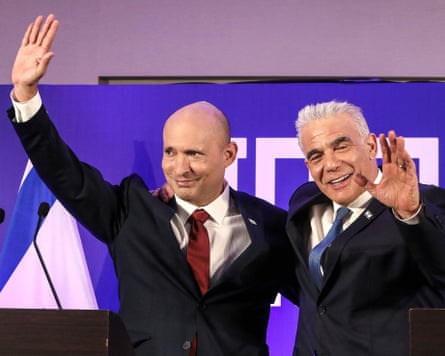
Netanyahu corruption charges add another layer of complexity to the political crisis. The Prime Minister remains on trial for three separate counts of corruption, including bribery, fraud, and breach of trust allegations. These legal proceedings have consumed significant political oxygen and damaged his public standing, though his core supporters remain largely loyal. The trials have been ongoing for several years, with proceedings slow-moving through Israel's judicial system.
Public opinion polling shows the political ground beneath Netanyahu's feet continues to shift. Israeli election polls reveal tightening races and declining support for his coalition parties, with many Israelis expressing dissatisfaction with the government's handling of both the Gaza conflict and domestic economic issues. The polling suggests that new elections could produce a very different parliamentary composition, though predicting exact outcomes remains challenging given the fragmented nature of Israeli politics.
The coming months will prove critically important in determining Israel's political future. Whether Netanyahu can negotiate a coalition that survives, or whether new elections will fundamentally alter the composition of government, remains uncertain. The political realignment currently underway could reshape Israel's approach to Palestinian affairs, international relations, and domestic governance for years to come.

Coalition stability has emerged as the central challenge facing Israeli governance. The far-right parties within the coalition have pursued increasingly radical agendas that have alienated even some conservative supporters. Budget disputes, ideological differences, and competition for ministerial positions have created constant friction within the government structure, making consensus-building nearly impossible on major policy decisions.
The potential for new elections has energized opposition parties, who see an opportunity to challenge Netanyahu's dominance and offer alternative visions for Israel's future. These opposition parties represent a broader spectrum of Israeli society, including those critical of settlement expansion, the Gaza campaign, and Netanyahu's judicial troubles. Their campaigns have begun emphasizing themes of national unity, economic reform, and de-escalation of conflicts with Palestinian authorities.
As Israel's political landscape continues its turbulent evolution, the fundamental questions about Israeli identity, borders, security, and international standing remain unresolved. Whether new elections will produce meaningful policy changes or simply reshuffle existing political actors remains to be seen. The structural challenges facing Israeli governance—managing occupation of Palestinian territories, balancing security concerns with humanitarian obligations, and maintaining domestic social cohesion—will persist regardless of which parties control parliament.

The international community watches closely as Israel navigates this political transition. Foreign governments, particularly Israel's principal allies, have expressed concern about stability and the direction of Israeli policy. The outcomes of upcoming parliamentary elections could significantly influence Israel's diplomatic relationships and its position in regional geopolitics. Partners and adversaries alike are calibrating their strategies based on predictions about potential government formations.
Netanyahu's political survival, though uncertain, remains possible if he can negotiate new coalition arrangements or if his party performs unexpectedly well in elections. His political skills have enabled comebacks in the past, and his base of support remains substantial among certain Israeli demographics. However, the accumulation of challenges—legal troubles, coalition collapse, public dissatisfaction, and international pressure—creates unprecedented obstacles to his continued governance.
Source: The Guardian


