
NBA Stars' Quirky Superstitions Revealed

Discover the bizarre pre-game rituals and superstitions that NBA players swear by, from lucky socks to unusual daily habits that fuel their success.
Professional athletes dedicate thousands of hours to perfecting their craft, conditioning their bodies, and sharpening their skills. Yet despite this intense focus on physical and mental preparation, many of the world's most elite performers turn to unconventional methods to secure competitive advantages. From ritualistic behavior to seemingly irrational practices, NBA superstitions represent a fascinating intersection of psychology, tradition, and the human desire to control outcomes in high-pressure situations.
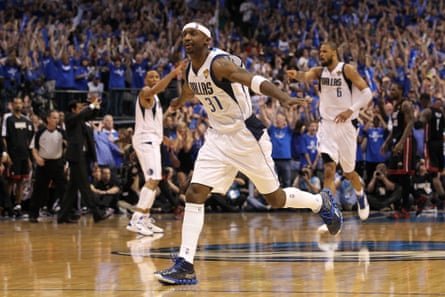
The origins of athletic superstitions often trace back to pivotal moments in athletes' careers, creating powerful mental associations between specific actions and successful outcomes. For Jason Terry, a legendary guard who would go on to play 19 seasons in the NBA, the foundation of his superstitious beliefs was laid during a single transformative night in 1997. As Terry faced the most important college basketball game of his young life, he and his teammate Mike Bibby found themselves wrestling with pre-game anxiety in their shared hotel room before Arizona's NCAA national championship matchup against the University of Kentucky.
"Mike Bibby and I were anxious for the game," Terry recalls with clarity about that pivotal evening. "So, we both put our full uniforms on – socks, everything. And we slept in them. The next day, we ended up winning the national championship. After that, I was like, 'OK, I think I'm superstitious and I need to keep this thing going.'" That single night established a pattern that would influence Terry's approach to competition for decades, demonstrating how deeply ingrained pre-game rituals can become in an athlete's psychology.

The power of superstition in professional sports extends far beyond simple folklore or entertainment value. Sports psychologists have long recognized that while superstitions may not have direct causal effects on athletic performance, they can significantly influence an athlete's confidence, focus, and mental state before competition. When players believe that a particular ritual increases their chances of success, that belief itself can translate into improved concentration and reduced anxiety—tangible psychological factors that do affect performance. This phenomenon, known as the placebo effect in sports psychology, demonstrates that the mental component of athletics is just as critical as physical preparation.
Jason Terry's commitment to his superstitious practices became legendary throughout his NBA career. Beyond the initial lucky sock ritual from his college championship night, Terry developed an elaborate system of pre-game behaviors that he maintained with remarkable consistency. His devotion to these practices reflected a broader pattern seen across professional basketball, where players from all backgrounds and experience levels have developed their own unique superstitious behaviors. The fact that such practices persist among the most successful athletes in the world suggests that many players find genuine psychological value in maintaining these routines.
NBA players have demonstrated creativity in developing their personal game-day superstitions, with practices ranging from the peculiar to the extreme. Some athletes engage in specific dietary rituals, consuming the same meal before every game regardless of preference. Others develop elaborate routines involving particular articles of clothing, music selections, or entertainment consumption patterns. The diversity of these superstitions highlights how personal and idiosyncratic such beliefs can be, with each athlete developing practices that align with their individual psychology and previous experiences.
One particularly intriguing category of NBA player superstitions involves entertainment and media consumption. Some professional athletes have reported watching specific television shows or movies before games, believing that these activities positively influence their subsequent performance. The mention of Family Guy viewings in the context of NBA superstitions underscores how athletes may associate seemingly random activities with positive outcomes. What matters most is not the objective relationship between the activity and performance, but rather the athlete's subjective belief in that connection and the resulting mental state it produces.
The extremes to which some players take their superstitious practices reveal the depth of belief underlying these behaviors. Reports of athletes taking multiple showers in a single day, sometimes five or more, demonstrate how pre-game preparation rituals can become quite elaborate and time-consuming. These practices raise interesting questions about the intersection of superstition, obsessive behavior, and athletic dedication. While such extreme routines might seem excessive to outsiders, they reflect the intense pressure professional athletes feel to perform at the highest levels and their willingness to employ any strategy they believe might provide an edge.
The psychological mechanisms underlying athletic superstitions are complex and multifaceted. Behavioral psychologists point out that once a superstitious belief becomes established through repeated reinforcement, it can be remarkably resistant to extinction. When an athlete performs their superstitious ritual and subsequently plays well, the positive outcome reinforces the belief in the ritual's efficacy. Even occasional random successes following the ritual can maintain belief through variable reinforcement schedules, the same psychological principle that makes gambling so addictive.
Club psychologists and sports performance coaches in the NBA have become increasingly interested in understanding and working with player superstitions rather than attempting to eliminate them. Rather than dismissing these practices as irrational, many professionals recognize that superstitions serve important psychological functions. They provide a sense of control in inherently unpredictable situations, reduce anxiety through familiar routines, and create mental frameworks that help athletes enter optimal performance states.
The prevalence of superstitious behavior among elite NBA athletes suggests that such practices offer genuine psychological benefits, even if the mechanisms are not purely physiological. Athletes who engage in carefully developed game day rituals often report feeling more confident, focused, and prepared when they follow their established routines. The predictability and control provided by these practices can be particularly valuable in high-pressure competitive environments where so many factors remain beyond an athlete's control.
Looking across the landscape of professional basketball, it becomes clear that superstitions are not aberrations but rather integral aspects of how many athletes approach their work. From Jason Terry's enduring commitment to his college championship ritual to the various elaborate practices developed by contemporary players, superstitions in basketball represent a deeply human response to the demands of elite competition. These practices acknowledge that athletic success is not determined by physical factors alone, but also by mental preparation, confidence, and the psychological state athletes bring to competition.
The evolution of NBA superstitions over time reveals how these practices adapt and persist across generations. Younger players often develop their own unique rituals while sometimes learning about or adopting practices from veteran teammates or players they admire. This transmission of superstitious knowledge throughout the league suggests that such practices serve important social and cultural functions within professional basketball communities, creating shared traditions and bonding experiences among players who understand the pressures of elite competition.
Understanding the world of NBA superstitions offers valuable insights into how athletes navigate the psychological demands of professional sports. Whether through lucky clothing, entertainment rituals, extreme hygiene practices, or any of the countless other superstitious behaviors documented among players, these practices reveal the intricate relationship between mind and performance in professional athletics. As long as players compete at the highest levels, superstitions will likely remain a fixture of basketball culture, serving as tangible expressions of athletes' desire to control outcomes and optimize their performance in pursuit of excellence.
Source: The Guardian


