
Navigating the Volatile Oil Market: Energy Traders Adapt to Geopolitical Turmoil

Explore how energy traders are racing to stay ahead of rapidly changing oil prices driven by Middle East conflicts and geopolitical tensions, exposing them to heavy losses and rumors of insider trading.
In the wake of the escalating tensions in the Middle East, energy traders across the world's financial hubs have found themselves in a whirlwind of volatility, racing to keep pace with the rapidly changing oil and gas prices. The weekend that saw US-Israeli drones strike targets in Tehran marked the beginning of a market nightmare made real: the unprecedented shutdown of the vital trade route through the Strait of Hormuz.
As traders returned to their desks on that fateful Monday morning, they were met with a stark reality: oil and gas prices had spiked to levels not seen in years, exposing them to the risk of heavy losses and fueling rumors of insider trading at the highest levels of the industry.
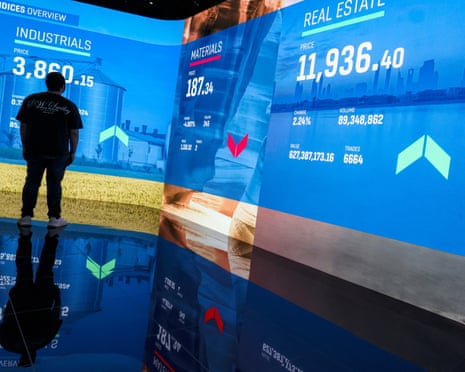
The current market volatility has put energy traders in a precarious position, forcing them to constantly reevaluate their strategies and adapt to the rapidly changing landscape. Geopolitical tensions and the threat of disruption to critical trade routes have become the new normal, pushing traders to be more vigilant and agile than ever before.
According to industry experts, the energy trading landscape has transformed into a high-stakes game of fear and headlines, where traders must not only keep a keen eye on fundamental market data but also closely monitor the ever-evolving political and military developments in the Middle East. The ability to quickly respond to these shifting dynamics has become the key to survival in this volatile market.
The ripple effects of the Strait of Hormuz shutdown have been felt far and wide, with traders across the globe scrambling to adjust their positions and mitigate the risks posed by the disruption. Commodity prices, supply chains, and even the broader financial markets have been impacted, underscoring the interconnected nature of the global energy landscape.
As the situation in the Middle East remains tense and fluid, energy traders are faced with the daunting task of navigating this volatile market, where headlines and rumors can have a profound impact on prices and trading strategies. The ability to stay ahead of the curve and anticipate the next twist and turn in this geopolitical drama has become the ultimate test for these seasoned professionals.
In this high-stakes environment, the line between success and failure has never been thinner. Energy traders must not only possess a deep understanding of the fundamental drivers of the market but also a keen instinct for the ever-changing political and military landscape. As the world watches the unfolding events in the Middle East with bated breath, these traders find themselves at the epicenter of a market that is, quite literally, on the edge of a knife.


