
NASA's Artemis II Moon Mission: Balancing Risk and Expectations

Exploring the risks and challenges of NASA's first crewed lunar mission in over 50 years, as the agency navigates transparency and public expectations.
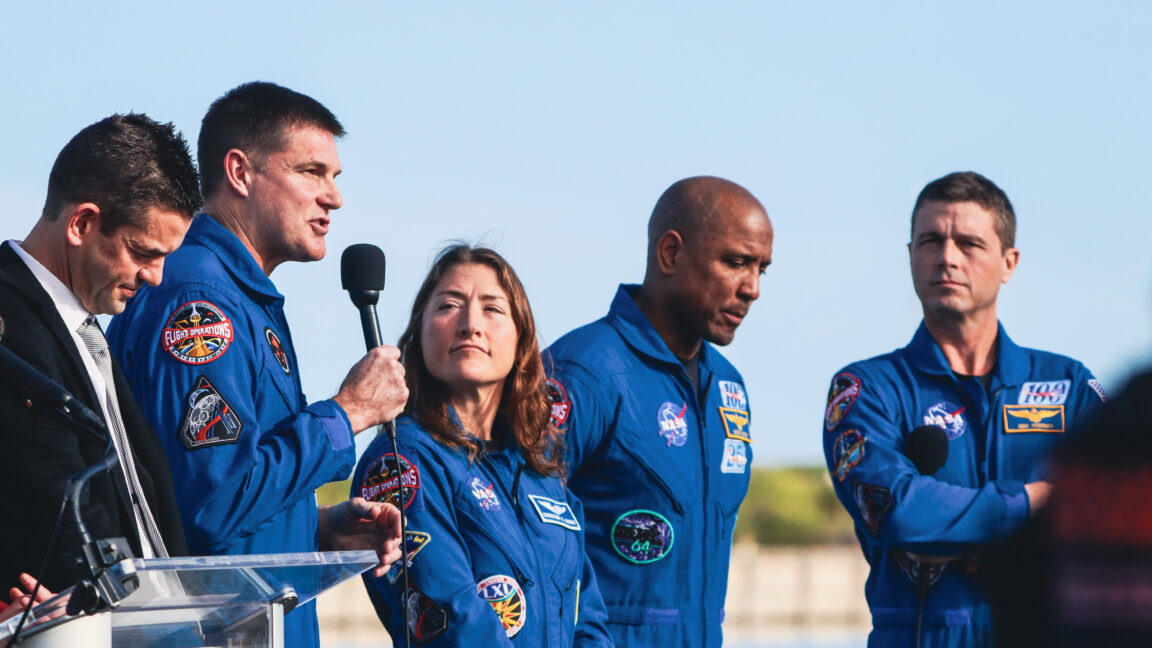
NASA officials sidestepped questions on Artemis II risks during a recent press conference, and there's a good reason why. In an open society, it's vital to set clear expectations for any hazardous venture like spaceflight, especially for the astronauts making the journey, the agency's workforce, policymakers, and the public funding the endeavor.
Artemis II will be the first mission since 1972 to fly humans to the vicinity of the Moon, a far more perilous path than the relatively short trip to the International Space Station. NASA must balance transparency about the risks with maintaining public confidence and momentum for the ambitious Artemis program.
Reporters' questions on the risks were certainly valid and appropriate. After all, this mission will push the boundaries of human spaceflight beyond low-Earth orbit for the first time in over five decades. The agency must be prepared to address the unique challenges and safety concerns associated with this historic journey.
At the same time, NASA is keenly aware of the political and public relations implications of how it communicates about the Artemis II mission. The Artemis program has enjoyed broad bipartisan support, and the agency must maintain that goodwill as it moves toward the first crewed lunar landing in over 50 years.
Striking the right balance between transparency and managing expectations is crucial. NASA must be forthcoming about the risks and challenges the Artemis II crew will face, while also reinforcing the rigorous safety protocols, redundancies, and contingency planning in place to mitigate those risks.
By providing a clear-eyed assessment of the mission's hazards, coupled with a steadfast commitment to astronaut safety and mission success, NASA can maintain public trust and excitement for this historic undertaking. The agency's ability to navigate this delicate balance will be key to the long-term sustainability of the Artemis program.
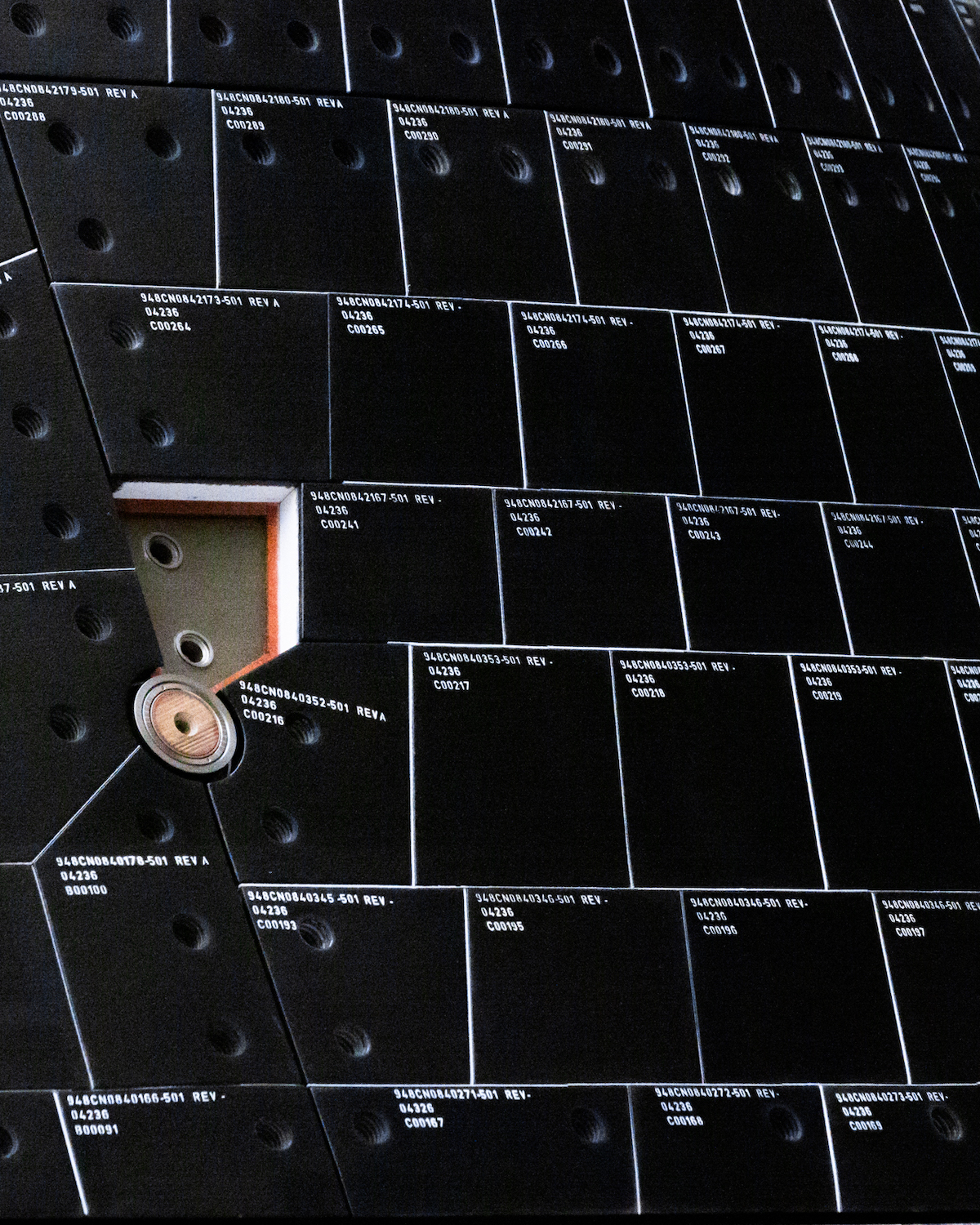
As the world watches with bated breath, NASA must demonstrate its mastery of both the technical and the public relations challenges inherent in sending humans back to the Moon. The stakes are high, but the potential rewards – in terms of scientific discoveries, technological advancements, and the inspiration of a new generation of space explorers – make the Artemis II mission a vital step forward in humanity's journey of exploration.
Source: Ars Technica

