
NASA Opens Bidding for Jet Propulsion Lab Management

NASA seeks new operators for the Jet Propulsion Laboratory as Caltech's contract expires in 2028. Explore what this transition means for space exploration.
In a significant move that signals potential shifts in space exploration leadership, NASA has announced an open bidding process for the management and operation of the prestigious Jet Propulsion Laboratory (JPL). This landmark decision comes as the agency prepares for the eventual expiration of Caltech's longstanding operational contract, which currently runs through 2028. The announcement represents a rare opportunity for organizations to compete for stewardship of one of the world's most advanced research institutions.
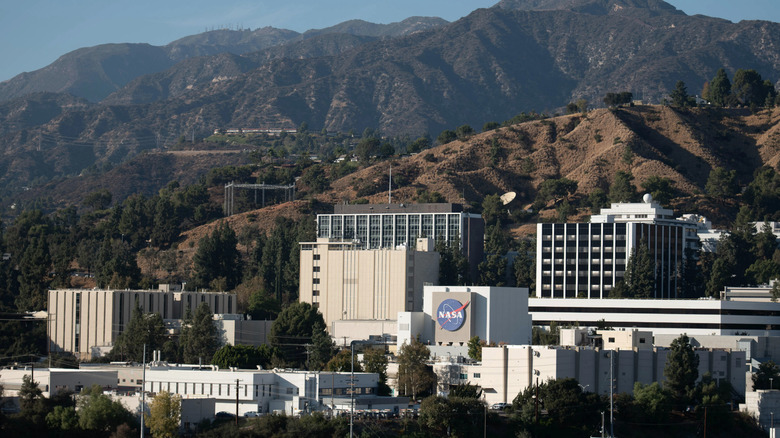
The Jet Propulsion Laboratory has long served as a cornerstone of American space exploration, operating under Caltech's management for decades. Located in Pasadena, California, the facility has been instrumental in launching and managing numerous groundbreaking missions, including Mars rovers, planetary probes, and deep-space explorers. The laboratory's expertise spans robotics, automation, communications systems, and scientific instrumentation that has fundamentally advanced humanity's understanding of the cosmos.
Caltech's involvement with JPL has been transformative, establishing the institution as a world-class research and development center. The university's academic rigor and commitment to innovation have shaped the laboratory's culture and operational excellence. However, NASA's decision to open bidding reflects the agency's interest in evaluating whether other qualified organizations might bring fresh perspectives or enhanced capabilities to JPL's future operations and mission objectives.
The timeline for this transition is carefully structured, with the contract expiration in 2028 providing approximately four years for NASA to evaluate proposals, make its selection, and ensure a smooth handover of operations if necessary. This extended timeline allows for thorough vetting of competing bids and minimizes disruption to ongoing missions and research initiatives. NASA has emphasized that the agency's primary concern remains maintaining the laboratory's scientific excellence and operational continuity throughout any transition period.
Organizations interested in operating JPL management contracts must demonstrate substantial capabilities in several critical areas. Potential bidders need proven expertise in managing complex engineering projects, operating advanced research facilities, maintaining security protocols for sensitive aerospace work, and fostering innovation in space technology. The requirements are stringent, effectively limiting serious contenders to large research institutions, aerospace contractors, or consortiums with significant resources and relevant experience.
The bidding process itself represents a departure from decades of precedent, where Caltech's continued management was often considered automatic renewal. This openness reflects broader trends within government procurement practices and NASA's commitment to competitive evaluation processes. By opening the bidding, NASA signals that institutional arrangements, even highly successful ones, remain subject to periodic review and competitive assessment.
Caltech's stewardship of JPL has produced remarkable achievements that underscore the institution's qualifications. The laboratory has successfully deployed the Curiosity and Perseverance rovers to Mars, operated the Voyager spacecraft for over four decades, managed the Cassini-Huygens mission to Saturn, and contributed significantly to the James Webb Space Telescope project. These accomplishments reflect not just technical capability but also the organizational culture and institutional knowledge that Caltech has cultivated at the facility.
Beyond Mars rovers, JPL's portfolio encompasses diverse mission types and scientific objectives. The laboratory manages Earth observation satellites that monitor climate change and environmental conditions, operates deep space probes exploring the outer planets, and develops advanced technologies for future human and robotic exploration. This breadth of responsibility demonstrates why JPL operational contracts are among the most prestigious and complex in the aerospace industry.
The decision to rebid the JPL contract has sparked discussion within aerospace and academic circles about what criteria NASA will prioritize in its evaluation. Some analysts emphasize the importance of continuity and institutional knowledge, suggesting that Caltech's proven track record should weigh heavily. Others argue that competition could stimulate innovation and efficiency improvements, potentially bringing new management approaches or technological innovations to laboratory operations.
Several organizations have been mentioned as potential candidates for assuming JPL operations. These include other major research institutions, established aerospace contractors with significant government experience, and possibly even international partners or consortiums. Each potential bidder brings different strengths, whether in project management, technical innovation, cost efficiency, or specialized expertise in particular mission domains.
The financial implications of this procurement are substantial. Operating budgets for NASA space missions managed through JPL run into the billions of dollars annually. The organization selected to run the laboratory will have responsibility for managing these significant resources while maintaining rigorous standards for scientific quality and mission success. Budget expertise and cost management capabilities will undoubtedly factor into NASA's evaluation criteria.
Employee considerations also factor into this transition planning. JPL employs thousands of scientists, engineers, technicians, and support staff who have built their careers at the institution. Any change in operational management raises questions about employment stability, benefits continuity, and organizational culture. Both NASA and Caltech have indicated commitment to minimizing disruption to the workforce and maintaining the laboratory's ability to attract and retain top talent in competitive fields.
The broader context includes NASA's evolving strategic priorities and budgetary constraints. As the agency balances multiple mission objectives—from lunar exploration to Mars initiatives to Earth science—efficient management of research facilities becomes increasingly important. The JPL rebidding process should be understood partly as NASA's effort to ensure its major facilities operate with maximum effectiveness and alignment with current agency priorities.
International dimensions also merit consideration. JPL collaborates extensively with space agencies and scientific institutions worldwide. Any transition in operational management must preserve and potentially enhance these critical partnerships. Foreign governments and international space agencies will likely scrutinize the bidding process to ensure continuity in collaborative missions and data-sharing arrangements.
Looking ahead, the coming years will reveal significant developments in this procurement process. NASA will likely release detailed request for proposals (RFPs) that specify precisely what capabilities and commitments bidders must demonstrate. The evaluation period will involve technical reviews, financial assessments, and organizational capability evaluations. Ultimately, NASA's decision will have profound implications for space exploration leadership and the future direction of American robotic space missions.
Whether Caltech successfully retains management of JPL or whether another organization assumes this responsibility, the laboratory's scientific mission and commitment to excellence must remain paramount. The stakes are high—not just in terms of government contracts and institutional prestige, but in humanity's quest to explore space and expand scientific understanding of the universe.
Source: Engadget


