
MPs Launch Inquiry Into UK Trade Envoy Roles After Scandal

Cross-party parliamentary committee to examine trade envoy appointments and accountability following high-profile arrest controversy.
A significant parliamentary investigation is set to commence as Members of Parliament prepare to launch a comprehensive inquiry into the controversial role of UK trade envoys. This development comes in the wake of mounting pressure following recent high-profile incidents that have raised serious questions about the vetting, appointment, and ongoing oversight of these influential diplomatic positions. The cross-party committee's decision represents a crucial step toward addressing growing concerns about transparency and accountability within Britain's international trade apparatus.
The parliamentary inquiry will specifically focus on examining the current framework governing trade envoy appointments, including the selection criteria, background checks, and ongoing monitoring procedures. Committee members have expressed particular interest in understanding how individuals are chosen for these prestigious roles and what safeguards exist to ensure they maintain the highest standards of conduct while representing British commercial interests abroad. This investigation promises to shed light on previously opaque processes that have operated largely behind closed doors.
Trade envoys play a pivotal role in Britain's post-Brexit economic strategy, serving as crucial ambassadors for UK business interests in key markets worldwide. These positions carry significant influence and responsibility, as envoys are tasked with opening doors for British companies, facilitating major trade deals, and representing the nation's commercial reputation on the global stage. The importance of these roles has only intensified as the UK seeks to establish new trading relationships and strengthen existing partnerships following its departure from the European Union.
The cross-party committee investigation will delve deep into the accountability mechanisms currently in place for monitoring trade envoy activities and conduct. Sources close to the parliamentary process indicate that the inquiry will examine whether existing oversight procedures are sufficiently robust to identify potential issues before they escalate into public controversies. This aspect of the investigation is expected to generate significant interest, particularly given recent concerns about the effectiveness of current monitoring systems.
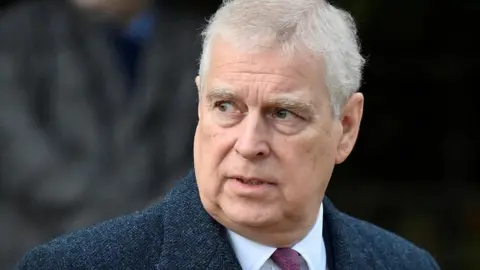
The timing of this inquiry reflects broader concerns about the intersection of business, politics, and international diplomacy in contemporary Britain. Parliamentary observers note that the investigation comes at a particularly sensitive moment for UK trade policy, as the government continues to navigate complex post-Brexit trading arrangements while simultaneously dealing with various diplomatic challenges. The committee's work will likely have far-reaching implications for how future trade envoy appointments are handled.
Committee members are expected to call for detailed testimony from senior civil servants, government ministers, and potentially former trade envoys themselves. The inquiry process will likely involve extensive document reviews, oral evidence sessions, and detailed analysis of existing policies and procedures. Parliamentary sources suggest that the investigation could take several months to complete, with interim findings potentially being released to maintain public transparency throughout the process.
The scope of the investigation extends beyond individual cases to examine systemic issues within the trade envoy system. This includes analyzing whether the current structure provides adequate support and guidance for envoys while ensuring they remain accountable to Parliament and the public. The committee will also explore whether existing contracts and terms of engagement are sufficiently clear about expectations and consequences for misconduct.
Opposition MPs have welcomed the inquiry announcement, arguing that it represents long-overdue scrutiny of an important but under-examined aspect of government operations. They have called for the investigation to be thorough and transparent, with regular updates provided to Parliament and the public. Government supporters, meanwhile, have emphasized their commitment to cooperating fully with the inquiry while defending the overall value and importance of the trade envoy program.
The investigation will also examine the broader context of how trade envoys fit within Britain's overall diplomatic and commercial strategy. This includes analyzing their relationship with traditional diplomatic channels, the Foreign Office, and the Department for International Trade. Understanding these interconnections will be crucial for the committee's assessment of whether current arrangements are optimal or require significant reform.
Legal experts anticipate that the inquiry will raise important questions about the balance between maintaining commercial confidentiality and ensuring public accountability. Trade envoys often work on sensitive commercial negotiations that require discretion, but this must be balanced against the need for appropriate oversight and transparency. The committee will need to navigate these competing demands carefully as it develops its recommendations.
The accountability framework for trade envoys has evolved significantly over recent years, but critics argue that it has not kept pace with the expanded role and influence of these positions. The parliamentary inquiry provides an opportunity to conduct a comprehensive review of these arrangements and recommend improvements where necessary. This could include enhanced reporting requirements, more rigorous selection processes, or strengthened ongoing monitoring procedures.
International comparisons may also feature prominently in the committee's work, as members examine how other countries manage similar roles and what lessons might be learned from international best practices. This comparative analysis could provide valuable insights into alternative approaches to managing the appointment and oversight of trade representatives in other democratic systems.
The inquiry's findings are expected to have significant implications for the future structure and operation of the UK's trade envoy system. Recommendations could range from minor procedural adjustments to major structural reforms, depending on what the investigation uncovers. The government has indicated its willingness to consider any reasonable recommendations that emerge from the parliamentary process.
As the investigation progresses, it will likely generate considerable media attention and public interest, particularly given the high-profile nature of the issues under examination. The committee's work represents an important exercise in parliamentary oversight and democratic accountability, demonstrating how legislative scrutiny can respond to public concerns about government operations and standards in public life.
Source: BBC News


