
Minneapolis and St. Paul Reshape Daily Life Amid ICE Crackdown

As 3,000 federal immigration agents descend on Minneapolis and St. Paul, residents adjust their daily routines to avoid detention, with community networks coordinating school pickups and documenting interactions.
Minneapolis and St. Paul, Minnesota have seen a significant shift in daily life as a result of the Trump administration's Operation Metro Surge, which has deployed around 3,000 federal immigration agents to the region. Many residents, particularly those with undocumented immigration status, have been forced to adapt their routines to avoid potential encounters with these agents.
In St. Paul, Brittany Kubricky found herself in an unfamiliar situation when she pulled into a school parking lot. Typically, she would be there simply to pick up her daughter, but today, two of her daughter's schoolmates also climbed into the backseat. Their mother had been sheltering at home for weeks, afraid of a run-in with federal immigration agents. Coordinating school pickups with friends has become a necessary survival tactic for some families.
The crackdown has had far-reaching consequences, with ICE agents detaining thousands of people, regardless of their legal status, including U.S. citizens pulled out of their cars, taken from their homes, and picked up while working. Tragically, the agents have also been responsible for the deaths of two Minneapolis residents and U.S. citizens, Renee Good and Alex Pretti, while they were monitoring Immigration and Customs Enforcement (ICE) activities.
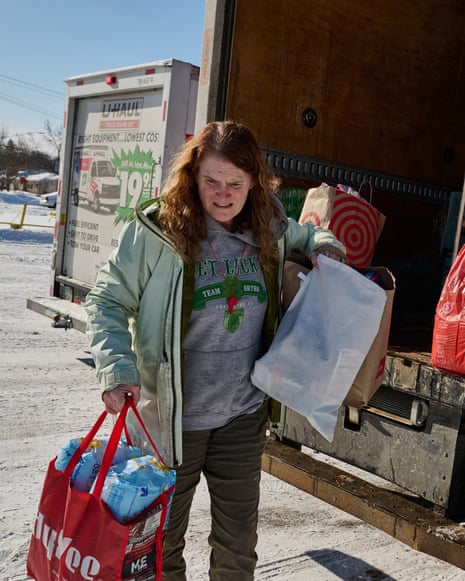
In response to this crackdown, community networks have stepped up to patrol and document the agents' interactions, providing a crucial form of accountability and support for those at risk. Additionally, protests have become a regular part of the daily rhythm in these cities, as residents seek to voice their opposition to the administration's harsh immigration policies.
The changes in daily routines extend beyond just school pickups and community patrols. Many undocumented immigrants and their families have been forced to limit their movements, avoiding public spaces and sheltering at home to minimize the risk of encountering federal agents. This has had a significant impact on their social, economic, and psychological well-being, as they grapple with the constant fear of being detained or separated from their loved ones.
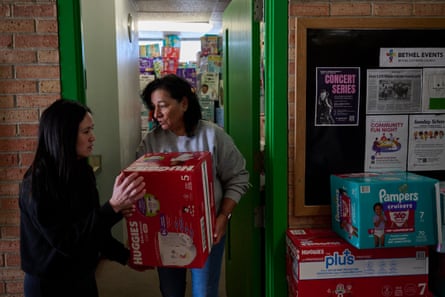
The deployment of thousands of federal immigration agents to the Minneapolis and St. Paul region has undoubtedly had a profound impact on the daily lives of its residents. From coordinated school pickups to community patrols and widespread sheltering, the community has been forced to adapt in order to navigate the new reality of increased immigration enforcement. As the situation continues to evolve, it remains to be seen how these cities will continue to respond and adapt to the ongoing challenges posed by Operation Metro Surge.
Source: The Guardian


