
Microsoft Surface Laptop for Business: Privacy Screen & Haptics

Microsoft unveils new Surface Laptop for Business featuring advanced privacy screen technology and innovative haptic feedback. Designed for corporate buyers with premium pricing.
Microsoft has officially announced its latest addition to the Surface product line, introducing the Surface Laptop for Business—a device specifically engineered to meet the demanding requirements of enterprise environments. This new offering represents a significant evolution in the company's commitment to delivering premium computing solutions tailored for corporate clientele who prioritize security, productivity, and cutting-edge features.
The privacy screen technology stands as one of the most notable features integrated into this business-focused device. This advanced display protection mechanism prevents unauthorized viewers from seeing sensitive information displayed on the screen when viewed from oblique angles. For professionals handling confidential corporate data, financial information, or proprietary materials, this feature provides an essential layer of security that traditional displays simply cannot match. The privacy screen technology works by narrowing the viewing angles of the display, ensuring that only those directly facing the screen can see its contents clearly.
Beyond security enhancements, Microsoft has incorporated what can only be described as an unconventional and intriguing addition to the laptop's input experience: haptic feedback technology. This feature represents a bold departure from standard laptop design, introducing subtle vibrations and tactile responses to user interactions. The haptic feedback system is designed to enhance user engagement by providing physical confirmation of actions, potentially improving the overall computing experience through sensory feedback mechanisms that have traditionally been reserved for gaming peripherals and mobile devices.
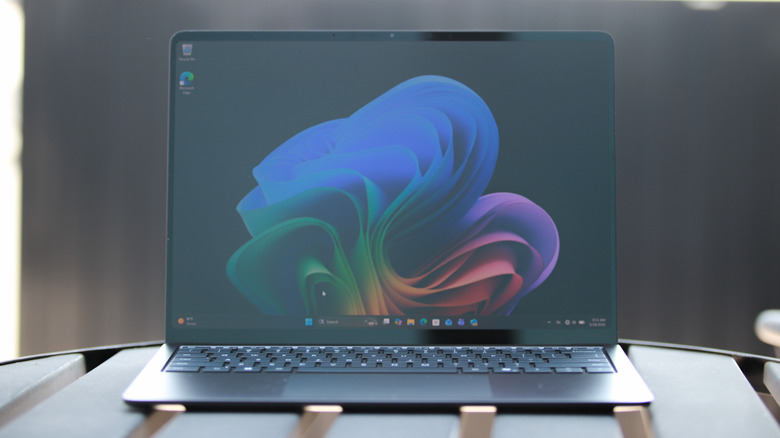
The integration of haptics into a business-grade laptop demonstrates Microsoft's forward-thinking approach to workplace technology. Rather than limiting haptic feedback to recreational applications, the company has recognized its potential to increase productivity and user satisfaction in professional environments. Users engaging with spreadsheets, documents, or other business applications can now receive tactile confirmation of their actions, creating a more immersive and responsive computing experience that extends beyond what competitors currently offer in the business laptop segment.
From a design perspective, the Surface Laptop for Business maintains the aesthetic standards that the Surface line has become known for, combining sleek, minimalist design with functional excellence. The device carries the hallmark Surface design language while incorporating the necessary features for enterprise deployment. The build quality reflects Microsoft's commitment to durability and reliability, critical factors for businesses that depend on their computing hardware for daily operations and long-term investments in technology infrastructure.
The pricing strategy for this new laptop underscores its positioning within the premium business segment. As with most Surface devices designed for enterprise use, the cost reflects the advanced features, robust security measures, and professional-grade performance specifications included in the package. While the price point may be considerably higher than consumer-grade laptops, corporate buyers typically evaluate technology investments based on total cost of ownership, security capabilities, and long-term productivity benefits rather than initial purchase price alone.
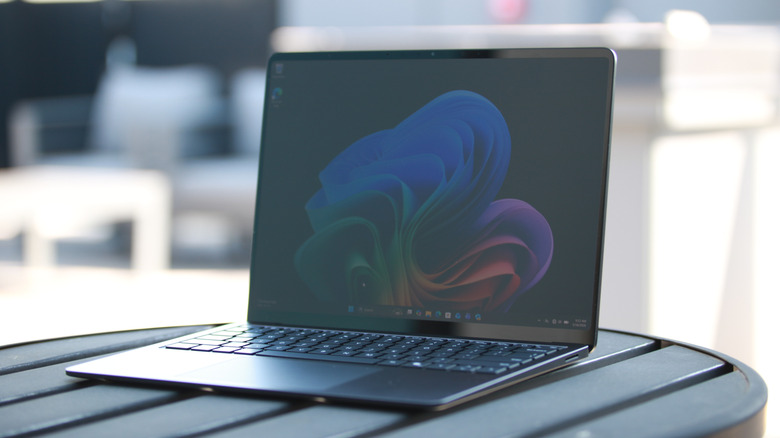
The target market for this device consists primarily of established corporations, financial institutions, government agencies, and other large organizations with significant technology procurement budgets. These organizations require laptops that exceed standard security requirements and offer features specifically designed to protect sensitive business information. The privacy screen technology particularly appeals to executives, consultants, and professionals who frequently work in shared spaces or while traveling, where screen visibility from nearby observers presents a legitimate security concern.
Microsoft's decision to incorporate haptic feedback into a business laptop also reflects broader trends in workplace technology innovation. As remote work and hybrid work models continue to dominate the corporate landscape, businesses seek tools that enhance user experience and engagement. Haptic feedback can contribute to reduced user fatigue, improved accuracy in data entry, and enhanced overall satisfaction with daily computing tasks—all factors that contribute to improved workplace productivity and employee retention.
The development of this device represents significant research and engineering investment from Microsoft's hardware division. The company has worked to ensure that the privacy screen technology does not compromise display quality, brightness, or color accuracy—critical factors for professionals who rely on visual clarity for their work. Similarly, the haptic feedback system has been carefully calibrated to provide helpful feedback without creating distracting or annoying vibrations that could impede productivity.
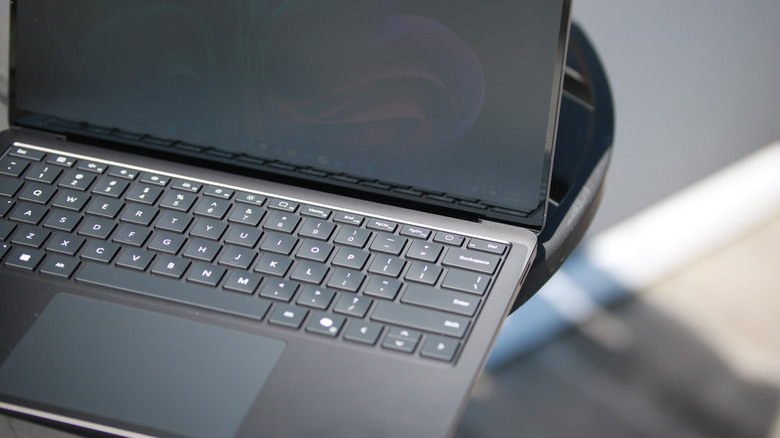
In the competitive landscape of business laptops, Microsoft faces challenges from established competitors like Dell, Lenovo, and HP, all of whom offer their own premium business-grade computing solutions. However, the Surface Laptop for Business distinguishes itself through unique feature combinations that competitors have not yet matched. The integration of privacy screen technology with haptic feedback represents a differentiation strategy that appeals to businesses seeking innovation alongside security.
The enterprise market has demonstrated consistent demand for laptops offering enhanced security features and superior build quality. Microsoft's Surface devices have built a strong reputation within corporate environments for reliability, performance, and alignment with Microsoft's broader software ecosystem, including Windows enterprise editions and Microsoft 365 productivity tools. This new business-focused laptop reinforces that positioning while introducing capabilities that address specific pain points identified by corporate customers.
Looking forward, the introduction of the Surface Laptop for Business signals Microsoft's continued commitment to the enterprise computing market. As businesses increasingly prioritize data protection, employee experience, and technological innovation, devices that combine these elements become increasingly valuable. The company's investment in developing specialized business hardware demonstrates confidence in the enterprise market and recognition that one-size-fits-all computing solutions no longer adequately serve the diverse needs of modern corporations.
The announcement of this new device will likely influence purchasing decisions across numerous organizations currently evaluating laptop refresh cycles and technology upgrades. IT departments and procurement specialists will need to evaluate whether the advanced features and security capabilities justify the premium pricing relative to alternative business laptop options. For organizations where data security ranks as a paramount concern and where employee experience significantly impacts productivity, the Surface Laptop for Business presents a compelling option that addresses multiple critical business requirements through a single integrated device.
Source: Engadget


.jpg&w=3840&q=75)