
McGuire's Rural California Push: Democrat Courts Conservative Voters

California Democratic leader Mike McGuire takes his populist message to rural, Republican-leaning communities with town halls focused on jobs, healthcare, and wildfire relief.
In the heart of California's Sierra Nevada region, a Democratic politician is undertaking an ambitious and unconventional campaign strategy: winning over rural voters in traditionally conservative strongholds. Mike McGuire, a seasoned California state lawmaker with three terms of experience and a proven track record as a former Senate leader, is taking his political message directly to communities that have consistently rejected Democratic candidates for decades. His approach represents a significant shift in how mainstream Democratic politicians engage with rural America, moving beyond traditional urban and suburban strongholds to address the specific concerns of small-town residents.
Quincy, a mountain town with a population of just 1,600 residents, exemplifies the type of community McGuire is targeting with his grassroots outreach efforts. Located deep within the towering Sierra Nevada mountain range, this forested community sits in a county that has reliably voted Republican in election after election. In fact, like nearly all of far northern California, the region hasn't sent a Democrat to Congress in nearly fifty years, making it seemingly hostile territory for any Democratic candidate or office holder. Yet McGuire's presence in such locations demonstrates a calculated effort to shift political perceptions and build new coalitions in traditionally Republican areas.
During a Tuesday evening in mid-April, McGuire held court inside a local veterans hall in Quincy, energizing a gathered crowd of approximately forty residents with the passionate intensity of a baptist preacher delivering a sermon. His animated delivery and personal engagement with the audience revealed a politician who understands the power of direct, face-to-face communication with voters. The setting itself—a veterans hall in a small mountain town—underscores McGuire's willingness to meet rural constituents on their own terms, in spaces that hold cultural and community significance for longtime residents.

McGuire's populist political pitch centers on three core issues that resonate deeply with rural Californians: economic opportunity through job creation, access to quality healthcare services, and relief from the devastating wildfire costs that have bankrupted many families and small businesses in northern California. These aren't abstract policy positions but tangible concerns that affect the daily lives of residents in communities like Quincy. By focusing on these bread-and-butter issues rather than culture war topics, McGuire is attempting to find common ground with voters who might otherwise dismiss Democratic messaging as out of touch with rural priorities.
The job creation issue holds particular weight in rural northern California, where traditional industries like logging and mining have declined significantly over the past few decades, leaving communities searching for new economic foundations. Healthcare accessibility represents another critical challenge, as rural areas struggle with doctor shortages, hospital closures, and limited access to specialists. For residents dealing with chronic health conditions or managing family healthcare needs, the absence of adequate medical facilities is a daily frustration that transcends traditional political divisions.
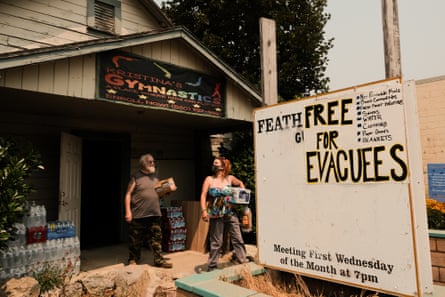
The wildfire crisis, however, may be McGuire's most powerful issue in this region. Northern California has experienced some of the most destructive wildfires in American history over the past decade, with fires like the Dixie Fire and others leaving trails of destruction across entire counties. Families have lost homes, businesses have burned to the ground, and entire communities have been displaced. The financial toll of wildfire recovery and prevention has strained local budgets and personal finances alike, creating a shared sense of vulnerability that crosses partisan lines.
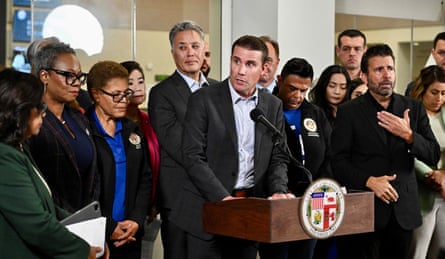
McGuire's strategy of conducting town halls in red territory represents a departure from conventional Democratic campaign wisdom, which typically focuses resources on competitive districts and Democratic-leaning areas where return on investment is more predictable. His willingness to spend political capital in regions where Democrats rarely win reflects either remarkable confidence in his message or a longer-term vision of reshaping California's political map. By establishing relationships and demonstrating genuine engagement with rural communities now, McGuire may be laying groundwork for future Democratic gains in regions that have been written off by national party strategists.
The format of these town halls emphasizes direct engagement over staged political theater. Rather than giving a speech and departing, McGuire stays to listen to resident concerns, answer questions, and discuss how state government can better serve rural communities. This approach acknowledges that rural voters often feel neglected by state politicians who parachute into their communities only during election season. By maintaining a visible presence and demonstrating attentiveness to local needs, McGuire is attempting to build the kind of personal political capital that transcends partisan affiliation.
His background as a former Senate leader gives McGuire significant credibility when discussing how state government functions and what leverage exists to address local problems. Constituents can see that he holds actual power within the Democratic-controlled Legislature, meaning his promises to pursue particular policies or fund specific initiatives carry real weight. This contrasts with candidates for office who must explain what they might do if elected; McGuire can point to actual legislative accomplishments and ongoing initiatives.
The broader significance of McGuire's rural outreach extends beyond any single election or political position. It suggests that some Democratic leaders are recognizing the party's weakness in rural America and attempting to develop new strategies for engagement. Rather than simply accepting that rural areas will vote Republican, politicians like McGuire are testing whether targeted outreach focused on local issues can shift political dynamics. Whether this approach proves successful remains to be seen, but the very attempt represents a meaningful shift in Democratic strategy.
For rural communities, the arrival of prominent state Democrats with substantive policy proposals offers something they've often lacked: attention and resources from state government. Many rural areas have experienced decades of relative neglect, with population decline, business closures, and deteriorating infrastructure becoming normalized features of daily life. When a powerful state leader shows up to listen to concerns and discuss solutions, it can feel significant even if tangible changes don't immediately follow.
McGuire's message also reflects an understanding that rural voters aren't monolithic or irredeemably Republican. While these communities do lean conservative, they contain pockets of Democratic voters, independent voters open to persuasion, and longtime Republicans who feel disconnected from their party on specific issues. By speaking directly to bread-and-butter economic concerns rather than attempting to change rural voters' social values or cultural positions, Democrats like McGuire may find more receptive audiences than previous outreach efforts achieved.
The effectiveness of McGuire's rural voter outreach campaign will ultimately be measured by whether it translates into changed voting patterns, increased voter turnout among supportive rural demographics, or successful recruitment of candidates who can compete effectively in rural districts. The initial steps—building relationships, demonstrating attentiveness to local concerns, and articulating how state government can help—represent necessary groundwork for any political realignment. Whether this effort produces the desired political results remains an open question, but McGuire's willingness to invest time and energy in rural communities suggests serious commitment to challenging traditional political boundaries in California.


