
Lyme Disease Cases Surge 20% in England

Lyme disease cases in England jump over 20% year-on-year. Pharmaceutical firms race to develop new vaccines and tick treatments.
Public health authorities across England have sounded an alarm over a significant uptick in Lyme disease cases, as the tick-borne illness continues to spread throughout the country. The latest figures reveal a troubling trend that has prompted urgent action from both government health agencies and private pharmaceutical companies seeking to develop innovative prevention and treatment strategies. This growing health crisis has become a focal point for medical researchers and public health officials alike, who are intensifying their efforts to combat the expanding epidemic.
According to comprehensive data released by the UK Health Security Agency (UKHSA) as part of its comprehensive One Health vector-borne disease surveillance report, laboratory-confirmed cases of Lyme disease reached 1,168 in 2025, representing a dramatic surge from the 959 cases documented in 2024. This represents an increase of approximately 22 percent, marking one of the most significant year-over-year jumps in recent memory. The escalating numbers have raised concerns among epidemiologists and public health specialists about the trajectory of the disease and its potential impact on the broader population across England.
While the 2025 figures represent a notable increase from the previous year, health experts note that the current case numbers are comparable to those recorded in 2023, when there were 1,151 confirmed cases documented. This pattern suggests a cyclical or fluctuating trend in disease transmission rates, though the overall baseline appears to be remaining elevated compared to historical averages from earlier in the decade. The consistency of high case numbers across consecutive years underscores the persistent nature of the threat posed by Lyme disease to the English population.
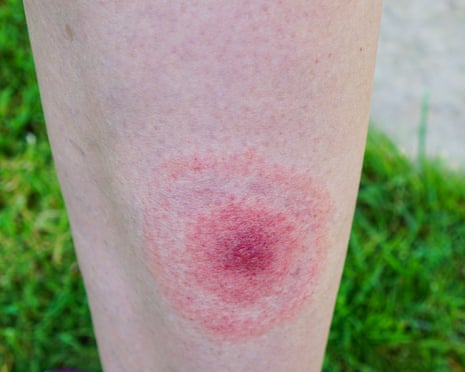
The resurgence in Lyme disease cases in England has galvanized the pharmaceutical industry to accelerate development programs focused on creating effective vaccines against the illness. Leading medication manufacturers are investing substantial resources into research and development initiatives aimed at producing safe and efficacious immunizations that could provide population-level protection against infection. These vaccine development programs represent a critical frontier in combating what many experts now regard as an emerging public health crisis requiring immediate intervention and sustained attention.
In addition to vaccine research, pharmaceutical companies are simultaneously pursuing the development of anti-tick treatments designed to reduce transmission risk by preventing tick bites or killing ticks that may carry the spirochete bacteria responsible for Lyme disease. These complementary approaches reflect a comprehensive strategy to address the disease from multiple angles, targeting both the vector that transmits the infection and the human immune system's ability to resist it. The multi-pronged approach demonstrates the complexity of addressing a vector-borne disease that requires interventions at multiple biological and epidemiological levels.
The growing concern over the spread of tick-borne illness has prompted intensified surveillance and monitoring efforts by the UKHSA and other public health institutions. These agencies are implementing enhanced systems to track disease incidence, identify geographic hotspots where transmission rates are highest, and monitor emerging patterns that might suggest changes in tick population dynamics or pathogen prevalence. The data collected through these surveillance systems provides crucial intelligence for public health decision-makers and helps guide resource allocation toward the communities most heavily affected by the disease.
Environmental and ecological factors are believed to play a significant role in the rising incidence of Lyme disease across England. Warming temperatures, changes in land use patterns, and shifts in wildlife populations have all been identified as potential contributors to the expansion of tick habitats and the increased likelihood of human-tick contact in previously low-risk areas. Climate change and environmental transformation are fundamentally altering the epidemiology of vector-borne diseases, creating conditions that favor the proliferation of disease-carrying arthropods and expand their geographic range into new territories.
The spread of Lyme disease has significant implications not only for individual patient health outcomes but also for healthcare system resource allocation and public health policy formulation. Healthcare providers throughout England are increasingly encountering Lyme disease cases and must maintain clinical vigilance to ensure early diagnosis and appropriate antibiotic treatment, which remains the most effective intervention for uncomplicated infections. The burden on diagnostic laboratories and clinical services has grown proportionally with case numbers, requiring enhanced capacity and specialized expertise.
Public health experts emphasize the importance of personal preventive measures in reducing individual risk of tick exposure and Lyme disease infection. Recommendations include wearing protective clothing in tick-prone environments, using insect repellents containing DEET or permethrin, performing thorough body checks after outdoor activities, and promptly removing any attached ticks using proper extraction techniques. These behavioral interventions remain essential components of a comprehensive approach to risk reduction, particularly as vaccine development timelines extend into future years.
The pharmaceutical industry's commitment to developing new therapeutic and preventive options reflects the significant medical and commercial potential of addressing a disease that now affects thousands of individuals annually across England. Investment in research and development has accelerated markedly in response to the demonstrated and growing public health burden, with multiple companies pursuing parallel development programs that offer the potential for multiple therapeutic options entering the market over the coming years. This competitive landscape in vaccine and drug development may ultimately benefit patients through innovation and the availability of diverse treatment approaches.
As Lyme disease cases continue to rise and attract greater attention from both medical professionals and the general public, the importance of continued surveillance, research investment, and public health communication has never been more apparent. The collaborative efforts between government agencies, pharmaceutical manufacturers, academic institutions, and healthcare providers will be essential to reversing current trends and protecting the health of the English population against this increasingly prevalent tick-borne infection. Only through sustained commitment and comprehensive action across multiple sectors can the trajectory of this disease be effectively modified.
Source: The Guardian


