
London Underground Strikes May Be Averted as Union Seeks Talks

RMT union signals willingness to negotiate over planned London Underground strikes scheduled for next Tuesday and Thursday, offering hope for resolution.
The prospect of crippling London Underground strikes next week may not be inevitable, as sources close to the negotiations revealed that the RMT union has begun exploring the possibility of resuming dialogue with Transport for London management. The planned industrial action, which was set to bring significant travel disruption to the capital, has prompted both sides to reconsider their positions amid mounting pressure from commuters and city officials concerned about the economic impact on London's bustling transport network.
According to multiple sources familiar with the situation, the RMT has made preliminary moves toward reopening discussions with London Underground management in what could represent a significant breakthrough in the ongoing labor dispute. The union members, representing nearly half of the capital's Tube drivers, had been scheduled to conduct two consecutive 24-hour strikes beginning at midday on Tuesday, with a second strike action set for Thursday of next week. These work stoppages threatened to completely shut down certain Underground lines while severely hampering service across the network until at least the weekend.
The RMT's apparent shift in approach comes at a critical juncture, as the union leadership weighs the costs and benefits of industrial action against the potential gains that could be achieved through renewed negotiations. The willingness to engage in talks represents a notable change from the union's previous hardline stance, suggesting that both parties may be recognizing the urgent need to find common ground. This development has provided a glimmer of optimism to millions of Londoners who depend on the Underground for their daily commute and to businesses throughout the city that rely on smooth transport operations.
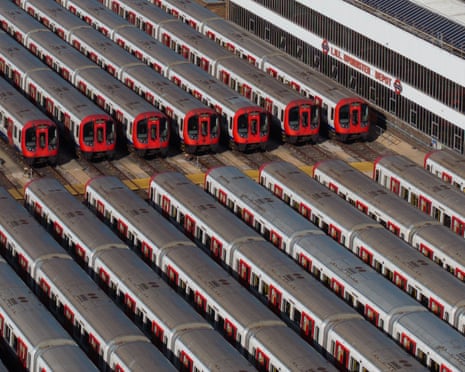
The timing of these potential talks is particularly significant, given the substantial logistical and economic implications of the proposed strikes. A complete cessation of Underground service across multiple lines would force commuters to seek alternative transportation methods, including buses, taxis, and private vehicles, creating widespread congestion throughout London and potentially costing the city's economy millions of pounds in lost productivity. The secondary effects of such strikes would extend beyond commuters, affecting tourists, retail businesses, offices, and virtually every sector dependent on reliable public transportation infrastructure.
Sources indicate that the RMT's recent overtures for negotiations stem from internal discussions about the feasibility of the scheduled strikes and the broader implications for union members' long-term interests. The union has historically used the threat of industrial action as a bargaining tool, and in this case, the mere announcement of strikes appears to have created sufficient pressure to prompt management reconsideration of the issues at stake. The core grievances that sparked the strike action relate to pay, working conditions, job security, and concerns about service modernization proposals that union officials argue could lead to staff reductions.
Transport for London officials have indicated their openness to meaningful dialogue, provided that discussions focus on practical solutions that address genuine concerns while maintaining the viability of the Underground's operations. The management team has stressed the importance of finding resolutions that serve both the interests of workers and the millions of passengers who depend on the service daily. This collaborative rhetoric from both parties suggests that a negotiated settlement may indeed be possible if both sides are willing to make reasonable compromises.
The broader context of these negotiations involves ongoing debates about the future of London's public transport system and the role of workers in shaping modernization efforts. The RMT has consistently argued that technological changes and efficiency improvements should not come at the expense of employment levels or working conditions for existing staff members. Union leaders have emphasized their commitment to ensuring that any reforms to the Underground maintain sufficient staffing levels to provide safe, reliable service and preserve good-quality jobs for their members.
The potential for a strike resolution appears to hinge on whether management and the union can bridge the gap between their respective positions on key issues. Both parties have indicated that they value the continuation of service and recognize the disruption that strikes cause to millions of people. The fact that preliminary discussions are reportedly underway suggests that negotiators may be preparing substantive proposals that could address the union's core concerns while respecting the operational constraints facing Transport for London.
Commuters and London business leaders have expressed cautious optimism about the possibility of strike avoidance, though many remain skeptical given the history of contentious labor negotiations in the transport sector. Previous disputes have often gone down to the wire, with strikes either being called off at the last minute following successful negotiations or proceeding as scheduled when talks reached an impasse. This historical pattern means that uncertainty will likely persist until an official announcement regarding the status of the strikes is made by union leadership.
The RMT union members who would be participating in the strikes represent a crucial component of London's transport workforce, and their role in maintaining reliable service is well-recognized across the city. Many workers have expressed frustration with compensation levels and concerns about how proposed service improvements might affect their job security and daily working conditions. The union's decision to explore negotiation options reflects both the genuine concerns of its membership and the practical recognition that sustained industrial action could ultimately prove counterproductive to achieving their objectives.
Moving forward, the next several days will be critical in determining whether the London Underground dispute can be resolved through dialogue or whether the planned strikes will proceed as scheduled. Transport for London has indicated its willingness to work around the clock on negotiations if necessary to reach an agreement. The union has similarly demonstrated flexibility by initiating contact with management, suggesting that both sides recognize the value of finding a negotiated solution rather than allowing the dispute to escalate further.
For the millions of Londoners who depend on the Underground for their daily transportation needs, the possibility of strike avoidance represents significant good news. The economic impact of a complete shutdown of major Underground lines during peak travel periods would have been substantial, affecting everything from business operations to personal schedules and commute times. The apparent willingness of both management and union leadership to engage in serious negotiations offers hope that a resolution can be achieved that respects the legitimate concerns of workers while maintaining the essential service that London's population requires.
As developments continue to unfold in the coming days leading up to the scheduled strike dates, both the RMT union and Transport for London management will need to demonstrate genuine commitment to finding common ground. The successful resolution of this dispute could set a positive precedent for handling future labor negotiations in the transport sector and demonstrate that collaborative problem-solving can prevail over confrontational approaches. All eyes will remain on the negotiating table as both sides work to avert the travel chaos that next week's strikes would otherwise cause throughout the capital.
Source: The Guardian


