
Last Australian IS-Linked Women, Children Exit Syrian Camp

Final group of Australian women and children leave al-Roj detention camp in Syria ahead of repatriation. Federal minister confirms legal consequences await returnees.
In a significant development regarding Australian nationals held in Syrian detention facilities, the final cohort of Australian women and children linked to Islamic State has reportedly departed the al-Roj camp in northeast Syria. The group, which ABC news footage suggests includes seven women and 14 children, left the facility reportedly en route to Damascus, marking a pivotal moment in Australia's ongoing repatriation process of nationals with extremist affiliations.
Federal Minister Tanya Plibersek addressed the media regarding the departure, emphasizing that those returning to Australia will face identical legal and judicial consequences as previous returnees. This statement underscores the Australian government's firm stance on accountability for nationals who became involved with the extremist organization during the Syrian conflict. The minister's comments indicate that regardless of when individuals return, the justice system will treat all cases with consistent severity and thorough investigation.
The al-Roj detention camp has long been a focal point for international scrutiny, housing thousands of individuals with connections to Islamic State operations across Syria and Iraq. The facility, located in the northeastern region of the country, has held numerous foreign nationals including children born to IS fighters and sympathizers. Conditions within the camp have been repeatedly documented by humanitarian organizations as challenging, with overcrowding and limited access to medical care remaining persistent concerns.
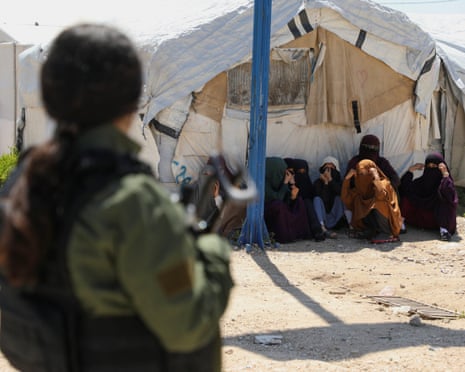
The departure of this final Australian contingent represents the culmination of months of diplomatic negotiations and repatriation discussions between Australian authorities and international partners operating in the region. ABC news crews embedded in Syria managed to capture footage of what appeared to be a minivan transporting the group from the camp premises, though official confirmation of the passenger manifest remains pending from government sources. The visual evidence provided by the news organization offers rare insight into an otherwise secretive process.
Australia's approach to repatriating nationals with extremist connections has been notably cautious, reflecting broader security concerns and domestic political sensitivities. The government has consistently maintained that returning individuals will undergo rigorous security assessments and face potential criminal prosecution if evidence supports charges related to their IS involvement. This framework applies equally to all returnees, irrespective of their gender, age at departure, or duration spent in Syrian territories.
The Syrian detention camp system has become a complex humanitarian and security challenge for the international community. Families comprising women and children separated from fighters represent a particular vulnerability within these facilities. Many of the children held in al-Roj were born to IS fighters and have never resided in their countries of citizenship, creating unique reintegration challenges upon return.
Previous Australian repatriations from Syrian camps have involved smaller groups returning over an extended period. Each return has prompted intense media scrutiny and public debate regarding national security implications, rehabilitation prospects, and appropriate criminal justice responses. The government has maintained a measured approach, allowing consular and intelligence services to conduct thorough assessments before facilitating returns. The consistency of this methodology has been crucial in maintaining public confidence in the process.
Minister Plibersek's statement regarding equal legal repercussions for all returnees addresses concerns that more recent arrivals might receive preferential treatment compared to earlier repatriates. Her emphasis on consistency in the justice system suggests that prosecutors and investigators will apply the same evidentiary standards and legal frameworks to all individuals returning from Syrian detention, regardless of when they departed Australia or how long they spent in IS-controlled territories.
The departure from al-Roj comes amid broader international discussions about responsibility for combating extremism and managing the aftermath of the Islamic State's territorial presence in Syria and Iraq. Various nations have pursued different strategies, with some facilitating repatriations while others maintain policies of non-involvement in camp management. Australia's approach has gradually shifted toward accepting certain categories of returnees, particularly women and children deemed lower security risks.
The logistics of moving detainees from al-Roj to Damascus represent a complex coordination effort involving multiple parties, including Syrian authorities, international humanitarian organizations, and diplomatic representatives. The journey itself carries security implications, requiring careful planning to ensure the safe passage of both the detainees and any personnel involved in their transport. International observers have noted improvements in coordination between various entities managing such movements.
Upon arrival in Australia, returning individuals will enter a carefully structured process involving security screening and criminal investigation. Federal police, intelligence agencies, and border security will conduct comprehensive assessments to determine appropriate charging decisions and security classifications. Those suspected of committing offenses while affiliated with IS organizations may face prosecution under relevant Australian criminal legislation addressing terrorism-related activities.
The repatriation of Australian nationals from Syrian detention camps remains controversial within domestic political discourse. Some argue that the government has a responsibility to retrieve all citizens held in the facilities, while others contend that bringing former IS affiliates back to Australia poses unacceptable security risks. Plibersek's recent comments appear designed to reassure the public that rigorous accountability mechanisms exist for managing these returnees.
International humanitarian organizations have documented ongoing concerns about conditions within Syrian detention camps, including inadequate healthcare, insufficient educational opportunities for children, and psychological trauma affecting long-term residents. These factors influence international arguments for accelerating repatriation processes, particularly for children who have had limited agency in determining their circumstances. Australia's decision to facilitate the departure of this final group acknowledges these humanitarian considerations while maintaining security-focused protocols.
The repatriation process for Syrian camp residents will likely continue as a significant policy area for Australian authorities. Questions regarding the remaining Australian nationals still within camp systems, the timeline for additional potential returns, and the specific charges or rehabilitation approaches for returning individuals remain under active government consideration. The departure of this final confirmed Australian group from al-Roj may represent a significant chapter conclusion, though related policy questions will undoubtedly persist in public and political discourse.
Source: The Guardian


